Make a hair routine that fits your life and your hair
How do you build a hair care routine that suits your hair type?

You don’t need a shelf full of products to have hair that behaves. You need a short routine that matches your hair, your scalp and your week. This page shows you how to set simple goals, pick the right wash rhythm and products, and put it all into a plan you can stick to. You’ll also find links to our deeper dives when you want more detail on texture, porosity, frizz and trims.
What does your hair need right now?
Start with what you can see and feel. Is your scalp oily by day two, or dry and tight? Are your ends rough, or does your hair frizz easily? Note your curl pattern and density—then learn the language of your strands with our simple hair type chart so you can compare advice that’s made for hair like yours.
Porosity—the way your hair absorbs water and products—also shapes your routine. If sprays seem to sit on top of your hair or your hair takes ages to dry, you might be dealing with tighter cuticles. Our guide to low porosity hair explains how that changes cleansing and conditioning.
Dermatologists recommend washing based on how quickly your hair gets oily or dirty, not by a fixed calendar, and conditioning after you wash to protect the hair shaft (American Academy of Dermatology).
Key decisions: how often, with what, and how much heat?
- Wash rhythm: If your scalp looks or feels oily, or you see flakes, wash that day; if it stays comfortable longer, space washes out. This flexible approach comes from board‑certified dermatology guidance.
- Conditioner every wash: NHS patient information notes that conditioner coats the hair shaft for a smoother surface; it also warns that tight, pulling styles can cause traction alopecia (Gloucestershire Hospitals NHS).
- Heat styling: Keep tools on the lowest effective setting, limit passes and use a product labelled as a heat protectant; many leave‑ins offer this function (AAD healthy hair tips; AAD leave‑in conditioner tips).
- Sun and weather: In the UK, clothing and a wide‑brimmed hat are first‑line protection for your scalp and parting when UV is high (Cancer Research UK).
Shampoo, conditioner and stylers: which ones suit which goals?
| Your goal | What to look for | How to use |
|---|---|---|
| Fresher scalp | Your usual shampoo, used when scalp is oily/dirty | Massage into the scalp with fingertips; rinse thoroughly. Guidance on washing for scalp health comes from dermatology advice. |
| Softer ends | Rinse‑out conditioner | Squeeze water out first; apply mids‑to‑ends; detangle gently; rinse. NHS advice supports conditioning after every wash. |
| Extra slip/heat protection | Leave‑in conditioner/heat protectant | Work through damp hair before blow‑drying or diffusing. |
| Defined curls/coils | Moisturising cream or gel | Apply in sections on wet hair; scrunch or twist, then air‑dry or diffuse. Find options chosen for UK shelves in our edit of curly hair products. |
| Smoother surface | Lightweight serum or oil | A drop on mids‑to‑ends to reduce surface frizz. If frizz is your main battle, try the steps in our guide to taming frizzy hair. |
A simple weekly plan you can actually follow
- Choose your wash days based on how your scalp behaves—mark them in your calendar.
- On wash days: shampoo the scalp; condition mids‑to‑ends; finish with a leave‑in if you heat‑style.
- Between washes: refresh with a little water plus leave‑in, or a curl cream if you’re wavy/curly; smooth flyaways with a touch of serum.
- UV days: wear a hat; if your parting or hairline is exposed, protect your skin there as well.
- Style kindly: avoid daily, tight pulling styles to protect edges (advice from Gloucestershire Hospitals NHS).
If you like to keep your fringe or ends neat between salon visits, learn safe basics in our guide to cutting your own hair.
How will you know it’s working?
Give your routine 3–4 weeks. You’re on track if:
- Your scalp feels comfortable between washes and you aren’t fighting buildup.
- Your hair detangles more easily and needs less daily heat to look how you like.
- Breakage at the ends slows and your hairline looks calm (no soreness from tight styles).
If something’s off, change one thing at a time: shift your wash day earlier or later, add or remove a leave‑in on non‑wash days, or adjust heat. For curl definition or persistent frizz, try the step‑by‑step fixes in our pieces on frizzy hair and our UK‑tested curly hair products.
Frequently asked questions
How often should you wash your hair?
Match shampoo frequency to how oily or dirty your scalp gets. Dermatologists advise washing when hair looks oily, dirty or flaky and conditioning after you wash. If your scalp gets oily fast, wash more often; if your hair is very dry or tightly curled, you may wash less often. See the American Academy of Dermatology’s guidance for context.
Do you always need conditioner?
Yes—conditioner helps smooth and protect the hair shaft after shampooing. NHS patient information explains that using a conditioner every wash coats the hair for a smoother surface, and dermatology guidance agrees that most people benefit from conditioning after shampoo.
What’s the safest way to use heat tools?
Use the lowest heat that gets the job done, limit passes, and apply a heat‑protectant first. This reduces moisture loss and breakage risk. These points come from board‑certified dermatology advice on healthy hair and using leave‑in conditioners that offer heat protection.
How do you protect your scalp in the sun?
In the UK, a wide‑brimmed hat is the simplest protection for your scalp and parting. Cancer Research UK lists clothing and hats as first‑line sun safety, with sunscreen on exposed skin if needed. If your hair is thin or you wear your parting exposed, be extra careful.
Are tight styles bad for hair?
Wearing styles that pull on the hair regularly can cause traction alopecia (hair loss related to tension). NHS patient information advises avoiding tight bands and heavy, pulling styles, especially if you already notice soreness or thinning at the hairline.
Articles in this section Hair Advice
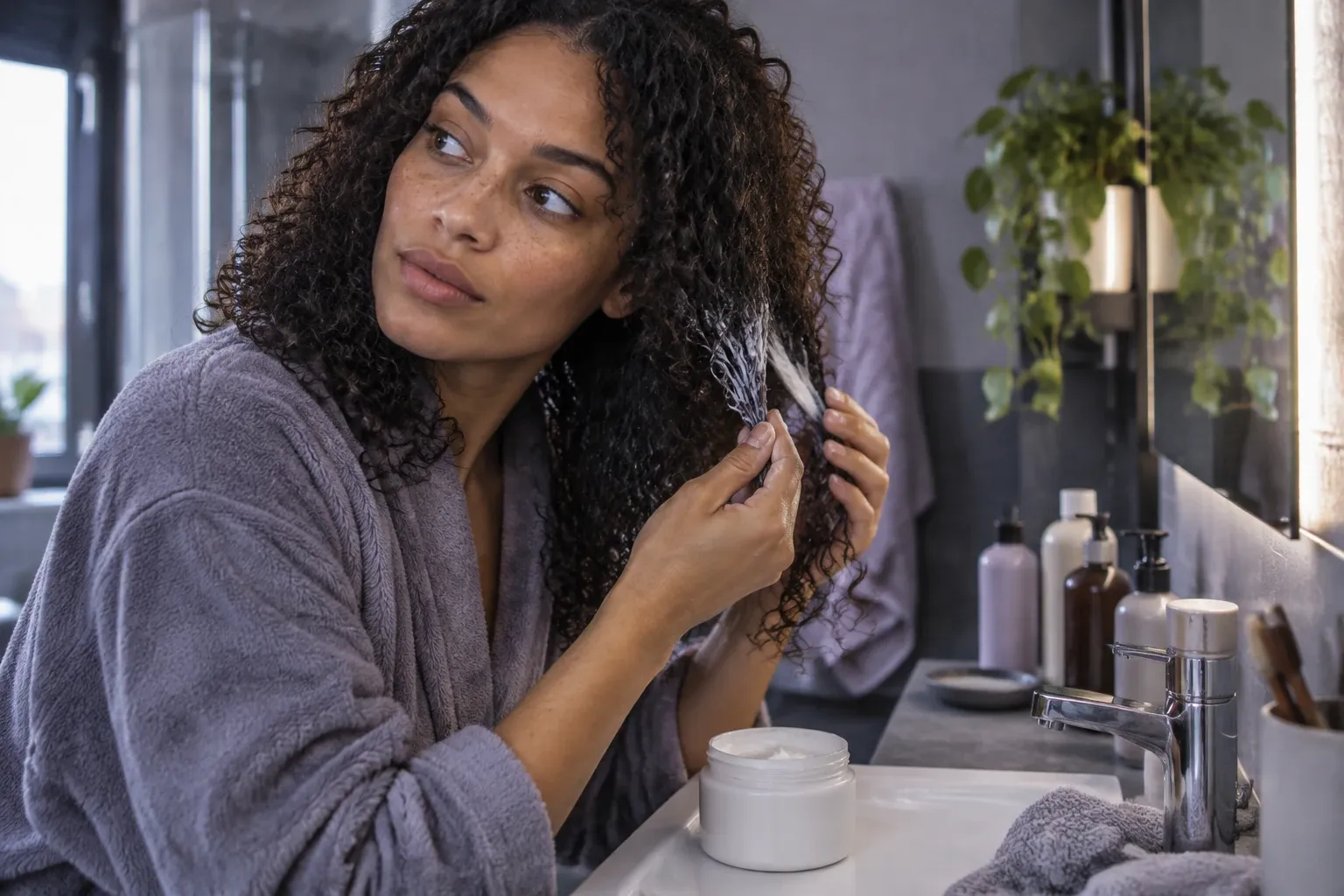
Pick curly hair products that suit your pattern, porosity and routine
Curly hair products UK: learn how to choose shampoo, conditioner and stylers that fit your curl type and routine, with dermatologist-backed tips and label checks.
Read more →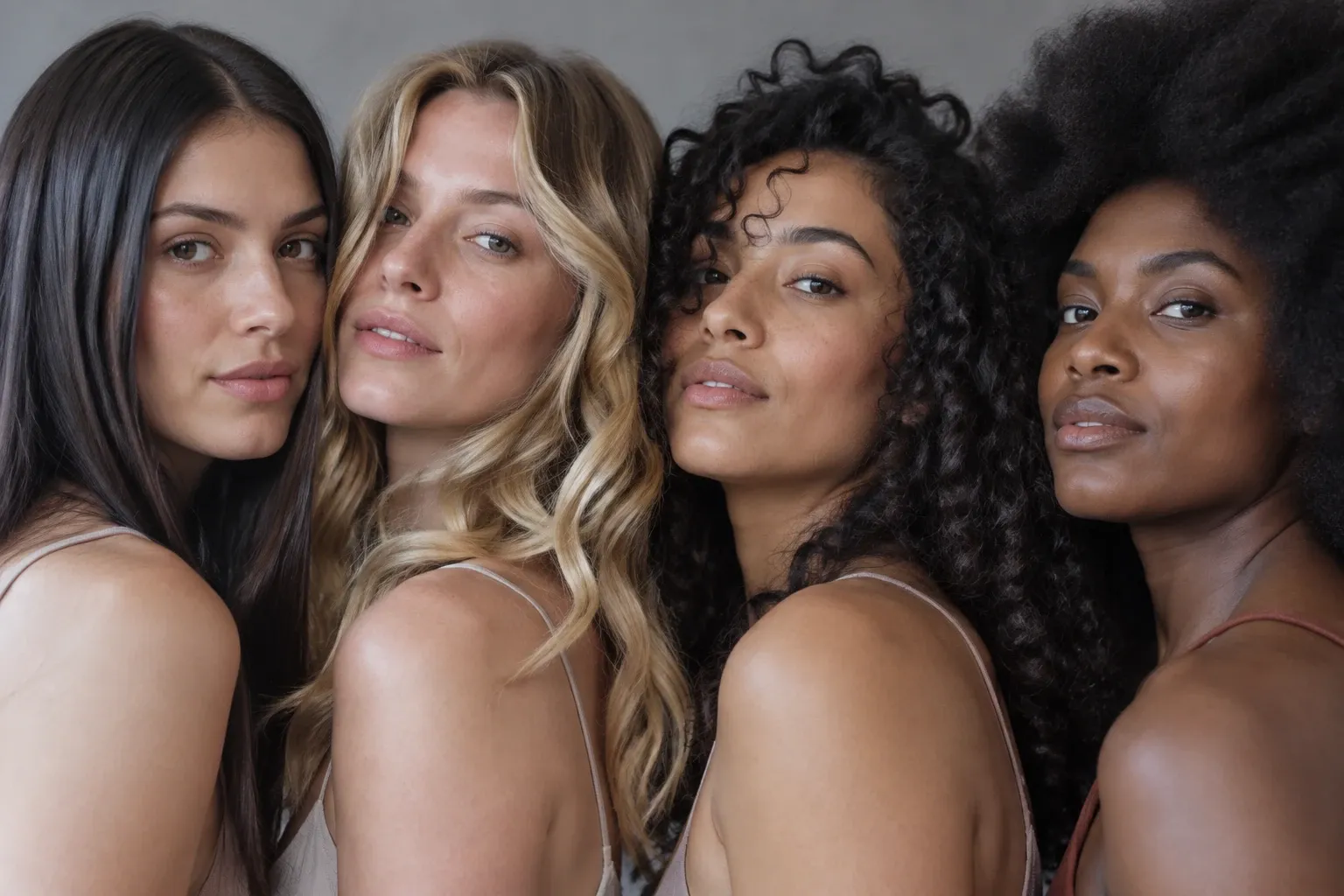
Find your hair pattern and make the chart useful
Hair type chart, made practical: how to spot your pattern (1A–4C), what the chart can and can’t tell you, and how to turn it into a routine that works.
Read more →
A calm, safe way to cut your own hair at home
How to cut your own hair at home without mishaps: what to cut (and what to skip), tools that help, step‑by‑step methods, and quick checks before you stop.
Read more →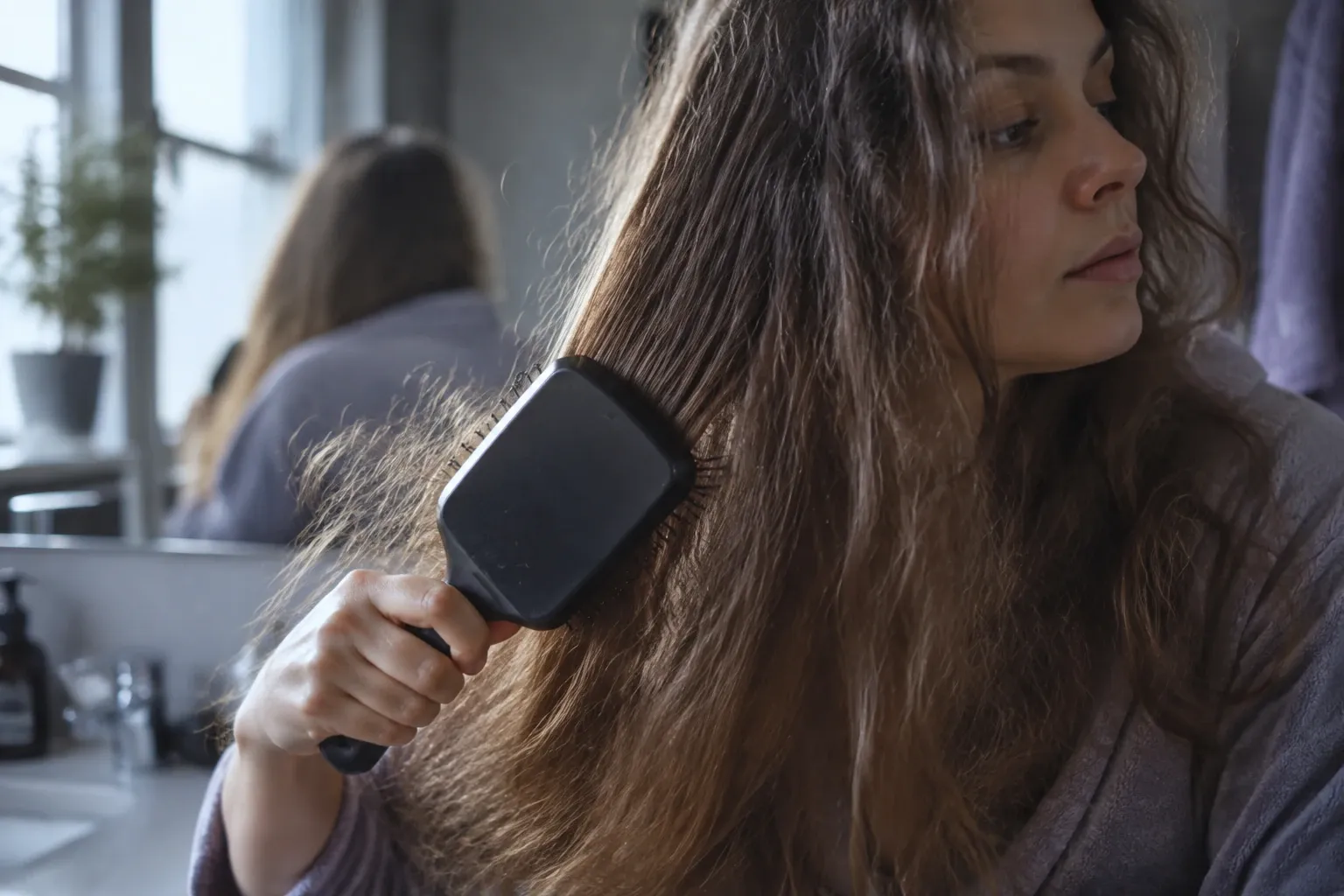
Tame frizzy hair with choices that work in real weather
Frizzy hair: understand why it happens and pick routines, products and techniques that smooth without damage, with steps you can use in UK weather.
Read more →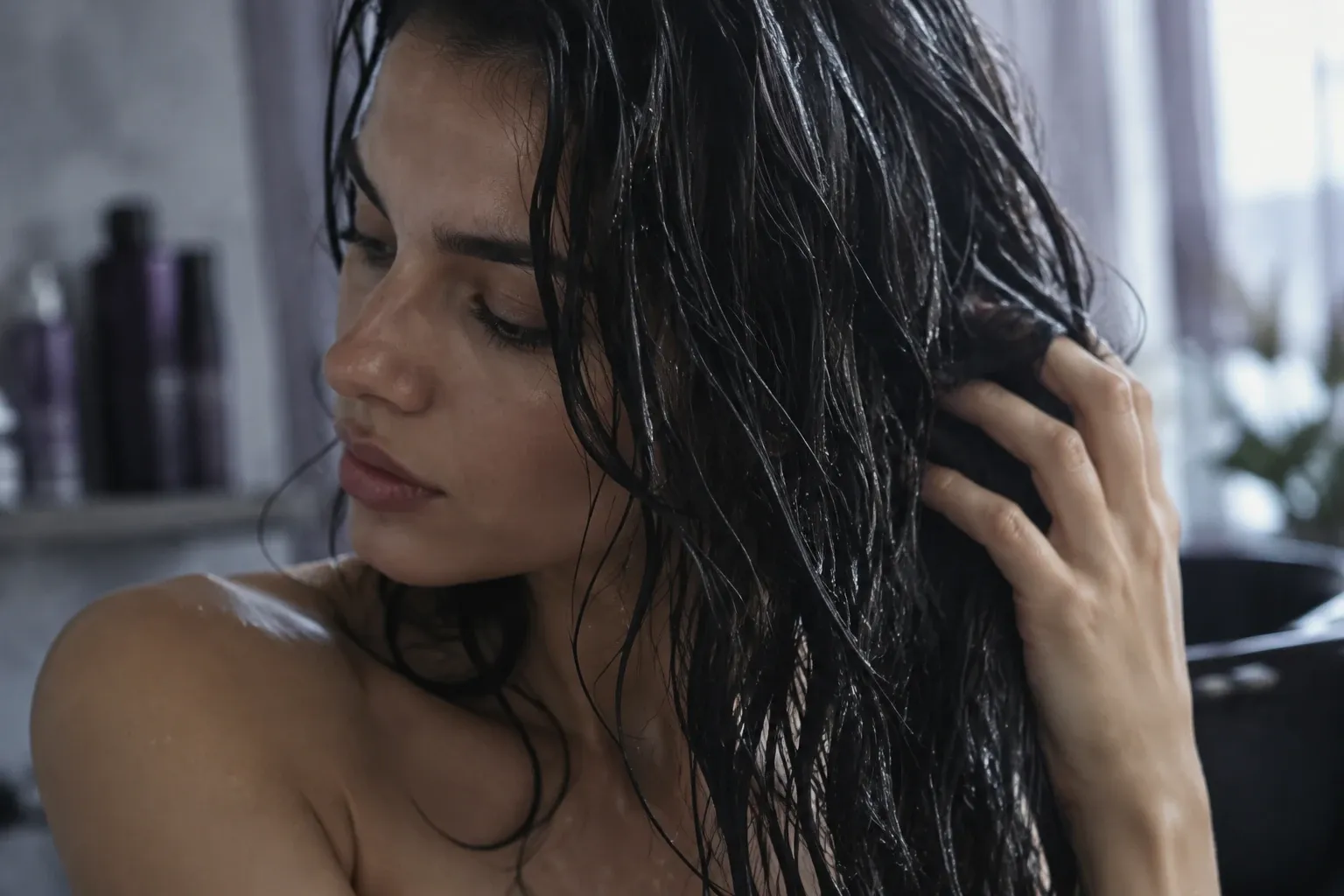
Make low porosity hair easier to care for, step by step
Low porosity hair: what it is, how to spot it, and a routine that actually absorbs. Heat, humectants and light layers, plus when to clarify and what to avoid.
Read more →