Choose the right hairdressing and beauty course in the UK
How do you choose a hairdressing or beauty course in the UK?
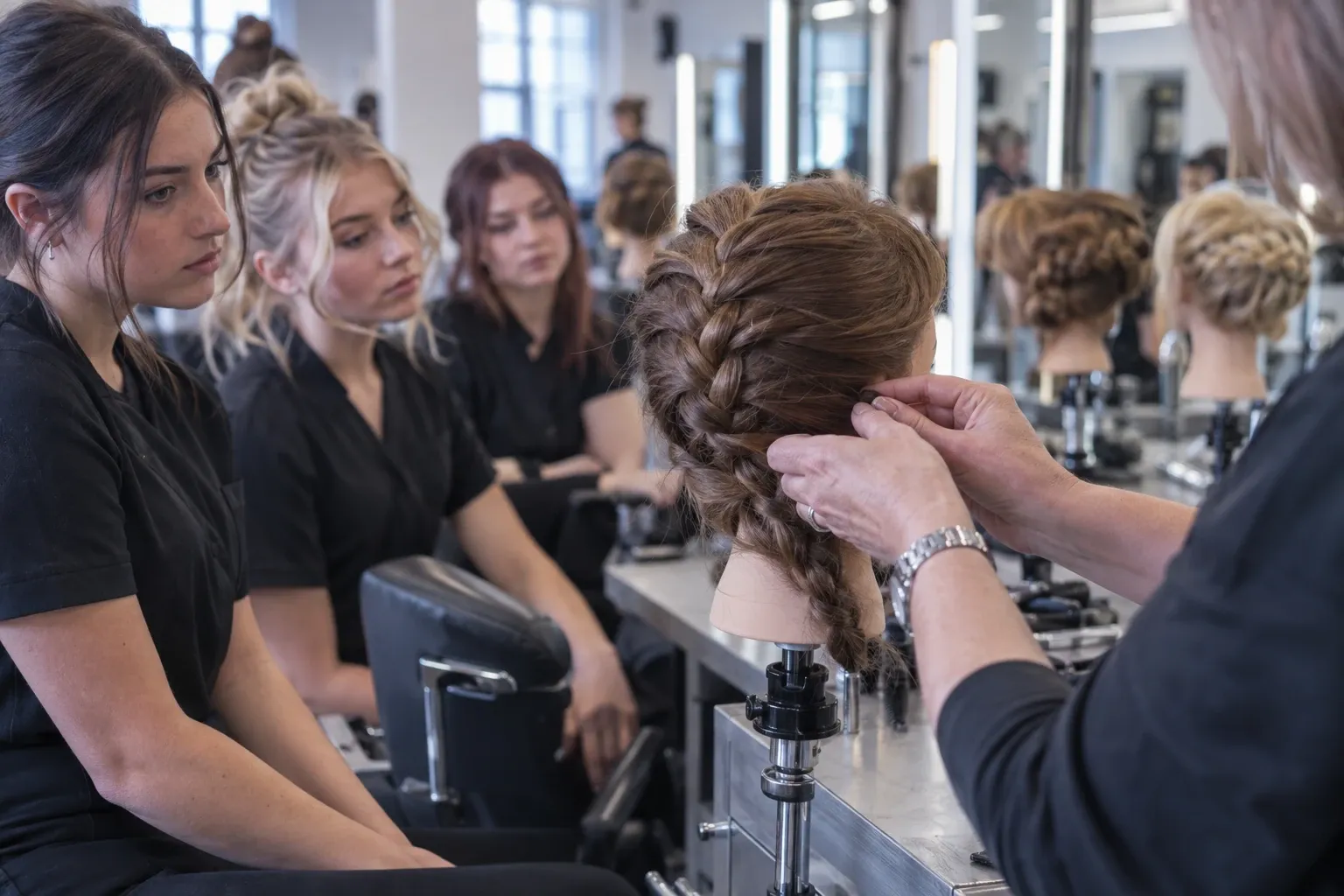
You’re weighing up hairdressing or beauty therapy and need a course that actually leads to work. The trouble is, there are college diplomas, private short courses and apprenticeships, all promising salon-ready skills. This page shows you how to choose, in plain English: what to look for, the main routes side by side, and the simple checks that prove a qualification is recognised. You’ll finish with a shortlist and a plan to start well and track your progress.
What should you decide first?
Before comparing leaflets, get clear on three things:
- Which job you want to train for first: junior stylist, colourist, barber, beauty therapist, nail tech, lash or brow specialist.
- How you prefer to learn: hands-on in a salon while earning (apprenticeship), full‑time at college with set practice hours, or a focused short course to add one service.
- Your time frame: do you want an entry route now, or a longer path that builds to senior roles?
If you’re already sure hair is your path, read our overview of hairdressing courses and the step‑by‑step route in how to become a hairdresser. If you’re leaning to skin, nails, lashes or massage, start with our guide to beauty therapy courses.
How do you check a course is recognised?
- Look for training that maps to UK National Occupational Standards (NOS) for the role. In hair and beauty, these are set by Habia, the government‑recognised standard‑setting body for the sector; NOS define the knowledge, skills and performance expected in salons and clinics. See the standards on Habia’s site. (habia.org)
- Check that any qualification and its awarding organisation are regulated. In England and Northern Ireland you can verify both on the Register via the official ‘find a regulated awarding organisation’ page; it also links to regulated qualifications data. (gov.uk)
- For apprenticeships, confirm the role matches an approved standard and note the typical duration and funding band on Skills England’s pages.
What are your main training routes?
-
Apprenticeship in a salon or spa
- Best if you want to earn while you learn and build real client time.
- Hairdressing is covered by the Hair Professional standard with a typical duration of 24 months and a current maximum funding band of £11,000 in England, shown on Skills England. (skillsengland.education.gov.uk)
- Beauty has a Level 3 Advanced Beauty Therapist standard with a typical duration of 18 months, also listed by Skills England. (skillsengland.education.gov.uk)
-
College course (full‑time or part‑time)
- Useful if you prefer structured classroom and salon‑floor practice with set assessment points.
- Prioritise programmes from Ofqual‑regulated awarding bodies and check units align to Habia’s NOS for the services you want to offer. See Habia’s standards and verify awarding‑body recognition via the Ofqual Register.
-
Short and add‑on courses
- Right for qualified stylists or therapists upskilling in a single service (for example, extensions or advanced facials).
- Choose providers that either offer a regulated unit/qualification or clearly map their content to NOS. If you’re comparing extension training, see our take on hair extension courses.
How do you compare real options like‑for‑like?
Use these side‑by‑side checks when you talk to a college, private school or salon:
- Recognition and standard
- Which regulated qualification or apprenticeship standard does this lead to? Can I see the Ofqual code or the Skills England standard reference? Check against the official pages: Ofqual Register and Hair Professional / Advanced Beauty Therapist.
- Content and practice hours
- How many assessed client services will you complete, and which NOS units do they match? Cross‑check with Habia’s NOS.
- Salon readiness
- Ask where recent learners now work, what services they perform, and whether the course includes reception, consultation, patch testing and aftercare to NOS standards. See Habia for what “competent” looks like in each service.
- Time and cost
- For apprenticeships, confirm the typical duration on the official standard and the funding band so you know what training can be covered. Hair Professional lists 24 months and a band of £11,000; Advanced Beauty Therapist lists 18 months. Check the live Skills England pages for any updates. Hairdressing standard; beauty standard.
What’s a sensible plan from here?
- If you’re early in your career, shortlist one college route and one apprenticeship. Use the Ofqual Register to confirm the college qualification is regulated, and use the Skills England page to confirm the apprenticeship details. Ofqual; Skills England.
- If you’re retraining alongside work, weigh up evening study or day‑release. Start here: part‑time hairdressing courses for adults.
- If you’re already qualified, map your next skill to NOS and pick a focused top‑up such as our review of hair extension courses.
How will you know it’s working?
- You can describe the NOS‑based outcomes you’ve achieved (for example, full consultation, colour selection and application to standard) and your assessor signs them off against set criteria. Habia’s overview explains how NOS define performance and knowledge for each service; use it as a cross‑check: Habia NOS.
- Your course or apprenticeship appears on the official registers, with a clear title and level that employers recognise. Verify via the Ofqual Register or the named Skills England standard page you’re following.
- You’re building real client services in the areas you want to work in: cutting, colour, finish, facials, waxing, nails, lashes or massage. Keep a simple log; your assessor will expect it.
Articles in this section Training & Careers
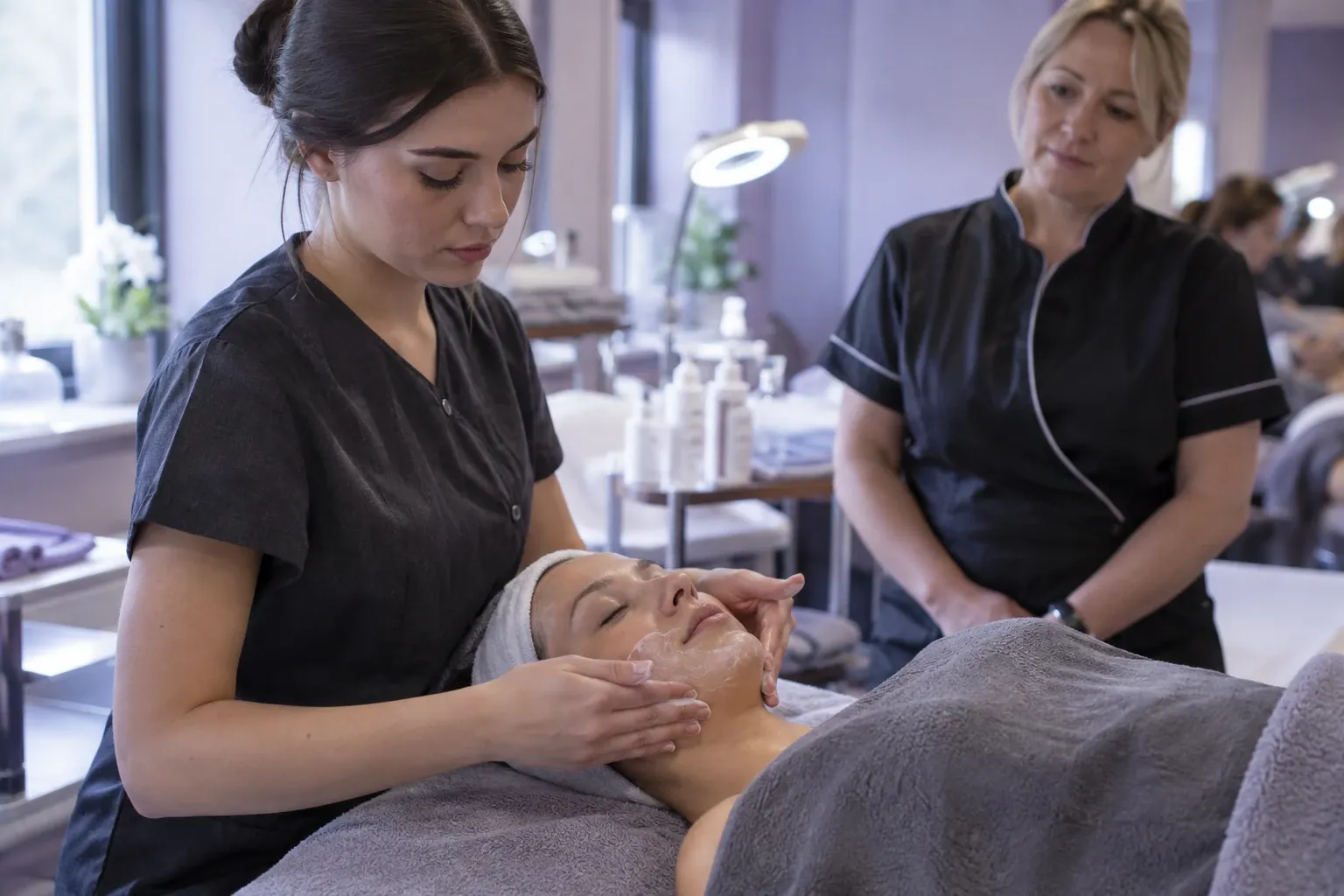
Choose a beauty therapy course that genuinely builds salon skills
Beauty therapy courses: read UK levels, compare routes from Level 2 to advanced add‑ons, and check NOS alignment and insurance so your training opens doors.
Read more →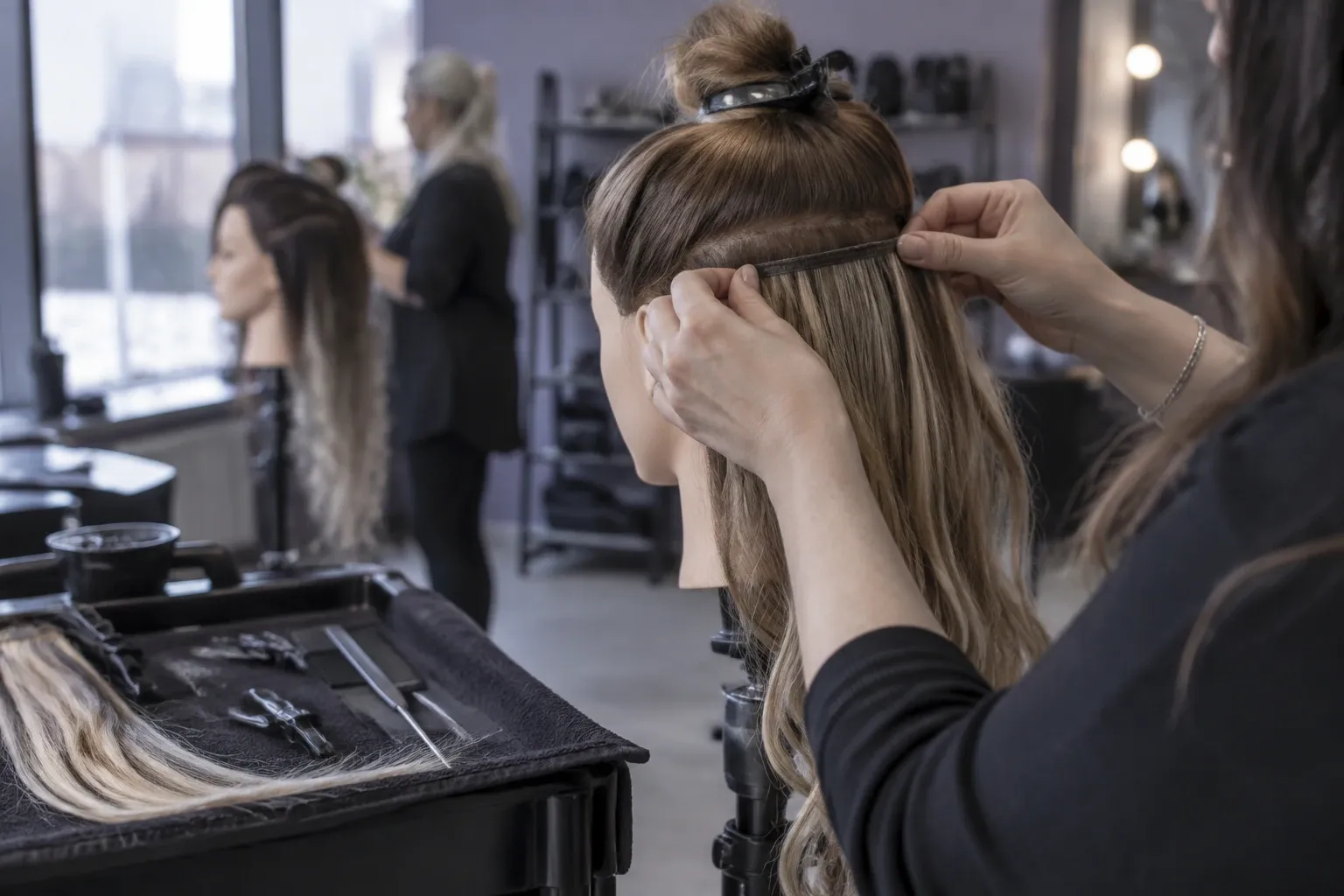
Pick a hair extension course that actually gets you insured and working
Hair extension courses: how UK training works, which qualifications count, what insurers expect and how to check a course before you book.
Read more →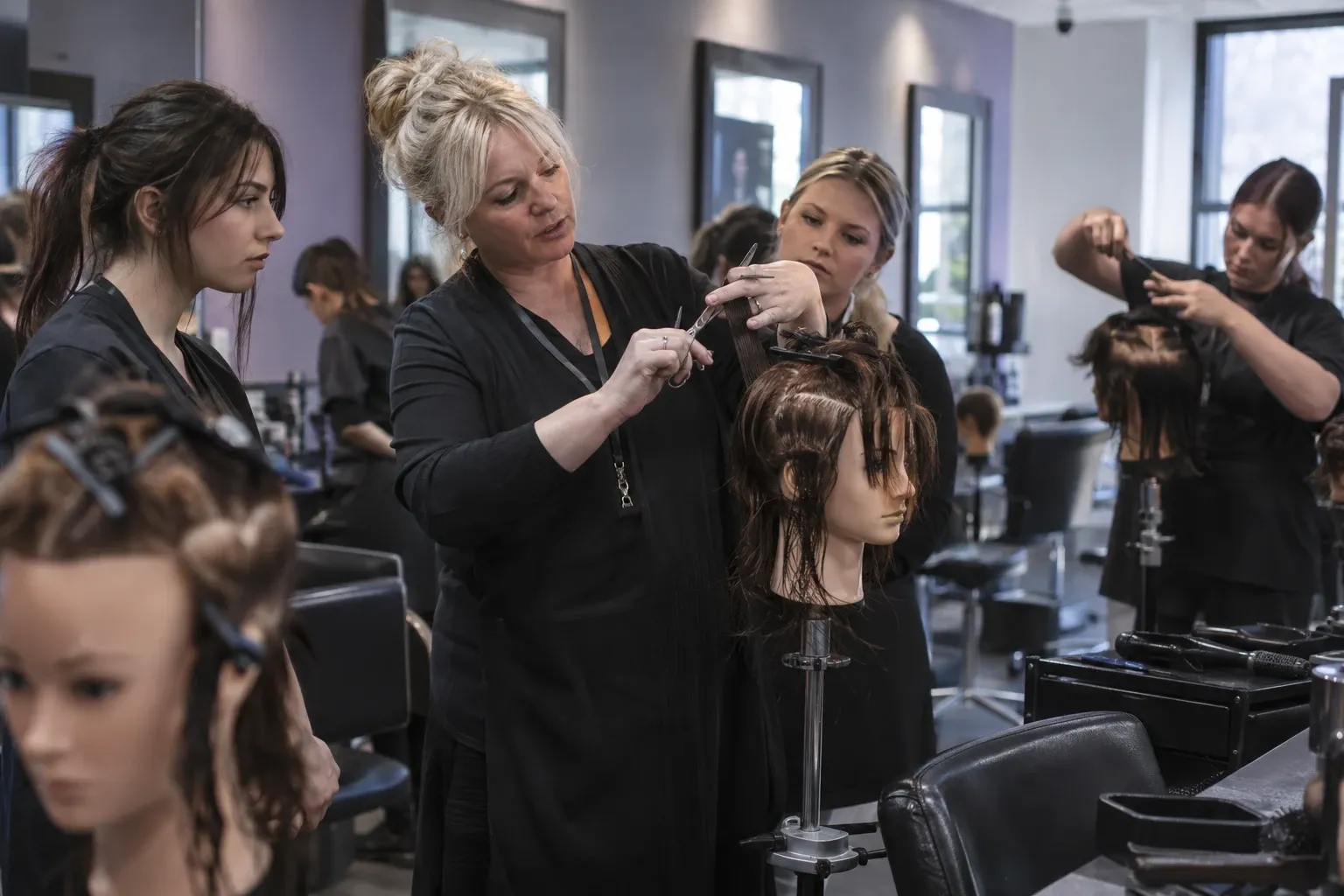
Pick a hairdressing course that actually leads to salon work
Hairdressing courses: compare apprenticeships, college diplomas and private academies, with the UK routes employers recognise and how to check a course’s level.
Read more →
Pick your route into hairdressing in the UK and make it stick
How to become a hairdresser in the UK: compare apprenticeships and courses, what employers expect, safety basics and a simple plan to get salon‑ready.
Read more →
Choose a part‑time hairdressing course that fits your life
Part time hairdressing courses for adults: compare UK routes, hours, levels and funding so you can pick a flexible course that leads to real salon skills.
Read more →