Short hairstyles for women that fit your texture and routine
Thinking about going shorter but unsure which shape will work with your hair? Compare pixies, crops and bobs by texture, daily styling and how often you want to maintain the outline.
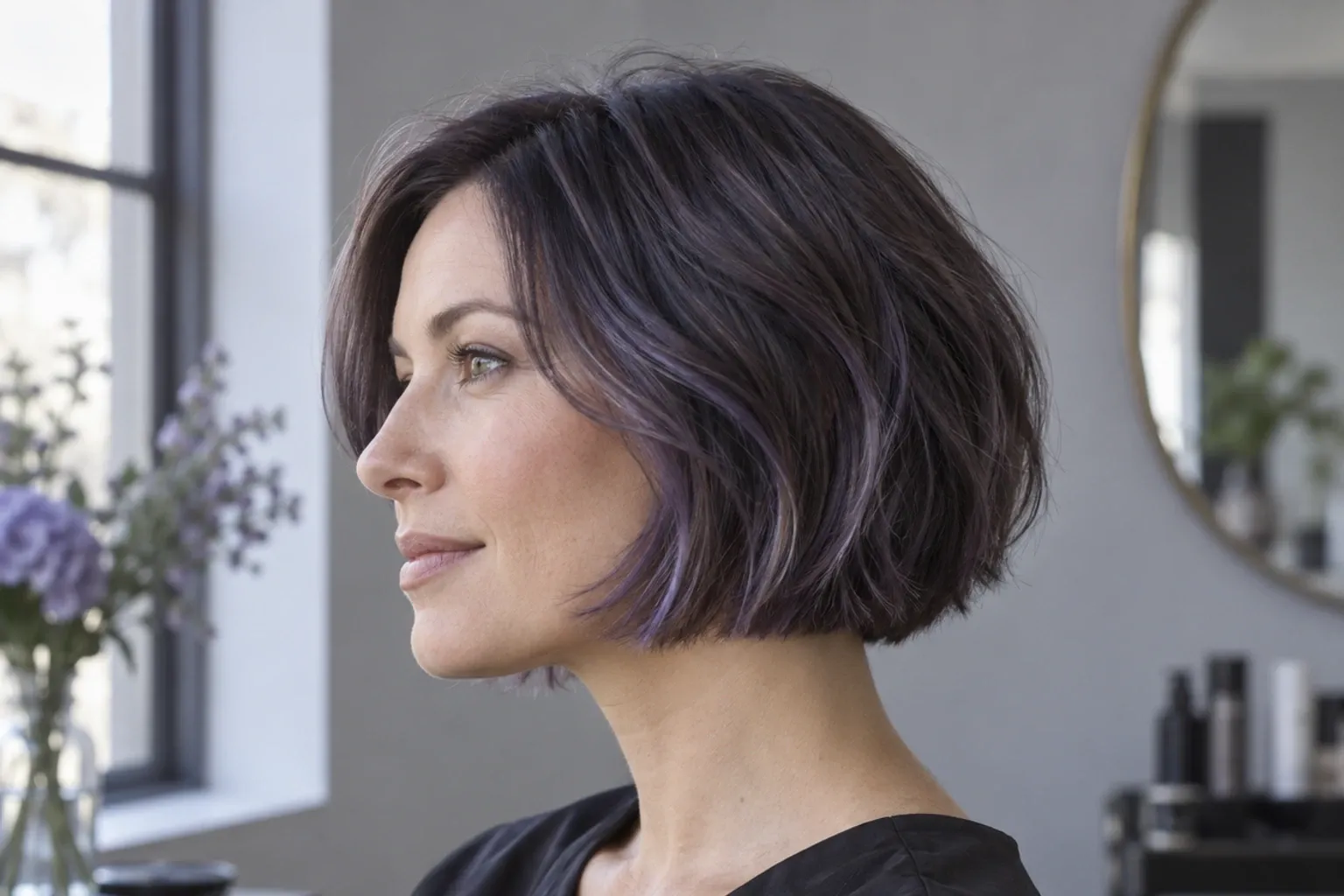
A short cut can feel like a practical reset, but “short” covers everything from a close crop to a bob that brushes the jaw. The same reference photo can behave quite differently on fine, thick, straight, wavy or coily hair, and a cut that looks simple may still need regular shaping or daily styling.
Which short cut suits your hair and your day-to-day life?
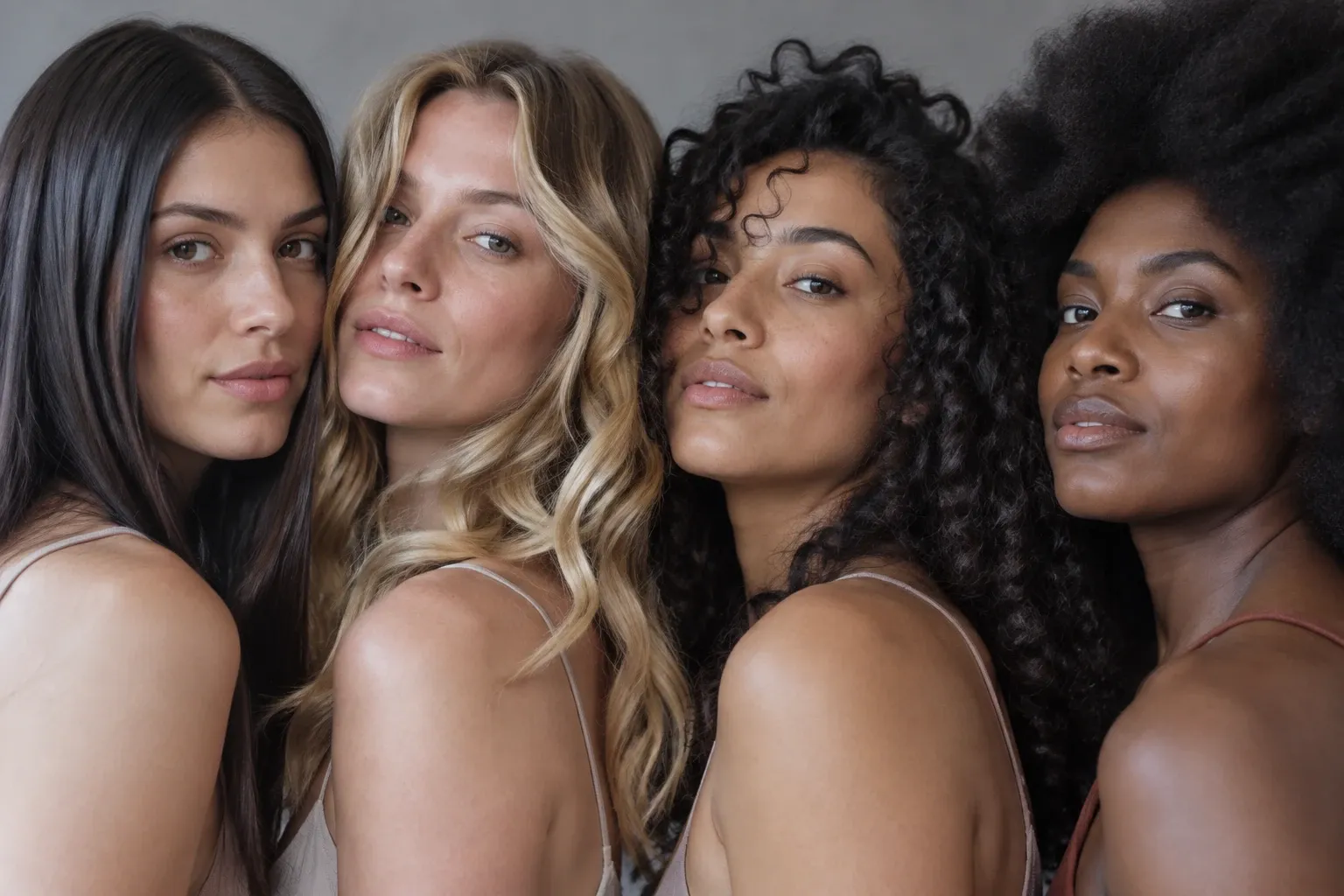
Start with what your hair does naturally, not only with the photograph you like. Note whether it is fine or coarse, how much of it you have, whether it is straight, wavy, curly or coily, and how it sits after air-drying. Texture describes the shape and feel of individual strands; density describes how much hair grows across your scalp. Both affect how a cut falls, but they are not the same thing.
Next, picture an ordinary morning. Would you rather scrunch in a product and go, or are you happy to use a hairdryer or define individual pieces? Short hair can reduce the amount of hair you need to wash and dry, but it does not automatically remove styling time. A close shape may need a particular finish to sit as you like, while a longer bob may be easier to tuck behind your ears or tie back.
If you are building a wider routine around your hair type, start with the practical basics in choosing a hair care routine. For the haircut itself, be specific about the length you want to keep, the parts you want exposed or covered, and how much daily styling feels realistic.
What is the difference between a pixie, a crop and a bob?
A pixie is a short cut with closely shaped sides and back and usually more length on top. It can be neat and close, softly layered, swept to one side or textured. The term covers several shapes, so saying only “pixie” leaves plenty of room for different interpretations. Show where you want the fringe, sides and neckline to sit, and whether you want your ears visible.
A crop is also short, but the word is used broadly for close, compact cuts rather than one single technical shape. You might see a softer crop with a fringe, a textured top or very short sides. Ask the hairdresser to explain the outline and how it will grow, rather than assuming every salon uses “crop” in the same way.
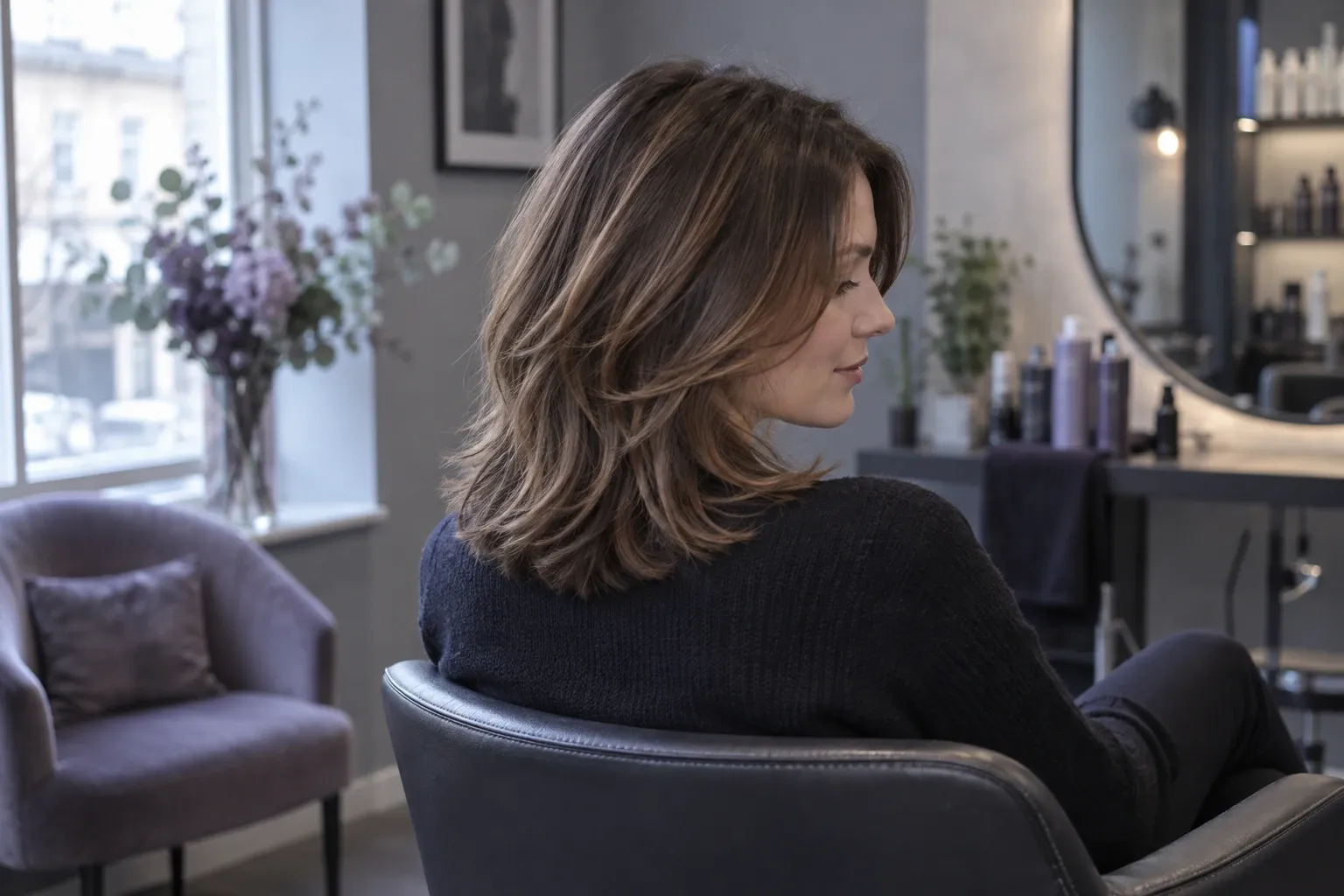
A bob keeps more length, usually around the jaw or below, and can be blunt, layered, wavy or asymmetrical. If you want shorter hair but feel unsure about a pixie, a bob offers a less dramatic first step and more options for tucking, pinning or restyling it as it grows. A bixie blends features of a bob and pixie, but its layered shape is not automatically suitable for every density or texture.
A blunt bob can make fine ends look more substantial because the hair finishes along a stronger line. Layers may bring movement, but removing too much weight can make some fine hair look less full. For thick or dense hair, carefully placed shaping can reduce bulk; where and how much to remove depends on the way your hair naturally expands and falls.
How should you match the shape to your texture?
With fine, straight hair, consider whether you want a clean outline or a choppier effect. A one-length bob can keep the ends looking solid; a short pixie with some length on top can give you pieces to direct or tousle. Heavy layers may leave some fine hair looking sparse at the ends, so explain whether fullness matters more to you than movement.
With thick or coarse hair, talk through the shape from the front, sides and back. A short cut can reveal how your hair naturally builds volume, particularly around the crown or sides. Ask where the hairdresser proposes to remove weight and how the shape will sit without a blow-dry. Avoid assuming that thinning is always the answer: the right approach depends on your individual hair and the finish you want.
With waves, curls or coils, ask how the cut will account for shrinkage and the way your hair springs into shape. A curl that reaches one point when wet may sit higher when dry, so discuss the finished length in its natural state. In a 2026 overview, Allure describes pixie variations on straight hair and textured hair, including 4C coils, and advises taking reference images and specifying the length and coverage you want. Its guidance is a useful reminder that “pixie” is a family of shapes, not a single look.
Face-shape advice can offer ideas about fringe, volume and balance, but it should not become a rule that determines your choice. John Frieda’s UK hair guide discusses adjusting a pixie’s volume and fringe for different face shapes; treat those suggestions as options to discuss, not as a test you have to pass. Your preferred styling, hairline, glasses and comfort with a more exposed neckline matter too.
How much upkeep will each option involve?
Think about upkeep in two parts: styling at home and keeping the shape. A longer bob may need more drying than a crop, while a very precise pixie can show changes in its outline sooner as it grows. Allure gives four to six weeks as a trim interval for keeping a pixie sharply shaped, while noting that softer styles may be worn for longer between cuts. That is an attributed editorial estimate, not a fixed schedule for every head of hair or salon.
Ask what the cut will look like between appointments, not only on the day it is finished. Useful questions include: “Can this grow out softly?”, “Will I need to style the fringe every morning?” and “How will the back sit if I leave it for a while?” If frequent appointments do not fit your budget or routine, say so before choosing a crisp, tightly defined outline.
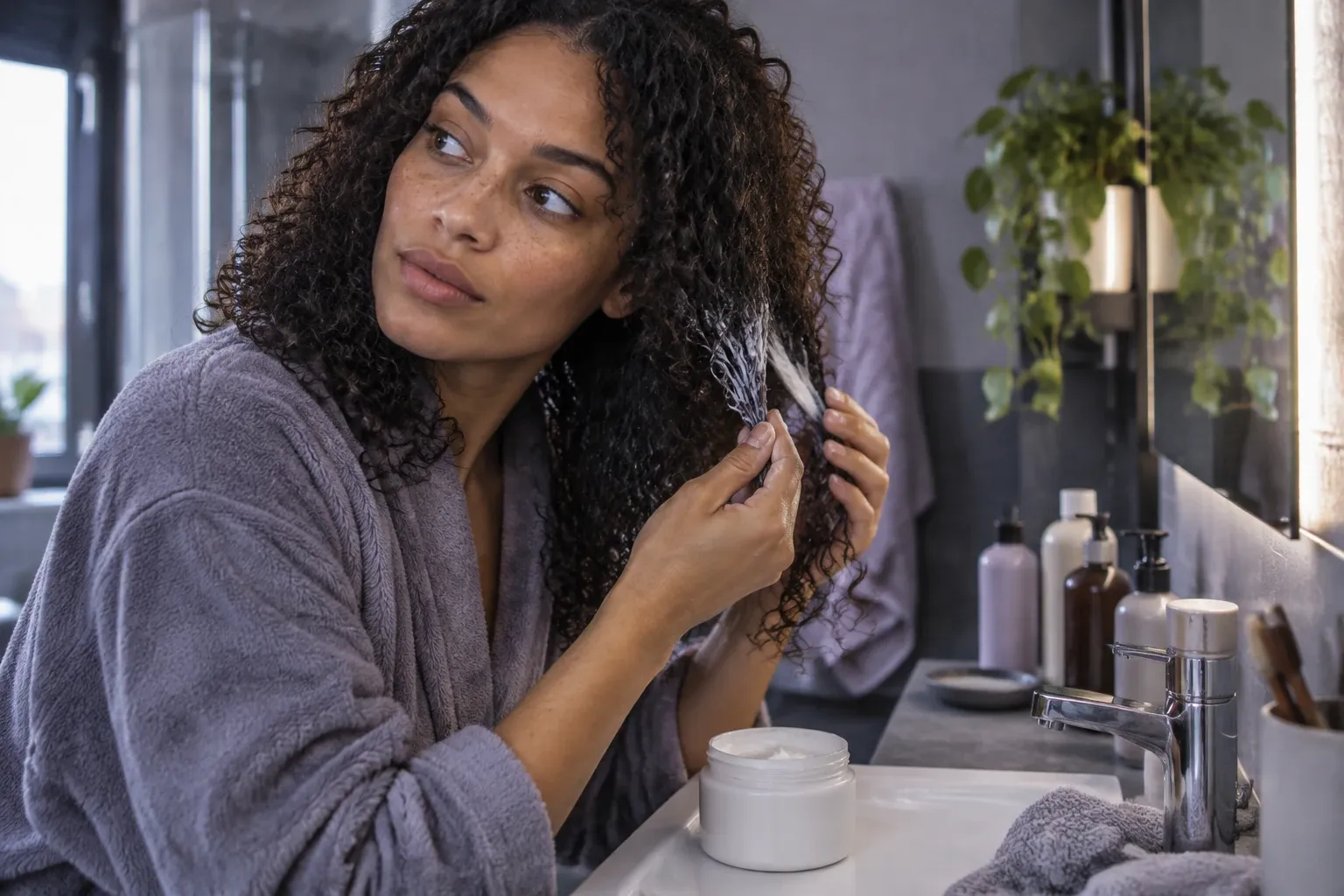
Keep home styling as simple as the cut allows. Begin with the smallest amount of product that gives the hold or definition you want; too much can weigh down finer hair or make curls feel coated. If you use heat, Gloucestershire Hospitals NHS Foundation Trust advises using the lowest heat and power settings on a hairdryer and limiting straighteners or curling tongs, since heat can weaken and dry hair. You can let hair dry naturally when that works for your style.
How can you put your choice into practice?
Before booking, collect a few reference pictures showing the front, side and back of cuts you like. Include images of hair with a texture and density close to yours, and be ready to explain what you like about each one: perhaps the fringe, the outline around the ears or the length at the nape. If you have been drawn to dramatic volume or a shaggy crop, the hairstyles of the 1980s offer useful context for how shape and styling can change the effect of a short cut.
At the consultation, describe your normal styling routine honestly. Say whether you air-dry, use heat, wear a parting in a particular place, or need to tie hair back. If you are unsure about taking off a lot of length, ask whether a longer bob or bixie could be a first stage. There is no requirement to make a gradual change, but considering the transition helps you choose knowingly.
Agree on the details before the hair is cut: approximate finished length, fringe, side shape, neckline and how much texture or layering you want. Ask the hairdresser to explain anything you do not understand, especially if terms like “texturising” or “taking weight out” are being used. These techniques can affect how the ends look and how the cut behaves as it grows.
How do you check whether the cut works for you?
Judge it in ordinary conditions, not only under salon lighting. Try your usual parting, let the hair settle in its natural texture and see how it behaves with the amount of time you normally spend styling. Notice whether the fringe falls where you want it, whether the sides sit comfortably and whether you can manage the neckline at home.
A cut can need small adjustments without being a failure. If a section feels too heavy, too short or harder to style than expected, make a note of exactly when the problem appears and describe it at your next appointment. If you are considering another change, ask how the current shape will transition and what options remain as it grows.
The most workable short hairstyle is the one whose shape, texture and upkeep match your preferences. Choose the amount of styling you are willing to do, be clear about the details that matter, and leave room for your natural hair to be part of the finished look.
Frequently asked questions
Will a short haircut suit curly or coily hair?
It can, but the shape should be planned around your curl pattern, density and how you wear your hair. Curls can spring up when cut shorter, so discuss the finished shape and the amount of length you want to retain. Bring photos of short styles on hair with a texture similar to yours, and ask how the cut will look when dry as well as when freshly styled.
Is a pixie cut easier to look after than a bob?
Not necessarily. A pixie may take little time to wash and dry, but a precise outline can need frequent trims and some styles need daily shaping. A bob may take longer to dry, yet a softer, less structured version can grow out more gradually. Compare the upkeep you actually want, including styling at home and salon visits.
What should I ask for if I have fine hair?
Explain whether your priority is a fuller-looking outline, movement or a particular shape. A blunt bob can keep the ends looking visually solid, while carefully placed layers can add movement. The best choice depends on your density, texture and desired length, so take reference photos and ask how much weight the proposed cut removes.
How can I make a short cut easier to grow out?
Before the cut, tell your hairdresser that growing it out may be part of your plan. Ask which parts can be left a little longer or shaped to transition into a bob, and what the in-between stages may look like. A softer outline may be easier to adapt than a highly precise crop, but the result depends on your starting length and hair growth.
Related reading