Where the hairstyles you love come from, and how to spot their roots
Where do the hairstyles we wear come from?
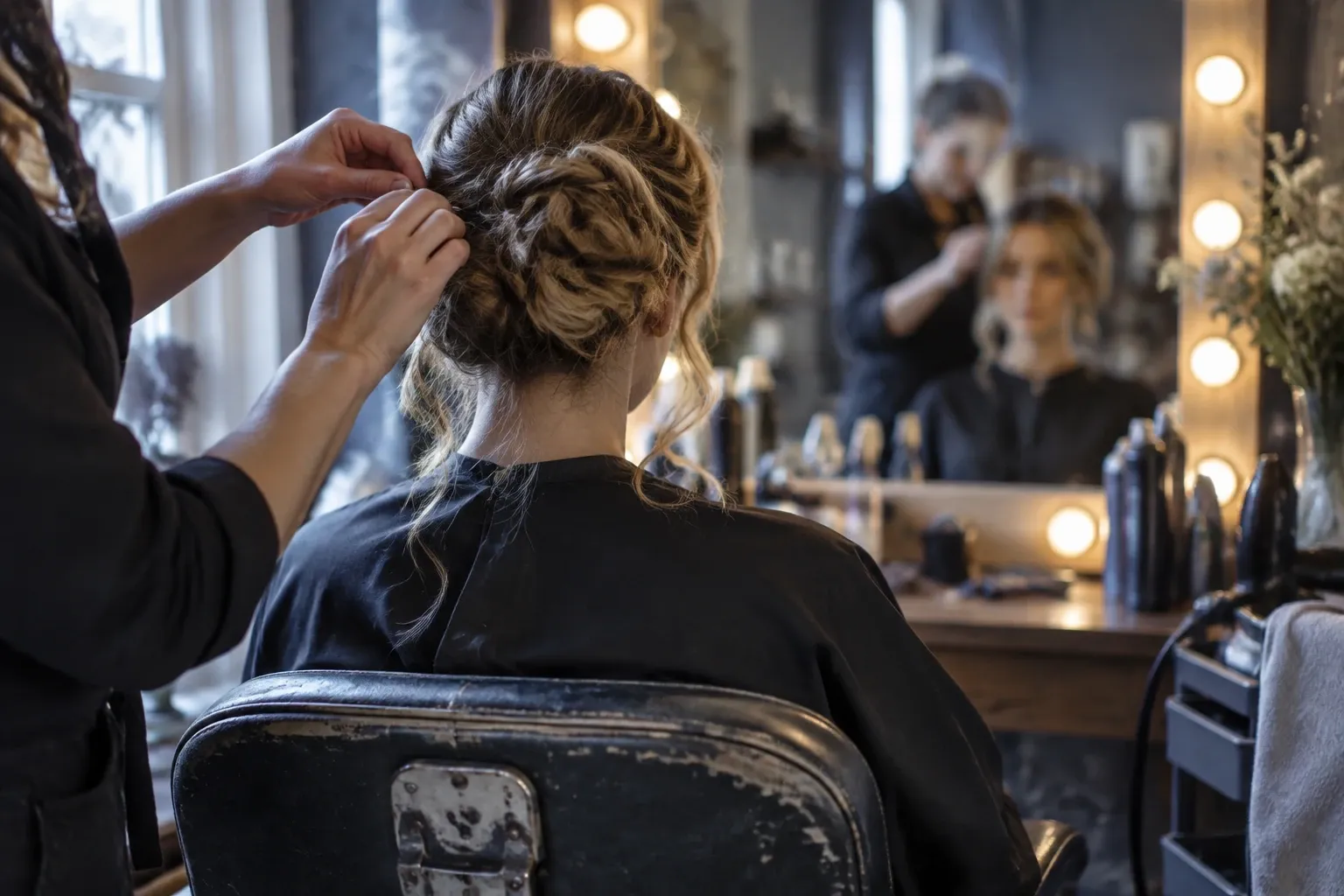
You see a braid pattern, a razor bob, a cloud of 80s curls—and you know they carry a story. This page is your doorway into those stories: what each look meant in its time, how it was made, and the details that tell you an era at a glance. It also points you to in‑depth reads in our Stories section so you can go from “I like that” to “I know exactly what I’m seeing—and how to wear it now.”
Why hair history matters when you choose a style
A hairstyle isn’t just a shape; it signals identity, technology and taste. Ancient Egyptians shaved heads for coolness and wore elaborate wigs—objects of status placed even in burials—so when you spot crisp, weighty curls arranged on a mesh foundation, you’re reading a centuries‑old language of adornment traced in museum collections such as the British Museum’s studied 18th‑Dynasty wig. That single object shows how materials, craft and meaning travel together. (britishmuseum.org)
How to read a hairstyle: era, method, meaning
- Materials and build: Human‑hair wigs set with beeswax signal Egypt and the Near East; wireframes and pads hint at 18th‑century Europe; heat‑set irons and rollers point to the 20th century. Evidence from museum wigs makes the materials‑to‑era link clear. Egyptian examples are a good benchmark.
- Tools and chemistry: Permanent waving moved from hot tongs (temporary) to machines and solutions in salons in the early 1900s, a shift museums summarise when they chart how “permanent wave” systems entered salons by the start of the 20th century. See the Smithsonian’s overview of early waving systems. Hair Care spotlight. (si.edu)
- Social code: In many West and West‑Central African societies, braid designs communicate age, status or community—so pattern and parting aren’t just aesthetic, they’re biographical. An accessible entry point is the African American Museum of Iowa’s primer on hair history and meaning. History of Hair. (blackiowa.org)
Decades and traditions you can explore
If you’re drawn to big volume, sharp textures or timeless plaits, here are starting points and what to look for.
- Like sculpted volume and lacquered shine? You’re probably seeing 1980s codes—spiral perms, sky‑high bangs and crimped texture—plus the aerosol finish that kept it there. For the visual grammar and how it spread, start with our story on the hairstyles of the 80s.
- Curious how a chemical curl became mainstream? Follow the salon tech that made it possible and the silhouettes it created in our piece on the history of the perm. For museum context on when “permanent” waving arrives in salons, see the Smithsonian’s note on early 1900s systems. Early salon waving.
- Spotting tight, zig‑zag texture? Modern crimping irons trace to editorial hairstylist Geri Cusenza, who developed one for Barbra Streisand’s hair in the early 1970s—an origin story reported contemporaneously in the Los Angeles Times. That tool helped define late‑70s to 80s texture. LA Times profile. Then dive into crimped hair for how it looked on the street. (latimes.com)
- Drawn to braids and parts that map identity? Our overview of the history of braiding points to regional techniques and meanings; use it to decode patterns you see today alongside museum and community sources such as the African American Museum of Iowa. Meaning in braids.
- Wondering why grey is having a moment? The cultural climate has warmed to silver—on runways, in media and in salons where blending techniques let you lean into it. Our story on the rise of grey hair shows what changed and how people are wearing it now.
Try a period look the modern, hair‑safe way
- Recreate the silhouette, not the strain: an Egyptian‑inspired shape might be a wig on a breathable cap; an Edwardian wave can be set with heat‑protectant and a wide‑barrel iron instead of historical tongs.
- Swap chemicals wisely: if you’re perm‑curious, read how modern solutions, rod sizes and aftercare differ from early machines—and book with a stylist who does perms weekly, not “occasionally”. Our history of the perm explains what changed.
- Use temporary texture for trial runs: if you love crimped definition, try micro‑braid heatless sets or a modern crimping iron with adjustable heat before committing to a cut. See the backstory in crimped hair. For the iron’s origin, the LA Times piece on Geri Cusenza is a useful primary source. A Natural High.
- Honour meaning when you borrow: with braid traditions in particular, learn the name, region and significance of a pattern you plan to wear. Community and museum explainers outline why. Start here.
Spot when you’ve nailed the reference
- The silhouette reads instantly at a distance: 80s “big hair” shows volume at the sides and crown; Egyptian‑style wigs make a crisp, weighted outline; intricate cornrow maps show symmetry and clean parts.
- The making matches the era: roller set or perm‑rod curl gives a different spring to tonged waves; braid patterns fall where the culture places them; wig hairline and density echo historical examples.
- The story holds up under questions: you can say where the look comes from, what tool or technique it relied on, and what it signified—whether that’s salon tech from the early 1900s, a 1970s crimping iron for editorial hair, or braids that speak to community and status. For each, museum and archival sources anchor the claim: Egyptian wigs, early permanent waves, and braid meanings.
Articles in this section Stories
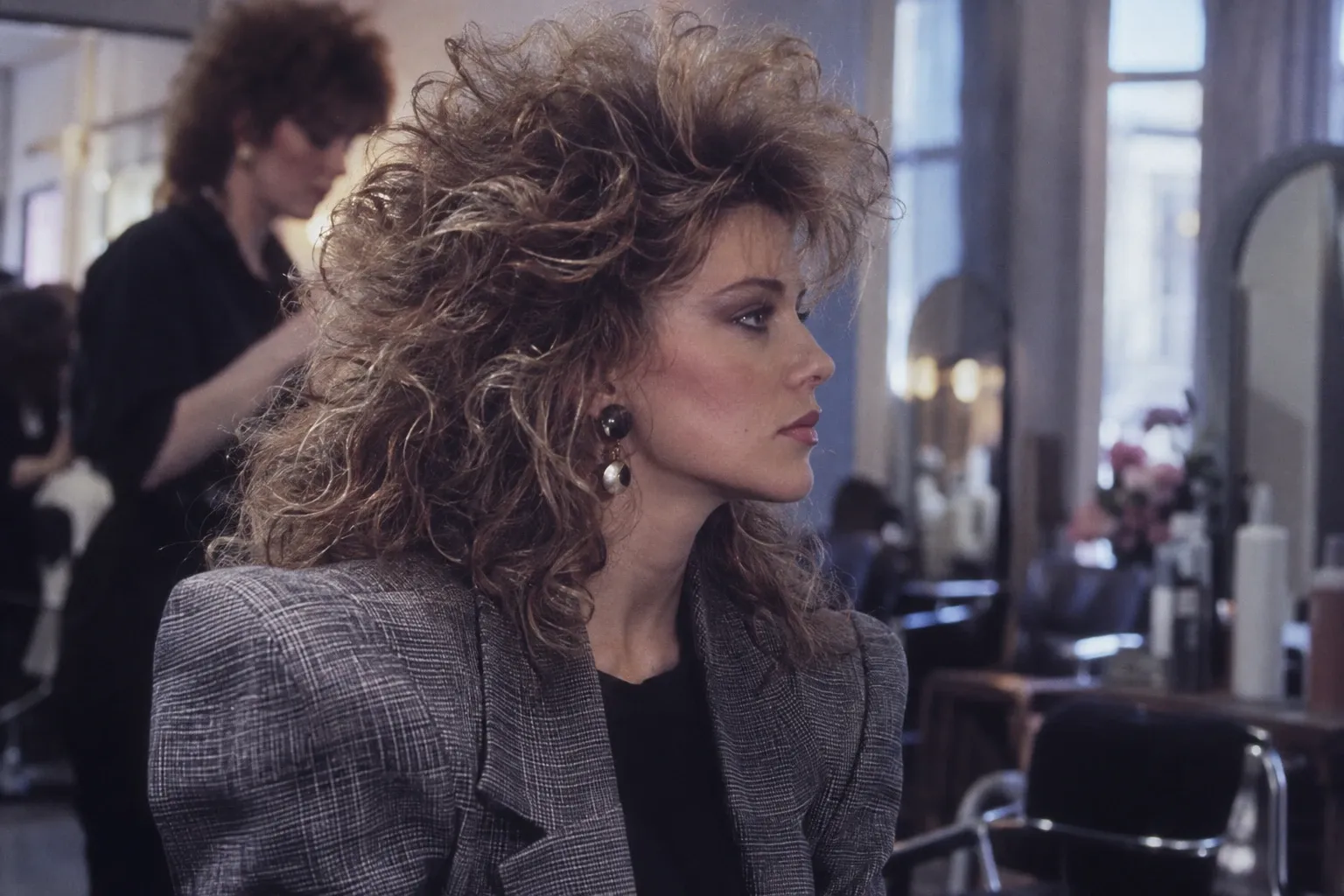
From big hair to mullets: what really shaped 80s hairstyles
Hair style of the 80s, from big hair and perms to mullets and crimping. What shaped the looks, how UK club culture fed them, and how to recreate them today.
Read more →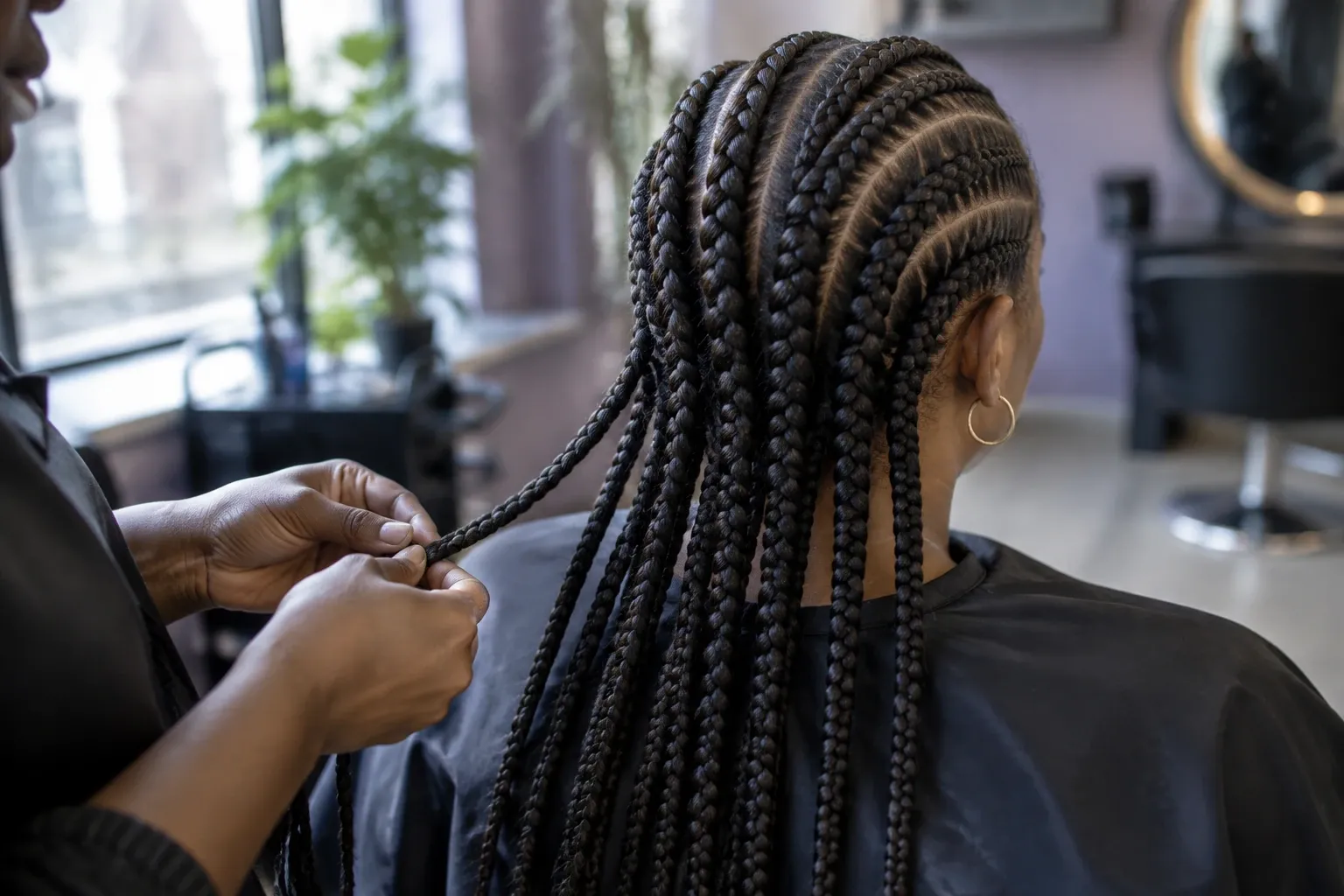
Braids across time: origins, meanings and making
Braiding hair across time: from Predynastic Egypt to Roman salons and today’s African styles, learn what braids meant and how they were made.
Read more →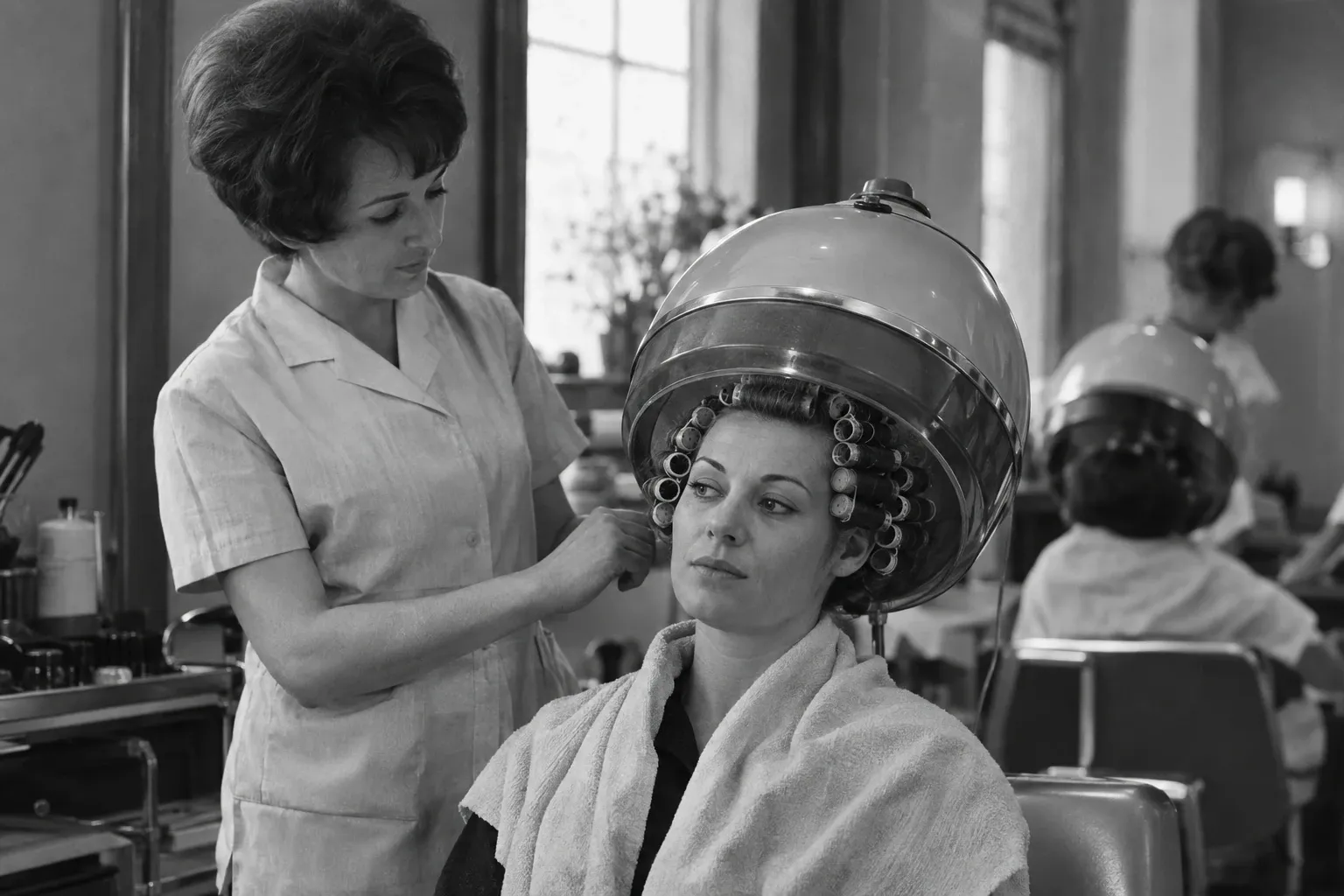
From Nessler’s electrical machine to cold waves: how the perm reshaped hair
Perm hair, from Nessler’s early machine to late‑1940s cold waves: what changed in the process and products, and what that means for curls today.
Read more →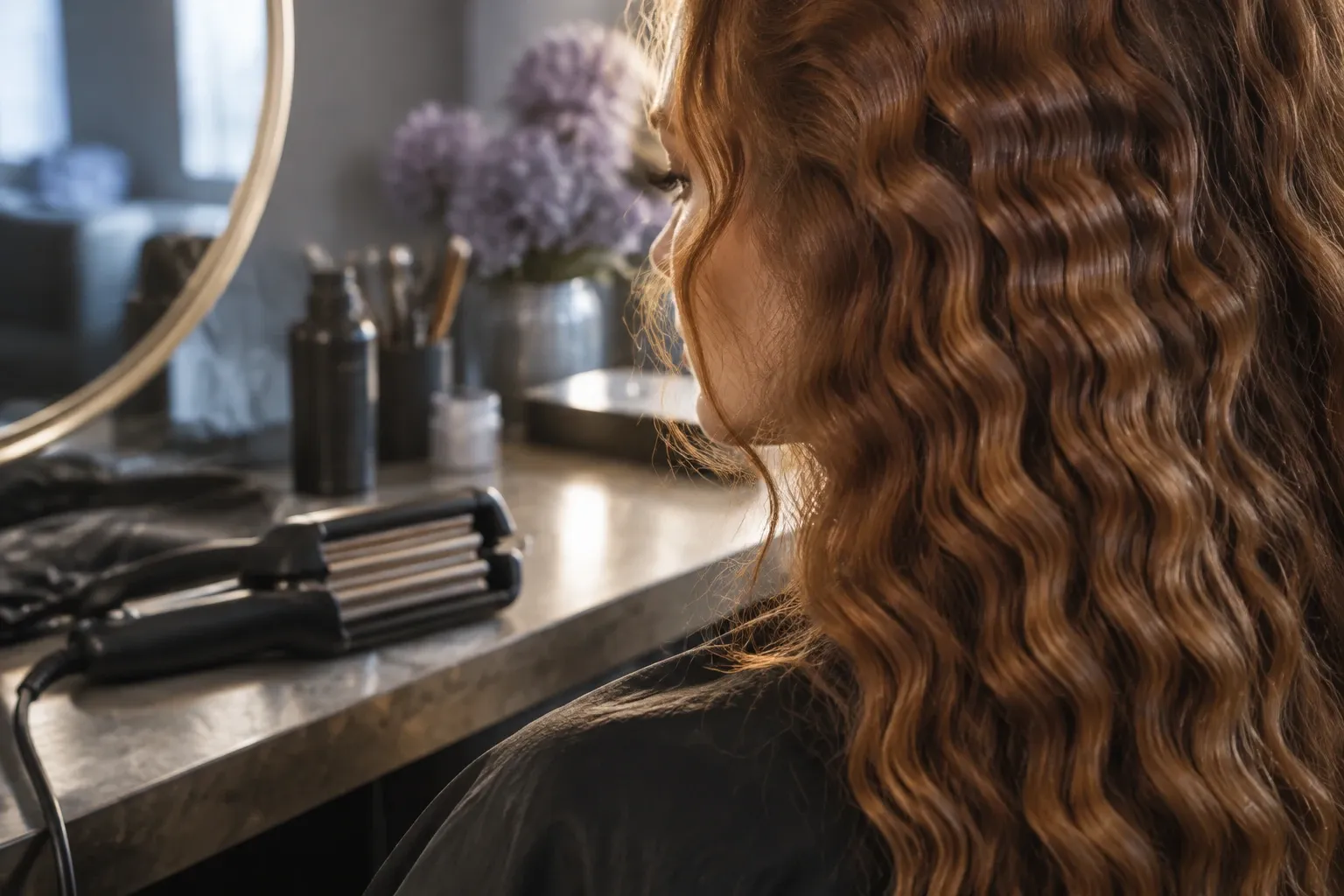
How crimped hair went from backstage trick to 80s icon
Crimped hair has roots in early irons and a 1970s invention for Barbra Streisand. Learn where it came from and safe ways to recreate the texture.
Read more →
Grey hair’s new chapter: what it means, how it happens, and how to wear it well
Grey hair, explained with evidence: why it happens, when it starts, safe colour choices, UV care and styling ideas so you can own silver on your terms.
Read more →