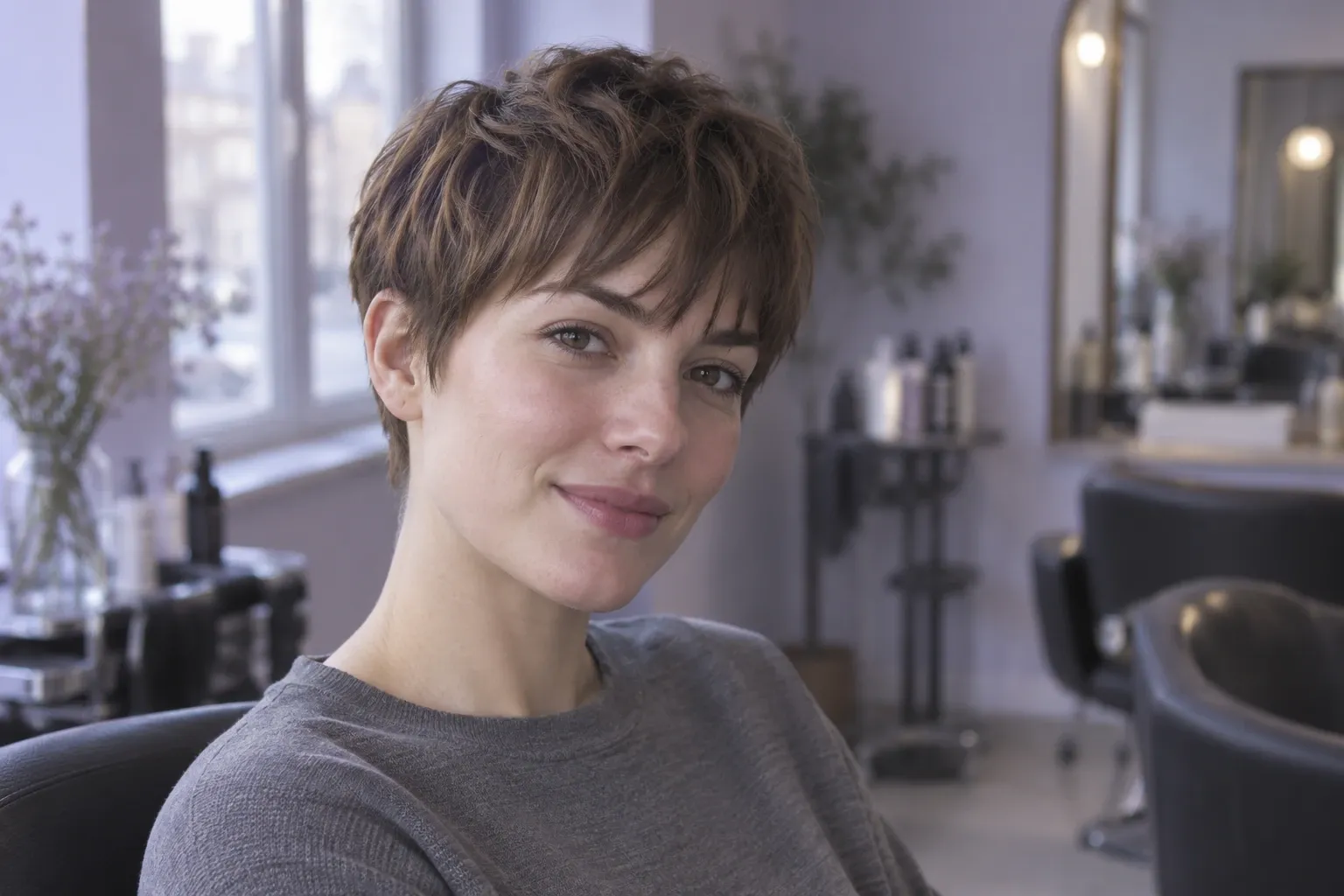
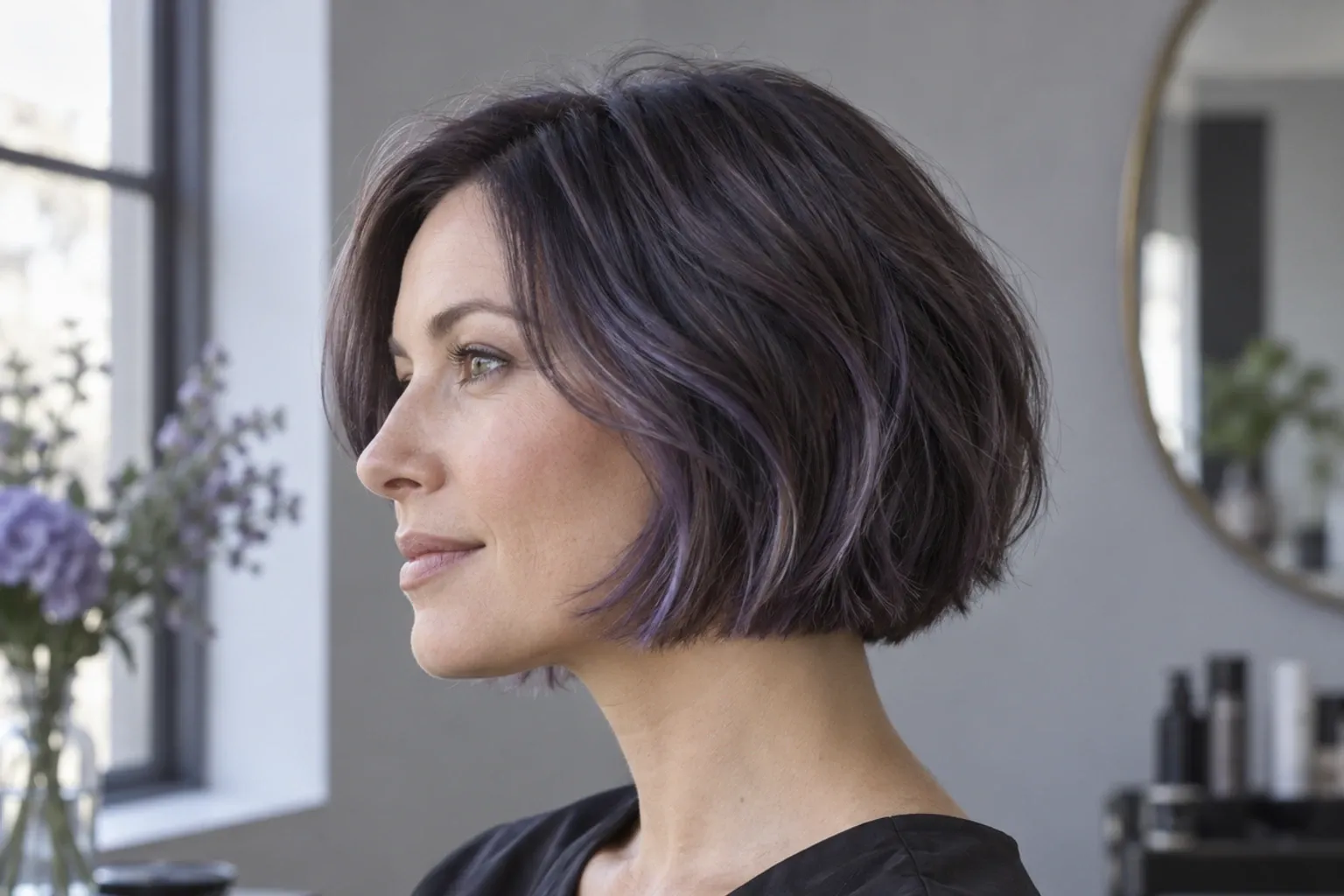
Balayage hair that feels personal and grows out softly
If you want lighter-looking hair but are unsure how balayage differs from highlights, the application method is the key. Think about the contrast and placement you want, then discuss your hair history and upkeep with a colourist.
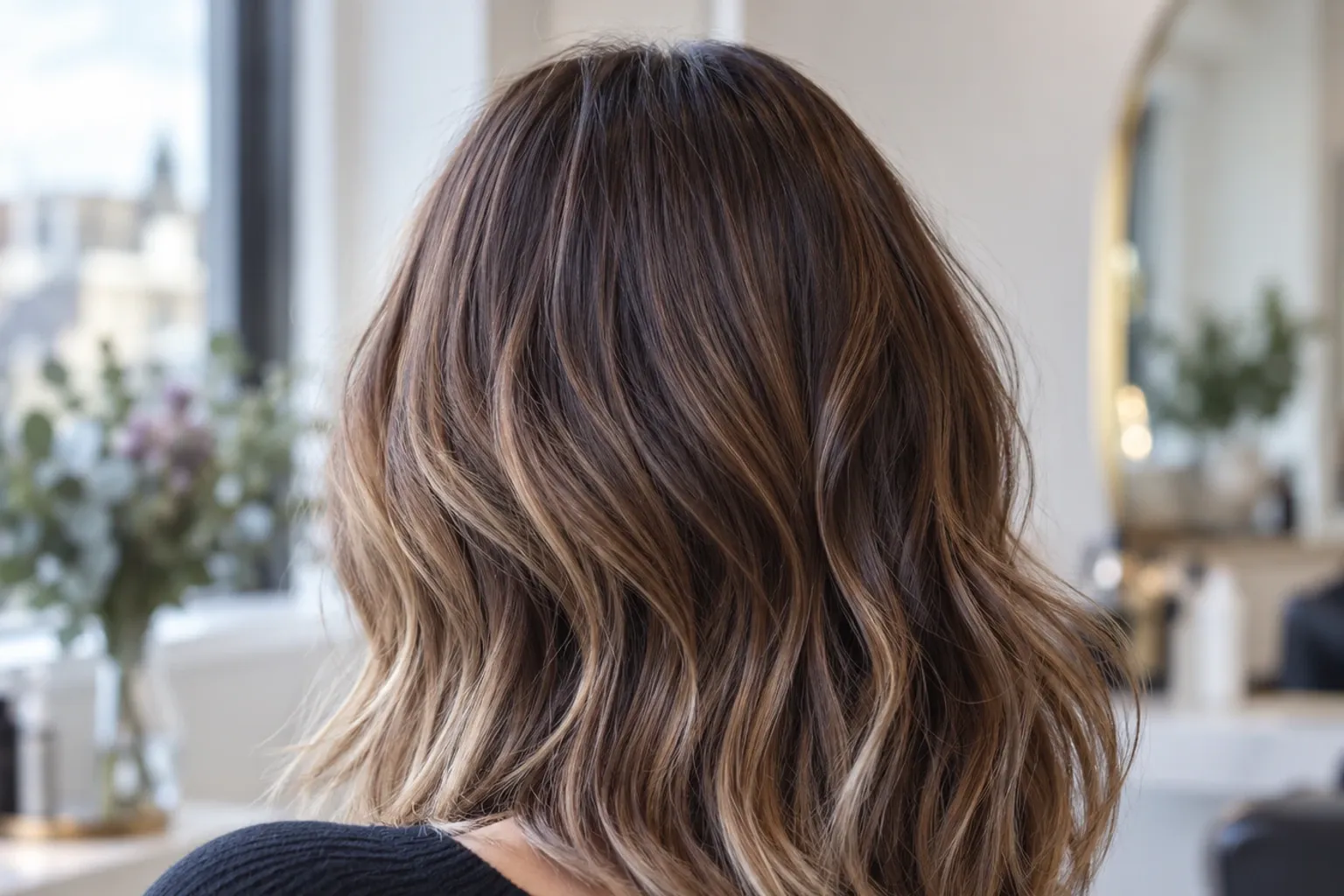
You may have saved a photo of soft, sunlit colour, only to find that “balayage” can mean several different finishes. The word describes a way of placing colour, not one fixed shade or hairstyle, so the result depends on your starting colour, the sections selected and how much contrast you want.
Use those details to compare balayage with highlights and ombré, describe your preferred finish clearly and check that the plan suits your hair’s movement and colour history.
What does balayage mean in practice?
Balayage is a freehand colour application technique. Instead of creating a uniform set of coloured sections, the colourist paints selected areas to shape a softer transition. In a common approach, colour is applied lightly near the roots and becomes more concentrated towards the ends, though placement and finish vary. The open educational chapter on hair-painting methods explains that balayage is one method of freehand painting, and distinguishes it from ombré, which describes a graduated colour effect. opentextbc.ca
That distinction is useful when you are browsing pictures: two people may call a look “balayage” even if the colour pattern, brightness and amount of root coverage differ. A photo can show the effect you like, but it does not tell you the exact technique or promise the same result on another starting colour.
Which finish are you choosing?
Start with the visual difference you want. Balayage may suit you if you like a less regular, blended placement, with some of your natural colour left visible. Traditional highlights are often placed in more defined sections, sometimes using foils; this can be a better conversation if you want a more even distribution of brightness. Ombré is primarily a graduated look, usually with a more noticeable shift between a darker root area and lighter lengths or ends. These approaches are not mutually exclusive: a colourist may combine freehand placement and foils to tailor the result.
The University of British Columbia’s open hair-colour text describes balayage as surface painting, with saturation often focused towards the ends, while ombré is a graduated result created with a more horizontal placement. The terms are sometimes used loosely in salons and online, so describe what you want the finished hair to look like rather than asking for a label alone.
Think about three aspects as you compare examples: how light the overall result looks, how close to the roots the lighter pieces begin, and whether you prefer a fine, subtle shift or a stronger contrast. If you are considering blonde pieces on a brunette base, choosing blonde highlights for brown hair can help you think through shade and placement. Keep your chosen examples varied enough to show the colourist what matters to you, not just one image with different lighting or styling.
What should you tell the colourist?
A useful consultation starts with your hair as it is now, not only the inspiration photo. Explain your natural base as best you can, any previous colour or lightening, and whether you usually wear your hair straight, wavy or curly. Mention the result you want in plain terms: for example, brighter around the face, lighter through the ends, or a very soft change that leaves most of your base visible. Also say what you do not want, such as a strong root-to-end contrast.
Be open about your routine and preferences. If you want a noticeable change but do not want to revisit the salon often, ask how the proposed placement is expected to grow out and what kind of refresh might be needed. Do not assume that every balayage appointment will have the same upkeep: colour depth, placement and your natural regrowth all affect how the look changes over time. A colourist can explain the likely maintenance for the plan being discussed, rather than a generic promise attached to the name.
Ask whether your colour history affects what is achievable, whether a strand test is appropriate, and what the service includes. A strand test means trying the colour or lightener on a small section to check how it develops. City & Guilds’ hairdressing assessment guidance describes strand testing as a way to check whether a colour result has been achieved or whether lightener development is sufficient; it also notes that client requirements and relevant test results are part of a colouring consultation. cityandguilds.com Your colourist should explain which checks apply to your appointment and follow the product and salon procedures they use.
How do you put your choice into practice?
Before booking or agreeing to a service, use the consultation to turn your preference into a clear plan. Show a few reference images, and point to what you like in each: the brightness, placement, root softness or overall contrast. Ask the colourist to explain where they would place the colour on your hair and what the finished look may be like when worn in your usual style. If a desired result would require a larger change than you expected, ask what stages or alternatives they recommend rather than assuming one appointment will reproduce the picture.
A practical checklist for the conversation:
- Describe your current colour history, including previous colouring or lightening.
- Say how much visible change you want and where you want it.
- Show how you normally part and style your hair.
- Ask how the result may look as your natural roots grow in.
- Clarify whether toning, a cut or other services are included in the plan.
- Ask what aftercare the colourist recommends for the specific products used.
Balayage is often described as low-maintenance because a softer root transition can make regrowth less obvious than a uniform colour change. That does not mean the shade will never need attention: tone can shift, ends may look different from the roots, and you may want to refresh the finish. Manufacturer advice is product-specific; for example, L’Oréal Professionnel’s balayage guidance discusses care for coloured hair and notes that balayage can be created on different hair lengths and colour combinations. Treat its product recommendations as that brand’s guidance, not a universal rule. lorealprofessionnel.co.uk
For your day-to-day routine, follow the instructions from the colourist and the products you use, and choose care around your hair’s texture and condition as well as its colour. If you are building a broader routine, choosing care for your hair type is a useful place to start. Texture also affects how the placement reads: if you wear a fringe or shorter front pieces, bring that into the discussion; working with a textured fringe offers related styling context.
How can you check the result?
Look at the colour in the context of the plan you agreed, rather than judging it against a photo taken under unknown lighting. Check the placement around your parting and face, how the lighter sections connect to your base, and how the result looks with your usual part and texture. If the hair has been styled differently from your normal routine, ask to see how it falls when adjusted. You can also ask the colourist to explain which areas were lightened and how the finish is expected to change as the hair grows.
If something differs from what you discussed, be specific and calm: point to the area, describe the contrast or tone you notice, and refer to the agreed inspiration. Ask what can be adjusted and whether the proposed change is suitable for your hair history. The goal is not to demand an exact copy of someone else’s hair, but to check that the placement and finish reflect the plan made for you.
Before leaving, make sure you know what the salon recommends for washing and styling, what to do if the tone changes, and when to ask about a refresh if you want one. A good balayage choice is not only a shade you like in a picture; it is a placement you understand, a realistic plan for your own hair, and a finish you can assess in the way you actually wear it.
Frequently asked questions
Is balayage the same as highlights?
No. Balayage describes a freehand painting method, usually with colour concentrated more towards the mid-lengths and ends. Traditional highlights are commonly placed in separated sections and may be wrapped in foils, which can create a more regular pattern or stronger lift. Salons use different techniques and may combine them, so ask how the colour will be applied rather than relying on the service name alone.
Does balayage have to be blonde?
No. Balayage describes placement rather than a particular colour. A colourist can discuss lighter or darker tones and how they might work with your natural base. Bring examples that show the shade and contrast you like, and ask what is realistic on your existing colour. The result depends on your starting point and the agreed application, not on the word “balayage” by itself.
Can balayage cover grey hair?
Balayage may add colour around some grey strands, but a freehand placement is not the same as all-over root coverage. If covering grey is your main goal, explain that at the consultation and ask which service can address it. A colourist may discuss combining techniques, but the right approach depends on how much coverage you want and your current colour.
Will balayage work with wavy hair?
It can be planned around wavy hair, but placement and finish matter: the colour may look different when waves are worn naturally than when the hair is straightened. Show the colourist how you usually wear it and explain where you want the lightness to appear. For care and styling ideas that suit your texture, explore [ways to care for wavy hair](/blog/wavy-hair/).
Related reading

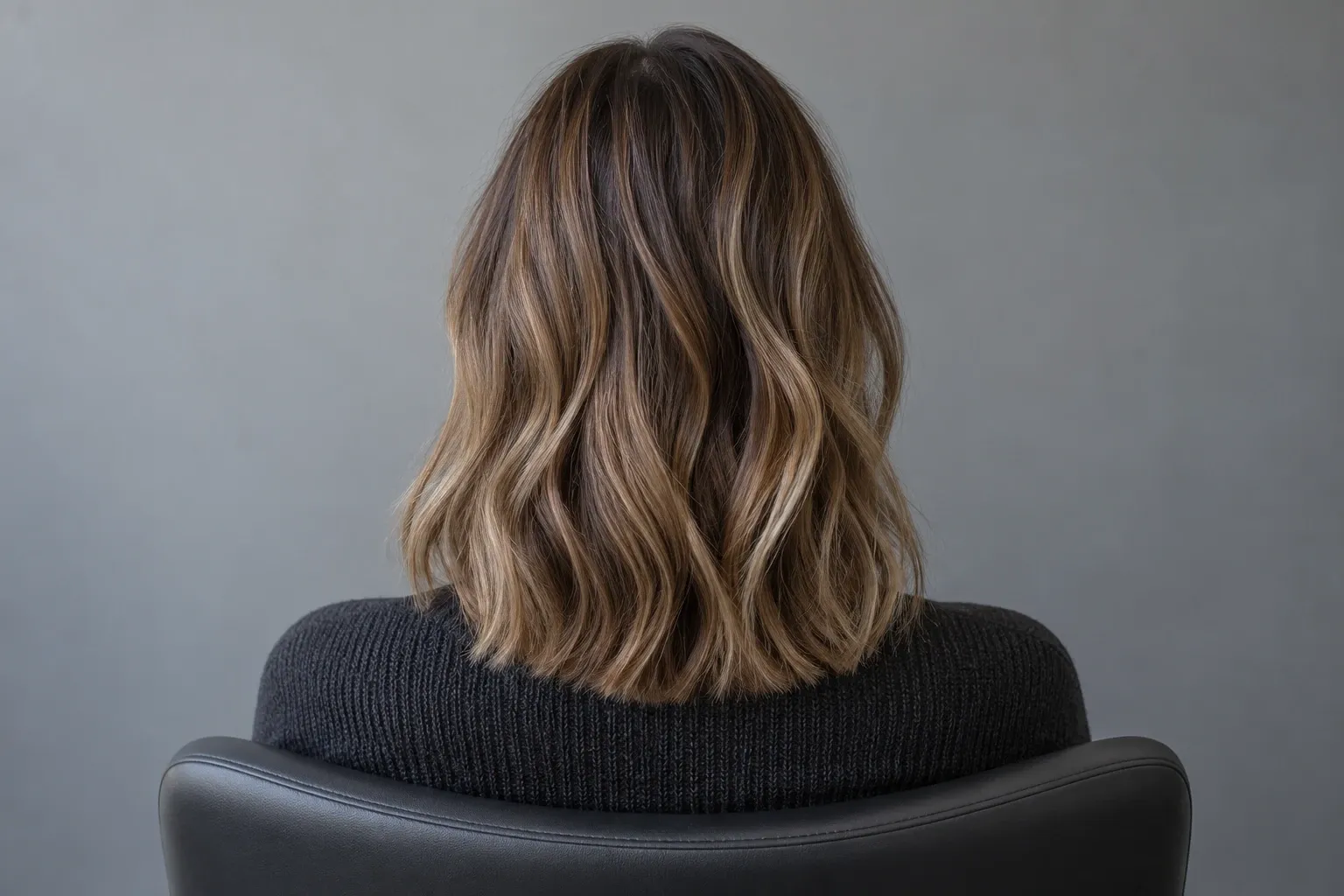
Brown hair with blonde highlights: choose a shade and placement that suits you
Read more →