Copper hair colour can suit you with the right shade and care
Thinking about copper hair but unsure which version will suit you or how much upkeep it needs? The best starting point is your natural colour, the finish you want and how much change you are ready to maintain.

Copper can mean anything from a soft, golden tint to a vivid red-orange. The difference is not just the shade on a colour chart: your starting colour, previous treatments and the way light catches your hair all affect the finished look. Before choosing a reference photo, decide whether you want a subtle warmth, an all-over change or brighter pieces that frame your face. That gives you a more useful conversation with a colourist and a clearer way to judge the result.
Which copper shade are you picturing?
Copper is a family of red-orange tones, not one standard colour. A golden copper can look softer and more amber; a brighter, clearer copper reads more vivid; and a deeper copper-brown keeps more brunette depth. A photo is useful, but note what you like about it: the brightness, the red-to-gold balance, or where the colour sits. Pictures taken in different lighting can make the same kind of shade look quite different.
Start by looking at your hair in natural daylight. Is it light, medium or dark? Does it already have colour on the lengths, or is it mostly your natural shade? Mention any past colour, bleach, highlights or home dye. These details help a colourist assess what can realistically be achieved and whether a change should be gradual. If you have a particular result in mind, take more than one reference image and explain which parts you want to borrow rather than asking for an exact copy.
How much change do you want?
An all-over copper gives the strongest overall shift, but it also makes regrowth and fading more noticeable. A copper-brown or muted shade can keep more of your existing depth. Highlights or painted sections add warmth in selected areas rather than changing every strand; ask how the placement will look when your hair is tied up or parted differently. The technique and the starting colour both affect how visible the result will be.
If you would rather reveal colour only with movement or a particular style, peekaboo colour placements can keep brighter sections beneath the top layer. For a softer, more blended transition, graduated colour through the lengths may be worth discussing. These are different placement ideas, not guarantees of a particular shade or maintenance schedule. Bring them up as options and ask how each would work with your hair’s current colour and condition.
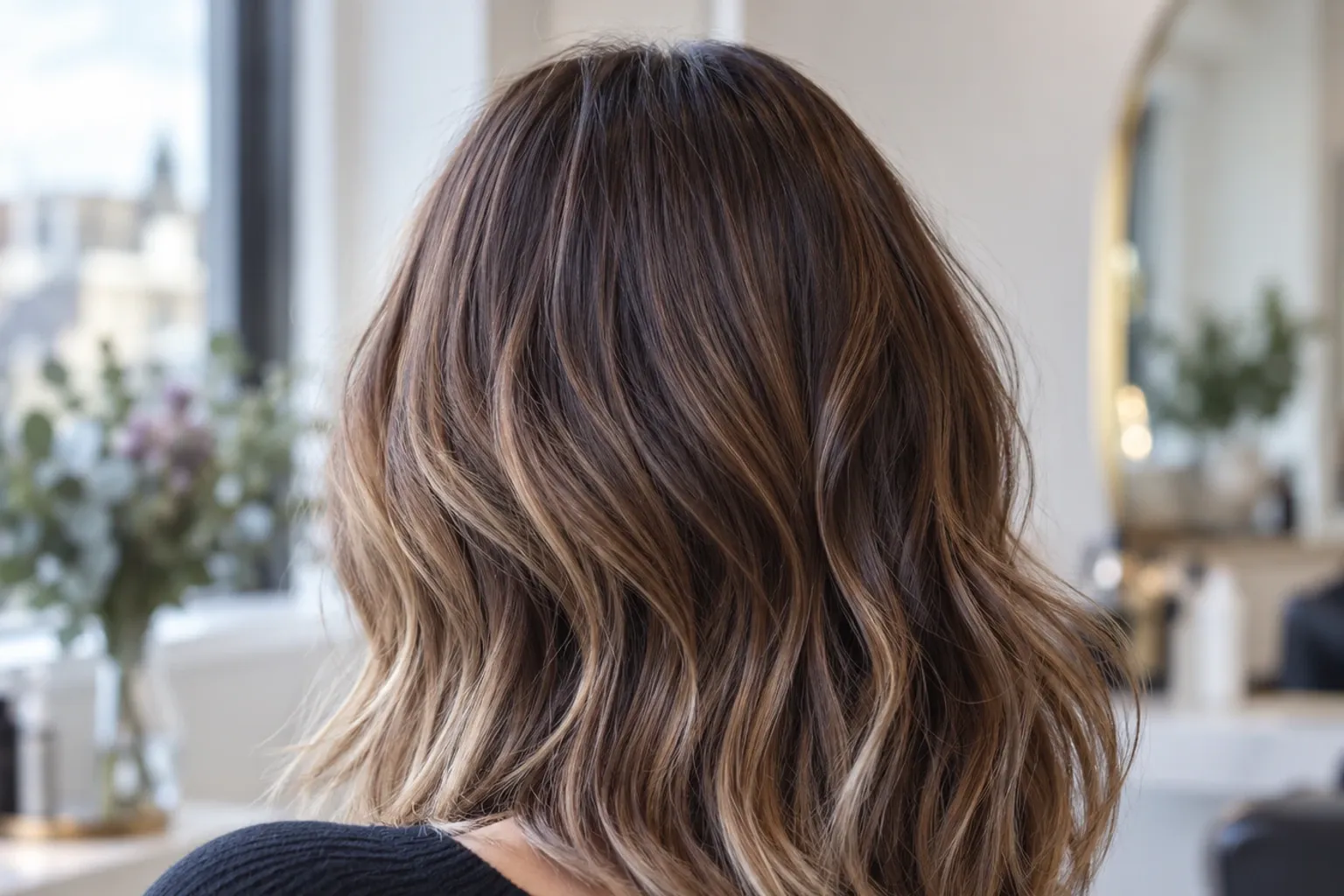
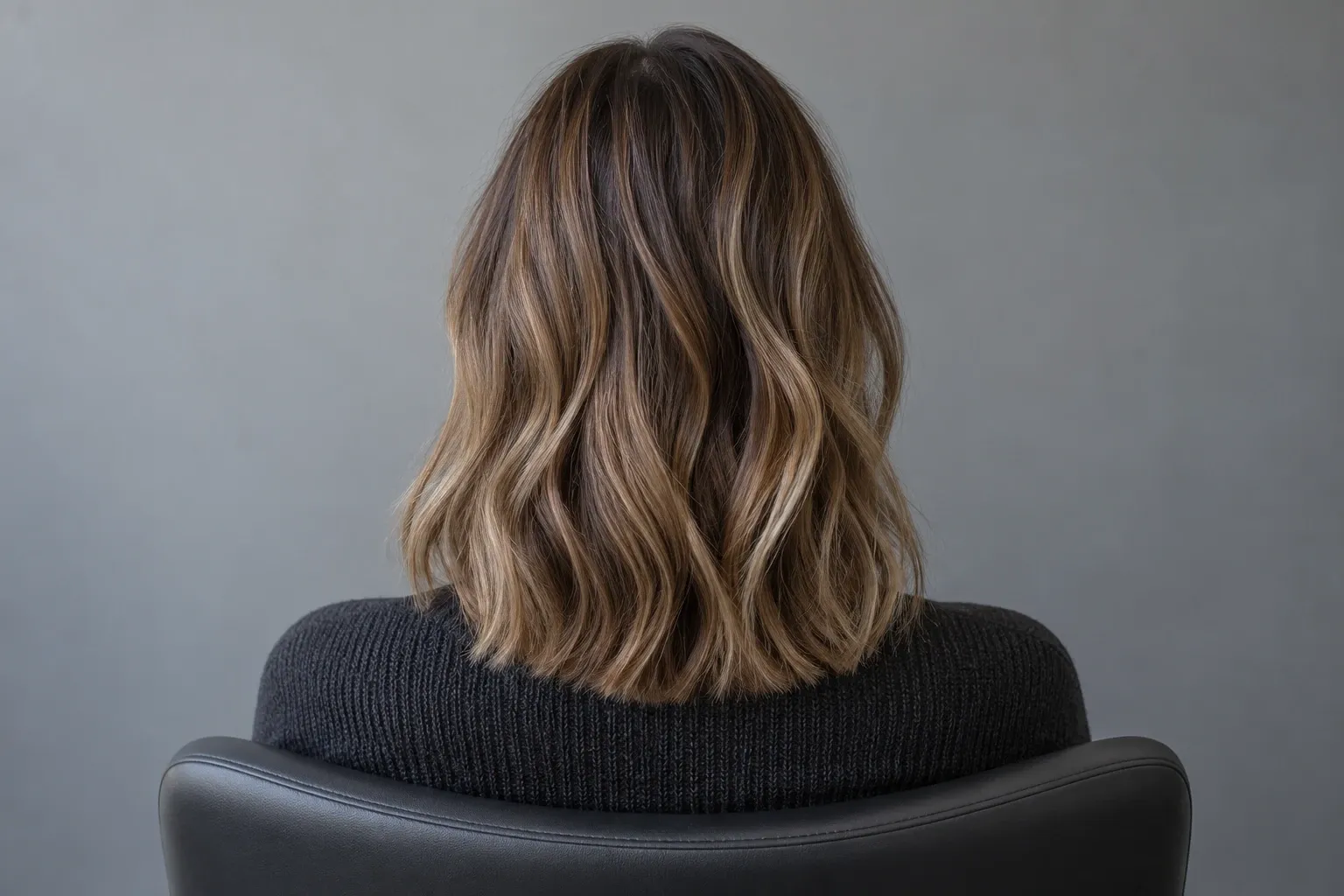
Your natural texture matters to the way you see the colour, too. Waves and curls can show dimension across bends and bends of light, while a smoother finish may make the overall shade look more continuous. If your hair is wavy, a routine that supports its natural shape can help you assess the colour in the texture you usually wear; care for your natural waves rather than judging only from a straightened reference photo.
What should you ask before choosing a colour service?
Ask the colourist to explain the proposed steps in plain language: whether the plan involves lightening, where colour will be applied and what sort of upkeep to expect. If your hair has been coloured before, say so even if the change seems old or has mostly grown out. Colour already on the hair can affect what a new service can achieve. A staged plan may be more appropriate than trying to reach a very different reference shade in one visit.
Talk about condition as well as appearance. If your lengths feel dry, fragile or prone to snapping, ask whether the planned process is suitable now and what alternatives would involve less change. Do not treat a strand test as a promise of the final result; it can help assess how a specific section responds, but the whole head may have different history or texture.
The word “copper” can also mean a temporary tint, a semi-permanent product, a permanent colour or a salon blend. These terms describe different kinds of service and products, so ask what is actually being used and how it is expected to change as it fades. If you are choosing an at-home kit, read its instructions fully and do not assume a shade on the box will look identical on your hair.
How can you keep the colour and hair in good condition?
Colour maintenance is a balance between the look you want and the condition of your hair. Build your routine around how often you wash, how your scalp feels and whether the lengths need extra conditioning, rather than adding many products at once. The hair care routine basics can help you make choices around your own hair type. A Gloucestershire Hospitals NHS Foundation Trust hair-care page advises using conditioner after washing and notes that heat from styling tools can weaken hair, so limiting high-heat styling is a sensible general care measure, especially when your lengths already feel fragile.
Ask your colourist what is appropriate for your particular service before using a colour-depositing shampoo, mask or home gloss. These products can shift the tone, and a warm copper may become more orange or red than you intended. Follow the product’s own directions, and stop if your scalp becomes irritated. Avoid assuming that a product labelled for coloured hair will maintain every copper shade in the same way.
Before any at-home colour, follow the instructions that come with that product, including its allergy alert test directions. The NHS explains that some permanent and semi-permanent dyes contain PPD, a chemical that can irritate skin or cause an allergic reaction; it advises against continuing with a product if a test causes a reaction. The NHS also says symptoms can take up to 72 hours to appear, so a test is not a reason to ignore later symptoms. If you have had a previous reaction, do not try to work around it by switching products without professional or medical advice.
How do you check whether the result is right?
Look at the colour in daylight as well as indoors, and give yourself a moment to see it with your usual parting and styling. Check whether the overall depth feels right, whether the copper looks more golden or red than expected, and whether the brighter areas sit where you wanted them. If something seems off, describe the specific mismatch rather than simply saying it is “too much”: for example, the colour looks too dark, too orange, or too uniform.
Ask what changes are possible without immediately repeating a chemical service. Your colourist can explain whether the tone can be adjusted, whether the result needs time to settle, or whether another approach is safer for your hair. For home colouring, do not add another product impulsively to correct a result; check the instructions or seek professional advice, particularly if you have irritation or unexpected damage.
A useful choice is one you can live with between appointments as well as on the first day. Before committing, make sure you understand the proposed shade, the process, the likely maintenance and what to do if you are unhappy with the result. That turns a reference photo into a practical plan for copper hair.
Frequently asked questions
Will copper hair work on dark brown or black hair?
It can, but the result depends on your starting colour and the method used. A copper tint over very dark hair may read as a subtle red-brown sheen rather than bright orange. A lighter result may require lightening first, which can affect the hair’s condition. Ask for a strand assessment and a realistic preview before agreeing to a full change.
Can I get copper hair without bleaching?
Sometimes. A colour deposited on lighter or already coloured hair may show copper without a separate lightening step, while dark hair may not become visibly bright with colour alone. Permanent colour does not reliably lighten previously coloured lengths. Ask a colourist what your current hair can achieve in one appointment, and whether a strand test is appropriate.
How do I make copper colour last longer?
There is no single schedule that suits every head of hair, since fading depends on the colour service, washing habits and condition of the lengths. Use a routine that leaves your hair manageable, limit unnecessary heat, and ask your colourist which products are compatible with your service. Plan a refresh based on what you see rather than a guaranteed interval.
Is a copper gloss the same as permanent colour?
No. The word gloss is used for different salon and at-home products, so check the product description rather than assuming it means one fixed formula. Ask whether it deposits colour, how it is expected to fade and whether it is suitable for your existing colour. A gloss may be a way to explore warmth, but it will not necessarily lighten dark hair.
Related reading