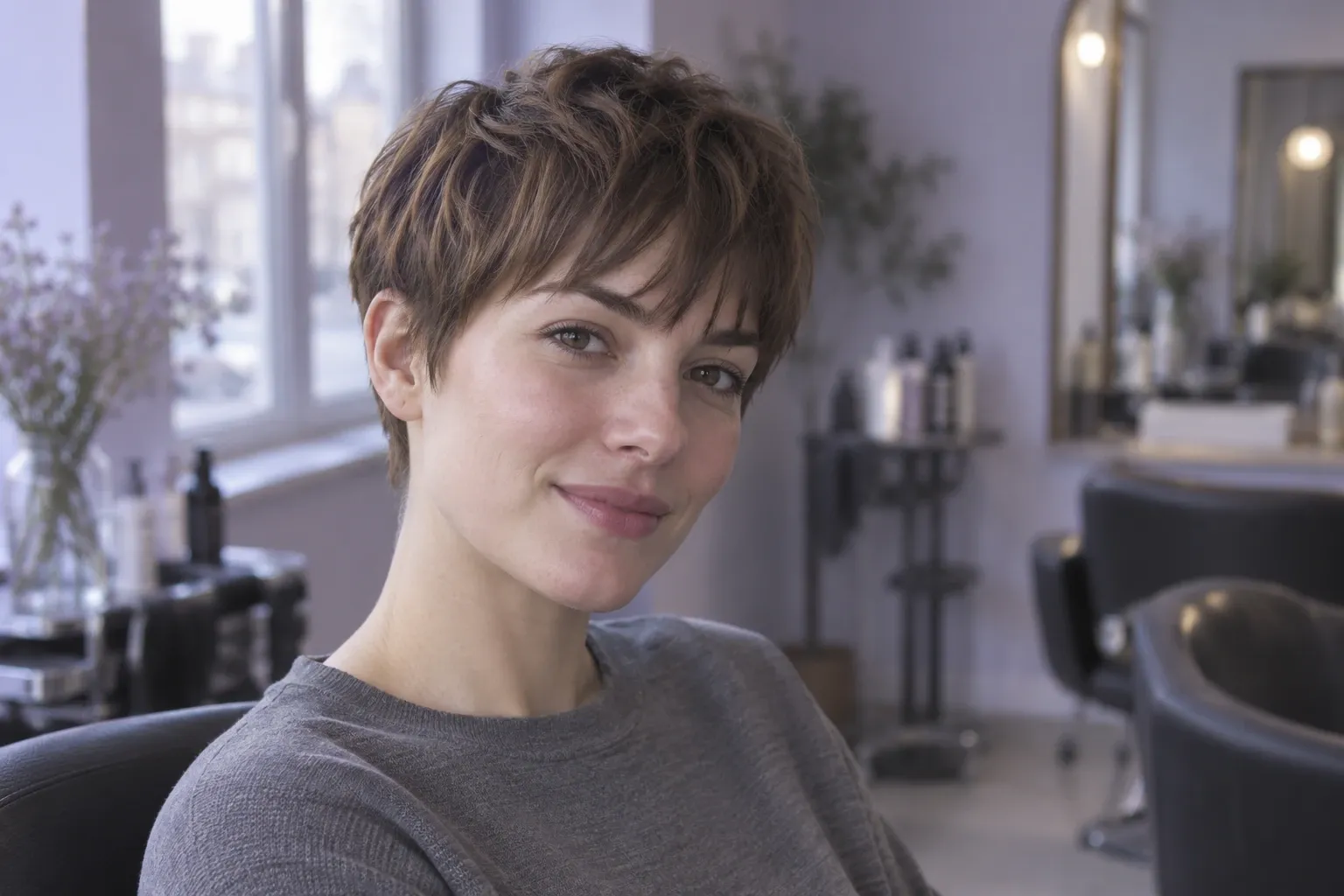
Peekaboo hair lets you choose when hidden colour shows
If you want a change that can stay discreet when your hair is down, peekaboo hair places contrasting colour beneath the outer layers. The right shade and panel depend on how you wear your hair, your starting colour and how visible you want the result to be.

You might like the idea of pink, blonde or blue in your hair, but not want it across the whole head. Peekaboo hair offers another option: colour sits underneath the surface layers, so the reveal changes as you move, part your hair or tie it up. That flexibility comes from placement, not from a guaranteed low-maintenance result. Your current colour, the shade you choose and whether the section needs lightening all matter. Think first about when you want the colour to show, then discuss how to achieve that effect and care for the coloured sections.
What makes peekaboo hair different?
Peekaboo hair is colour placed beneath the visible top layer, rather than spread throughout the hair as conventional highlights often are. When your hair hangs naturally, the upper layer partly covers the dyed section. Movement, a side part, a tuck behind the ear or an updo can reveal more of it. The effect can be a small, hidden accent or a prominent band of contrast; the name alone does not specify how much colour you will see.
A colourist may place a panel at the nape, beneath the sides, or across more of the underlayer. The precise location and size change the reveal. Nape colour may show most when you tie your hair up, while a panel nearer the sides can be visible when you tuck your hair back. L’Oréal Professionnel’s explanation of peekaboo placement describes underlayer colour as a way to keep the shade partly concealed. Treat that as a description of the technique, not a promise that every placement will be invisible when your hair is down.
How visible should the colour be?
Start with the moments you want the colour to appear. If you want a discreet detail, ask about a smaller section placed well under the outer layer. If you want the colour to show through when your hair is loose, discuss a wider panel or placement nearer the sides. Your parting, haircut, hair density and usual styling can all affect what gets covered. A fringe or layers may reveal different sections from a one-length cut.
Reference photos help, but make them specific: show the colour worn down as well as tied up, and point out how much of the coloured panel you want to see. Explain whether you usually wear your hair straight, wavy or curly. On wavy hair, bends can shift the way a hidden section appears. If you are weighing up a more blended, surface-visible colour technique instead, balayage for a softer, blended effect is a different option to discuss.
Which shade and technique suit your starting colour?
Choose the contrast as well as the colour name. A shade close to your base tends to read more subtly; a vivid or much lighter shade creates a clearer reveal. A photograph taken under bright salon lighting may look different from the same colour in everyday light, so ask how the proposed shade is expected to look in both.
Whether the selected hair needs lightening depends on your starting colour and the target. If you want a bright shade on dark hair, ask whether pre-lightening is likely and what that process means for the condition of the section. Previous dye, especially darker artificial colour, can change what is possible. The American Academy of Dermatology advises choosing a dye within three shades of your natural colour for less damage, and notes that going more than three shades lighter requires stronger peroxide and can cause more damage. That general advice is not a formula for vivid peekaboo colours, but it is a useful reminder to discuss the trade-off before choosing a dramatic light result. Read its dermatologists’ hair-colouring guidance alongside advice based on your own hair.
Ask what will happen to the coloured section, rather than assuming the whole head will be treated alike. Check whether the plan involves bleach or another lightening method, how the colour will be applied and what upkeep the selected shade may need. The goal is to agree on the placement, visibility and realistic colour before the process begins.
What should you discuss before colouring?
Tell the colourist about your hair’s history, including home colour, previous lightening and any recent colour correction. Mention scalp sensitivity or a past reaction to hair dye. If the colour needs lightening, ask how the condition of that section will be assessed and whether the desired shade is realistic in one appointment. It is reasonable to choose a less contrasting shade or a smaller panel if you do not want the proposed degree of processing.
Follow the product instructions and the salon’s safety advice for the specific colour being used. The NHS advises testing dye on a strand of hair at least 48 hours before use and notes that a reaction can take up to 72 hours to appear. A strand test checks how the hair responds to the colour; it is not the same as a skin allergy test. The NHS also says to stop using dye if you react after a test, and identifies 999 as the number to call for symptoms such as difficulty breathing or sudden swelling of the mouth or throat. Its hair dye reaction advice explains the symptoms and what to do.
If you have scalp eczema or a history of irritation, be especially cautious about colour and bleach. Gloucestershire Hospitals NHS Foundation Trust says hair colouring can irritate people with eczema and that bleaching can damage the hair shaft, causing breakage. Its patient information describes a skin test left for 48 hours, but product instructions may differ, so follow the directions for the colour being used and do not treat a test as a guarantee against a reaction. Read the trust’s advice on scalp eczema and hair colour if this is relevant to you.
How can you judge the result?
Check the colour in the styles you actually wear. Look at it with your hair down, then try your usual parting, a tuck behind the ear and any updo you wear regularly. See whether the panel is more exposed than you wanted, or hidden when you hoped it would show. If it does not match the agreed plan, explain what you notice before attempting to add more colour yourself.
Over the following days, pay attention to both the hair and your scalp. Follow the colour product’s aftercare instructions, and keep the care routine comfortable for your hair and skin. The trust’s general hair-care advice recommends using conditioner after washing and limiting high heat because heat can weaken hair. If lightening has left the coloured section feeling fragile, ask for advice before using more chemical treatments or frequent high-heat styling.
Peekaboo hair is best planned as a placement choice, not simply a colour choice. Agree how much should show, where it should sit and whether lightening is needed; then judge the result in your usual hairstyles. For brunette hair, brown hair with blonde highlights offers another way to think about contrast and placement.
Frequently asked questions
Does peekaboo hair work on dark hair?
Yes, but the result depends on the shade you want and your colour history. A deeper red or similar tone may need less lightening than a bright pastel or pale blonde. Dark artificial dye can also affect what is achievable. Ask a colourist to assess your hair and explain whether lightening is needed before you settle on a reference image.
Can I get peekaboo hair without bleach?
Sometimes. A shade close to your existing colour may show without pre-lightening, while a vivid or much lighter result on dark hair may need it. There is no single answer for every head of hair: natural colour, previous dye and condition all affect the process. Ask which parts would be lightened and what alternatives would create a softer contrast.
How long does peekaboo colour last?
There is no fixed lifespan for every peekaboo result. It depends on the dye used, the shade, how often you wash your hair and whether the section was lightened. The hidden placement may make new growth less obvious than colour at the hairline, but vivid shades can still fade. Ask your colourist what upkeep to expect for the specific product and shade.
Is peekaboo hair suitable for wavy hair?
It can be, but waves affect how the coloured section appears: bends and movement may reveal it differently from a smooth finish. Show your colourist how you usually wear your hair, not just a straightened reference photo. For day-to-day care, build your routine around your texture and needs, using the advice in [a hair care routine that suits you](/hair-advice/) as a starting point.
Related reading
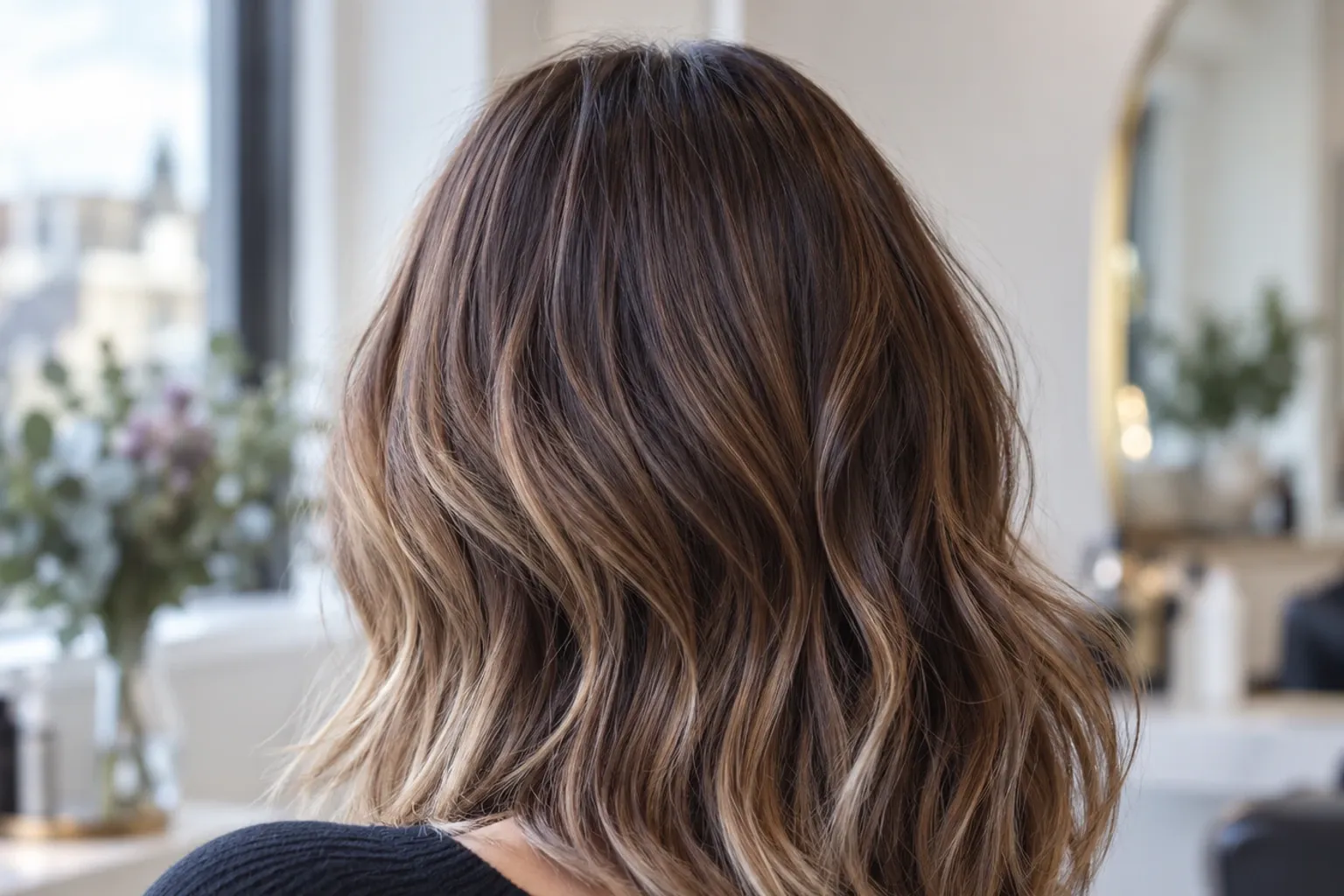

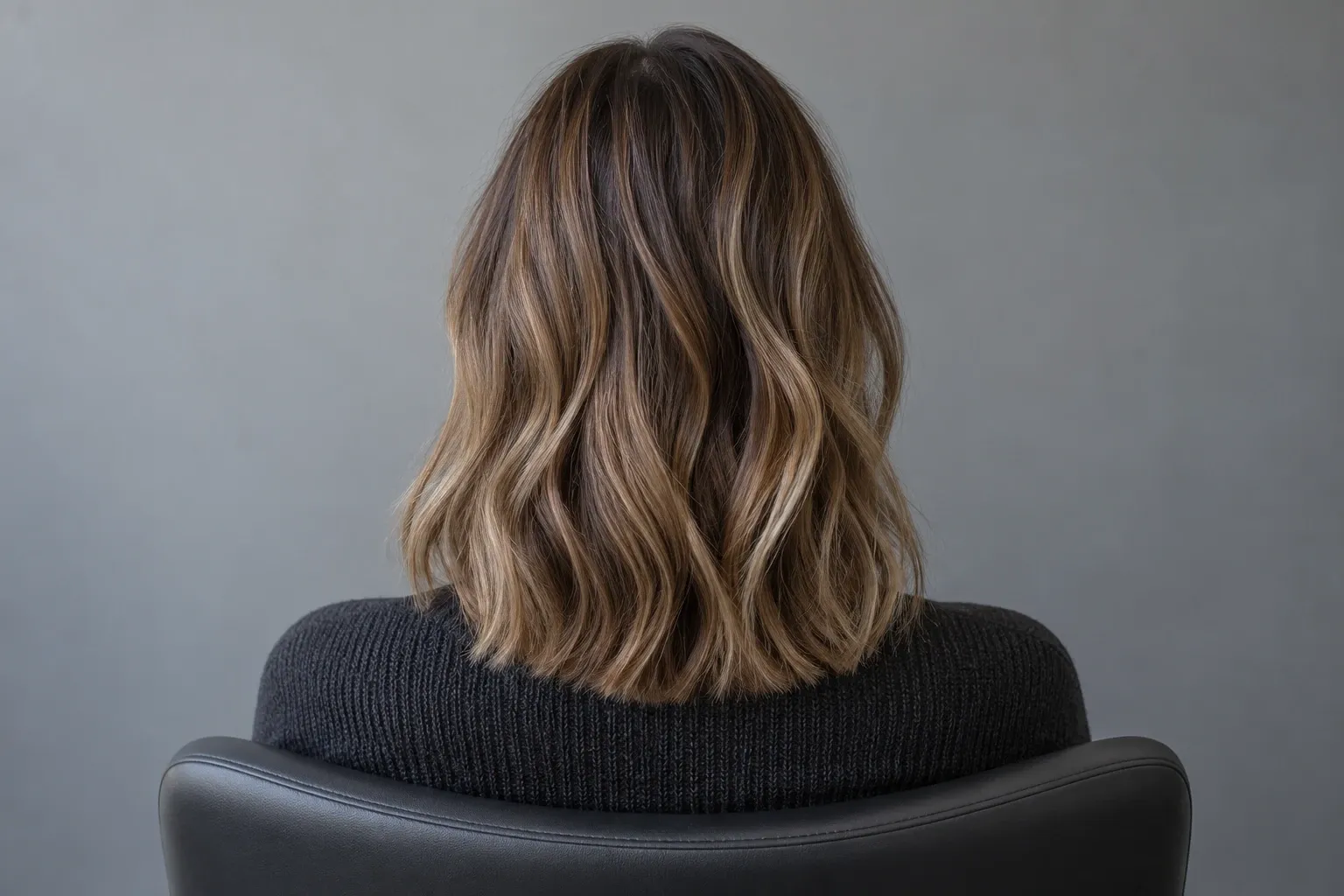
Brown hair with blonde highlights: choose a shade and placement that suits you
Read more →