The hair accessories that actually help your hair look and feel better
Which hair accessories are worth buying, and for what hair?
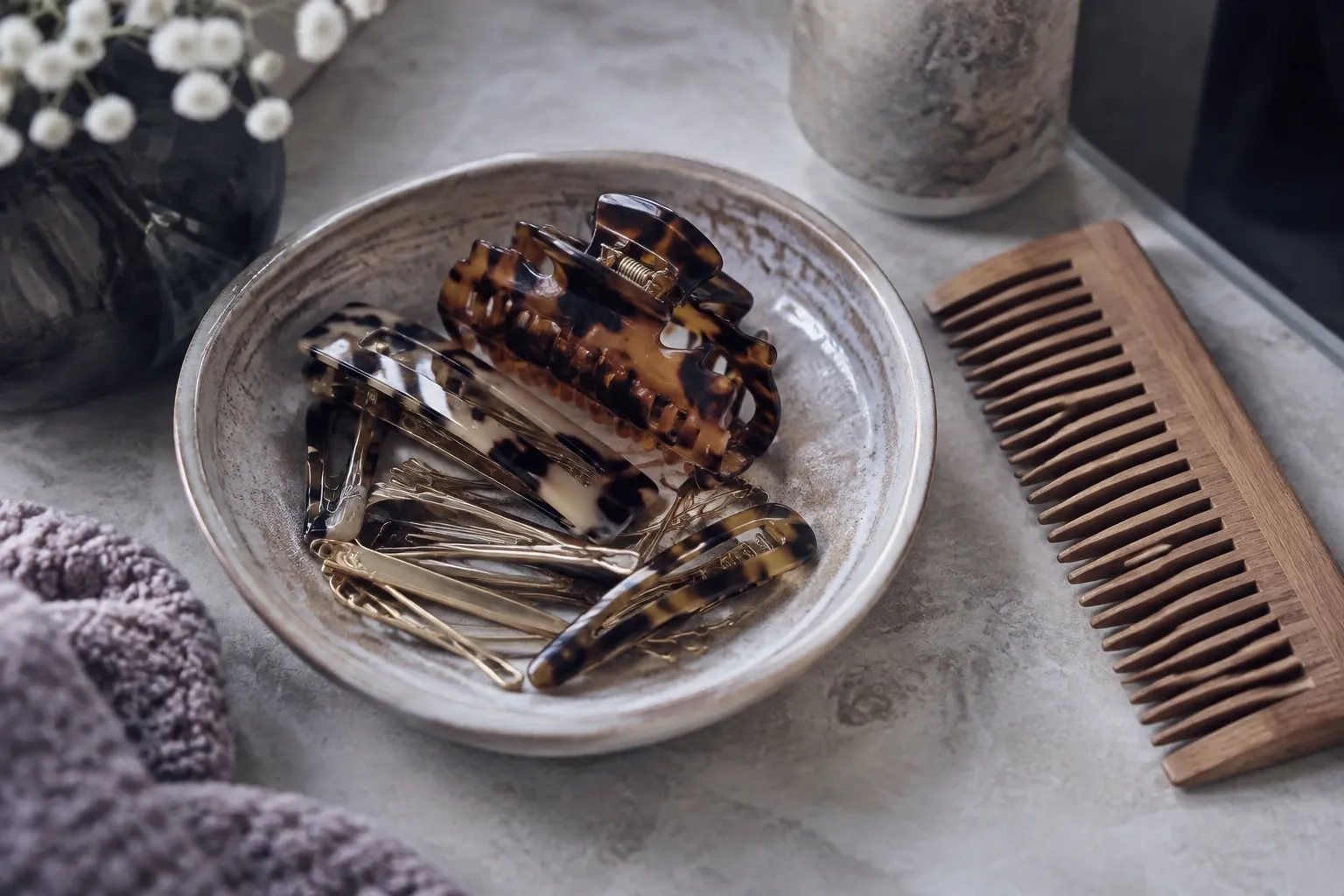
You want accessories that hold, flatter and don’t wreck your hair. The trouble is, most drawers are full of clips that pinch, elastics that snag and bands that slide out. This page is your map. You’ll learn how to match accessories to your hair type, when to pick grip over stretch, which materials are kinder to skin and strands, and how to use heat tools and extensions without avoidable damage.
What do you want an accessory to do?
Start with the job. Do you need hold for work, comfort for a long commute, a quick way to smooth flyaways, or hair volume for an event? Your answer decides between grip (claw clips, pins), stretch (elastics, scrunchies), structure (headbands, slides) or added hair (extensions). If you’re mainly chasing a sleeker finish, a heat tool may be the better “accessory” for you; see our guide to the best hair straighteners in the UK.
How to choose without damaging your hair or skin
- Limit constant pull. Dermatologists warn that regularly wearing styles that tug—tight ponytails, braids or extensions—can contribute to traction alopecia; vary placement and ease tension to protect your hairline, according to the American Academy of Dermatology.
- Match heat to hair. If you use straighteners, choose the lowest temperature that achieves the look and favour tools with accurate, even heat and plate width suited to your hair, guidance echoed in Which? buying advice.
- Watch your scalp and skin. Nickel and some other allergens in metalwork can trigger contact dermatitis; if you’re sensitive, opt for coated metal or acetate and seek patch testing via a clinician, says the British Association of Dermatologists.
- Spot early warning signs. NHS patient information notes that frequently pulling styles can cause soreness and thinning around the hairline; changing styles and reducing tension helps to prevent worsening traction alopecia, according to a UK hospital leaflet.
Clips, slides, elastics, bands or extensions: which suits which hair?
- Claw clips: Great for medium to thick hair. Choose larger clips with strong springs and smooth teeth. For fine hair, look for matte or textured finishes that add grip.
- Hair slides and barrettes: Best for controlling face‑framing sections or half‑ups. Wider, gently curved slides distribute pressure; see how to place them in our piece on hair slides.
- Elastics and scrunchies: Use fabric‑covered elastics that glide rather than bite. For thick or curly hair, larger scrunchies reduce denting; for fine hair, slim elastics or a small coil can hold without slipping.
- Headbands: For comfort, look for padded ends and flexible bands. Textured inner surfaces help fine hair; wider bands tame thick or curly hair.
- Extensions for volume or length: If you want change without commitment, clip‑ins add density where you need it and remove easily; start with our guide to clip‑in hair extensions. A single‑wire piece can be faster and gentler on busy mornings—learn how to size and blend in halo hair extensions.
Make the choice work day to day
- Fit first. A clip or headband that pinches will be the one you abandon. Test at home for an hour before wearing out; if you feel pressure points, size up or change shape.
- Place smartly. Rotate ponytail height (nape, mid, crown) through the week to avoid constant stress in one spot, in line with dermatology advice on reducing traction.
- Heat with care. If you straighten, work in small sections, detangle first, and use a heat protectant. Tools with accurate temperature control and plate width matched to your hair reduce repeat passes, a point stressed in Which? guidance—and you’ll find our editor’s picks in best hair straighteners in the UK.
- Care for added hair. Gentle brushing from the ends up and correct storage make extensions last. For washing routines and what to avoid, bookmark our hair extensions care checklist.
How to tell if an accessory is serving you
- Comfort check: No headache, no sore spots, no scalp tenderness after removal. If any appear, loosen the style or change the tool; persistent tenderness around the hairline is a red flag for traction—see the NHS leaflet for early steps to take.
- Strand check: Minimal snagging when you remove the accessory. If hairs catch, switch to smoother finishes or fabric‑covered options and avoid damaged teeth or seams.
- Skin check: Any itching or rash where metal touches skin warrants switching materials and, if it persists, clinical advice; the British Association of Dermatologists explains how patch testing can confirm a contact allergy.
- Style check: The accessory achieves the hold you wanted without extra pins or repeats. If you’re reheating sections multiple times to get a result, revisit temperature accuracy and plate width as flagged by Which?.
When you choose by job, material and comfort—and keep an eye on early warning signs from your scalp and strands—you’ll end up with a small kit that you actually use and trust, from the right slide to a gentle wire halo and a well‑set straightener.
Frequently asked questions
Are claw clips better than hair ties for thick hair?
Often, yes. A large, strong claw clip spreads the weight of thick hair so one small point isn’t under constant tension. Use a clip with smooth, rounded teeth and avoid forcing too much hair into a small clip; if it gapes, size up. Swap styles through the week so the same hairs aren’t stressed every day.
Can metal hair clips trigger a skin reaction?
If you’re sensitive to certain metals, direct contact can trigger itching or a rash where the clip touches your skin. Look for coated metal, plastic, acetate or fabric‑covered options, and keep metal away from broken skin. If you suspect an allergy, talk to a GP or dermatologist for patch testing.
How tight is too tight for ponytails or extensions?
If you feel scalp soreness, a headache that eases when you let hair down, or see little broken hairs along your hairline, the style is too tight. Loosen the style, change placement and rotate looks through the week. Persistent tenderness or thinning around the edges is a sign to rest the area and seek advice.
Can I use a straightener if I wear clip‑in or halo extensions?
Yes, but protect your own hair first and keep heat moderate. Style extensions off your head when possible, avoid clamping heat on attachment points, and use the lowest effective temperature. Always follow the maker’s care instructions and brush gently from the ends upward.
Articles in this section Hair Accessories
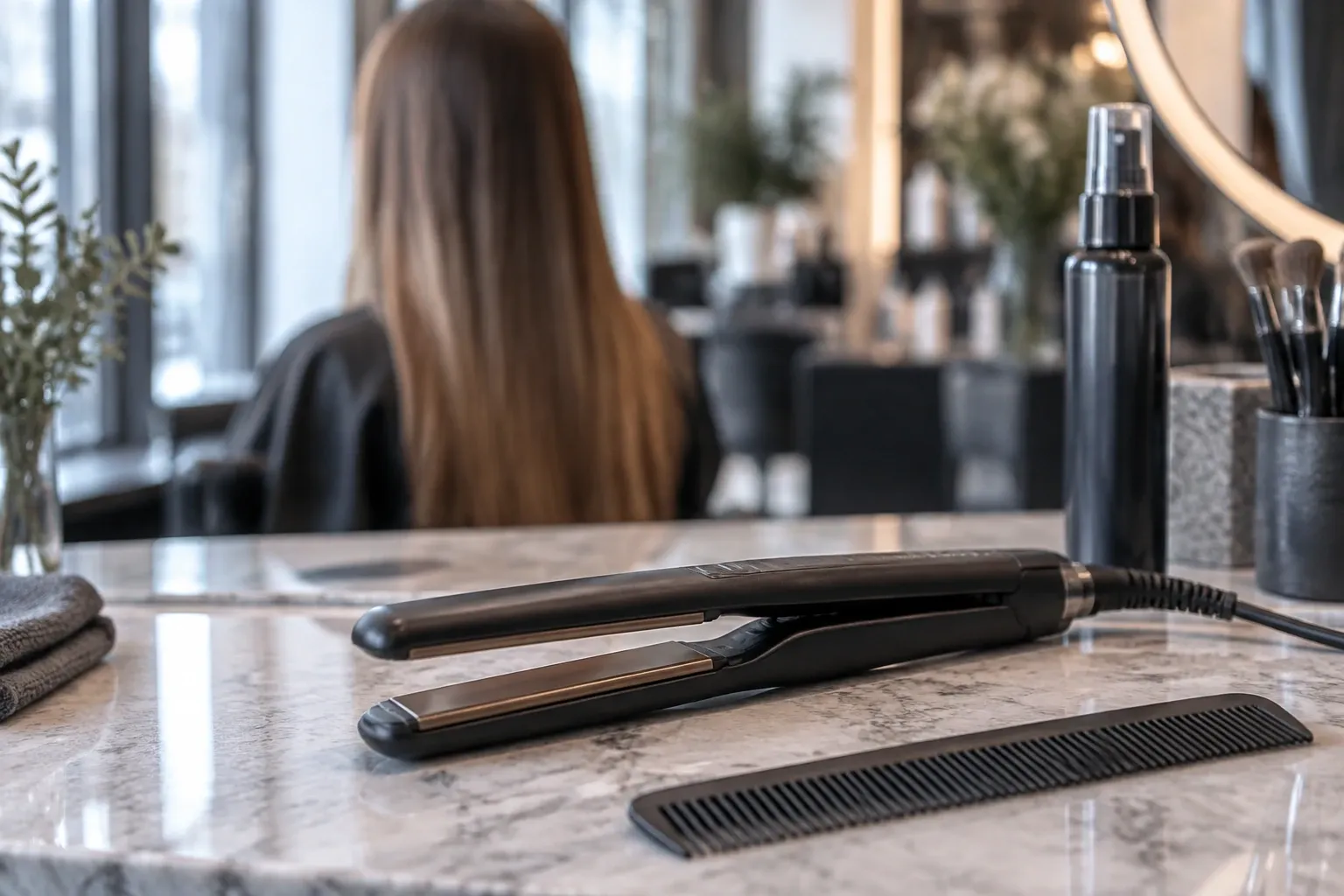
How to pick a straightener that suits your hair and budget
Best hair straighteners UK: the key specs, safe temperature ranges, and features that matter so you can match a styler to your hair type and budget.
Read more →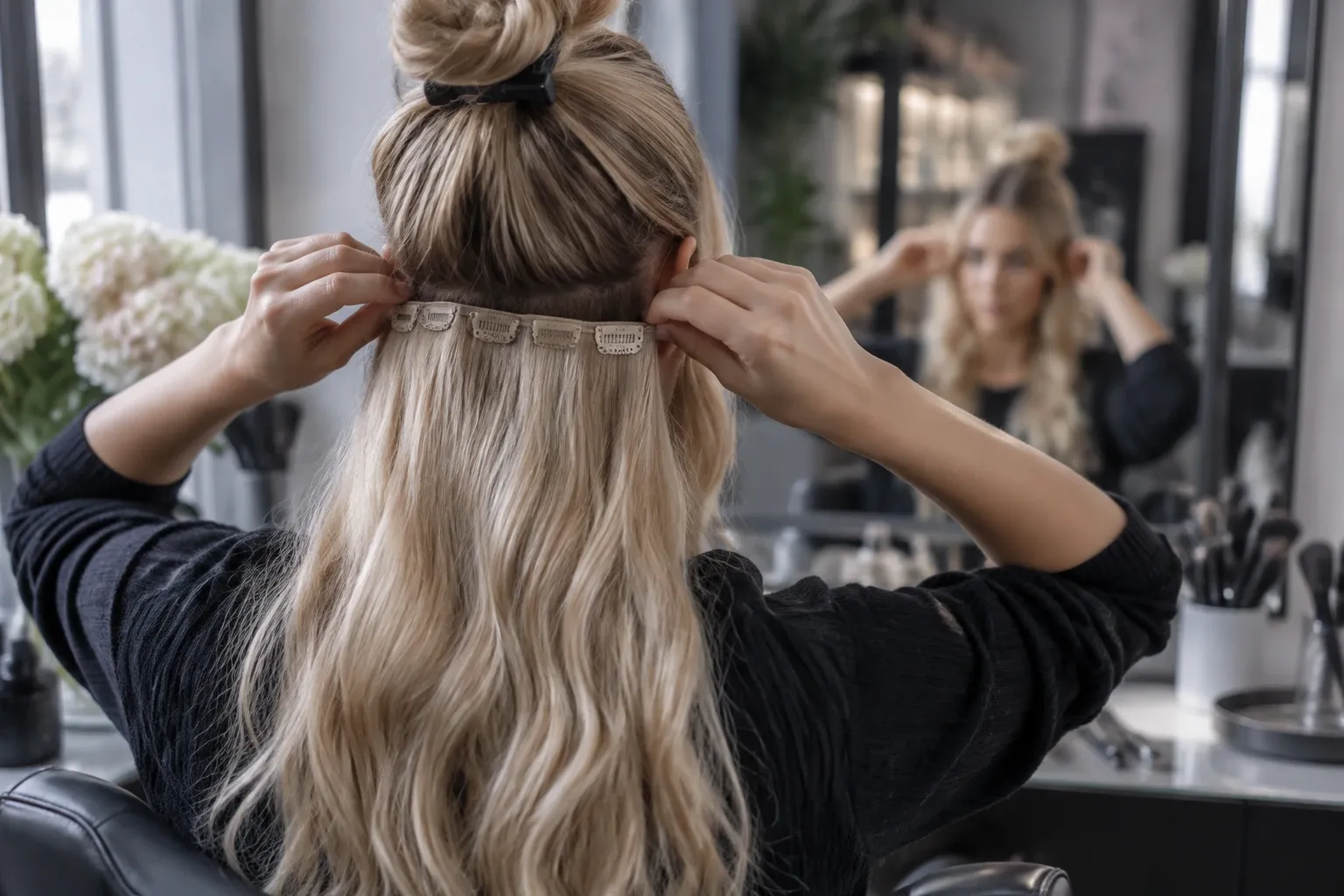
What clip‑in hair extensions can do for your hair, and how to use them well
Clip in hair extensions: learn which type to buy, how to fit them without strain, and the care rules that keep your scalp comfortable and your hair healthy.
Read more →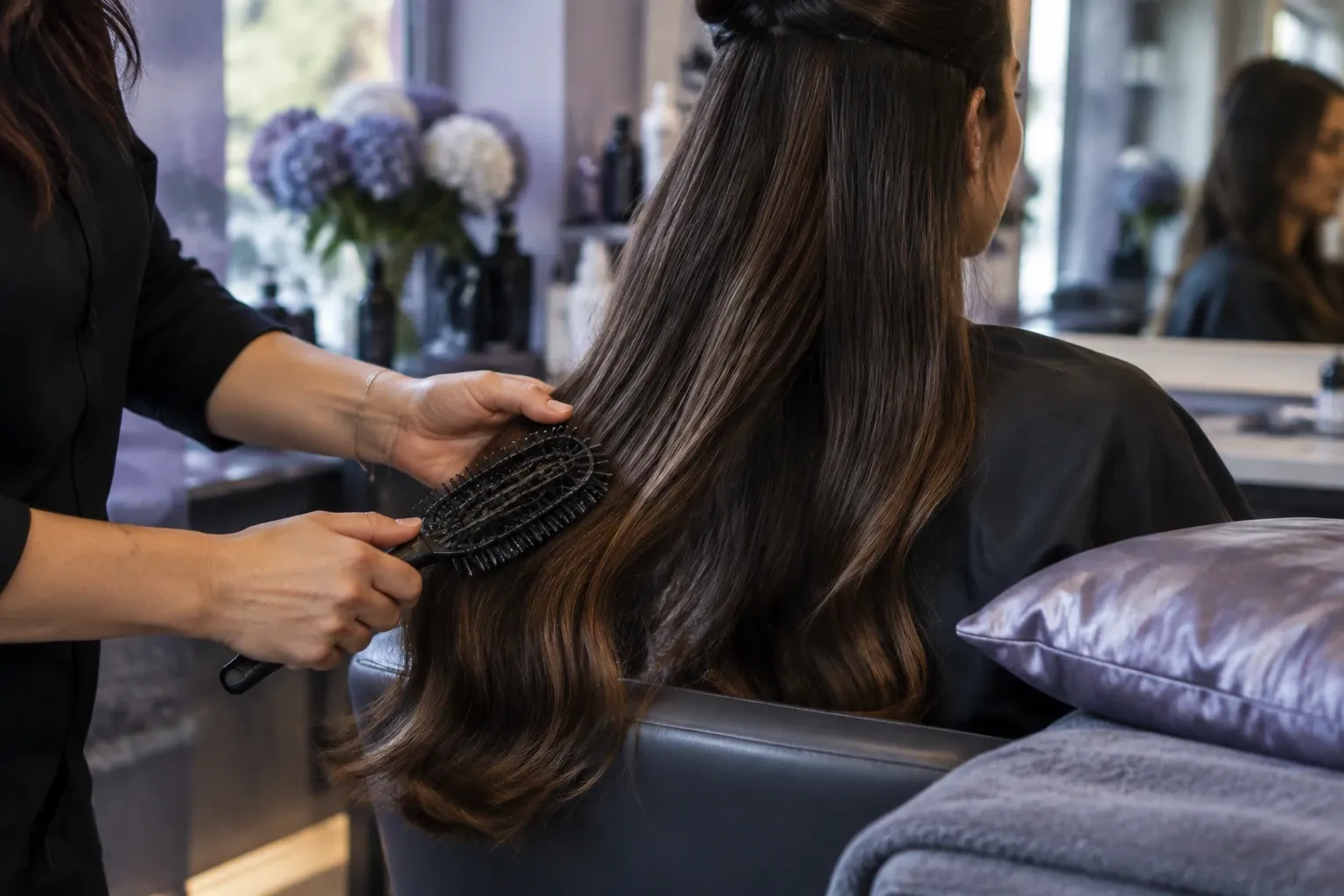
Keep extensions looking good without wrecking your hair
Hair extensions care: how to wash, dry, brush, sleep and style so your bonds last without harming your own hair. Clear steps, risks and red flags.
Read more →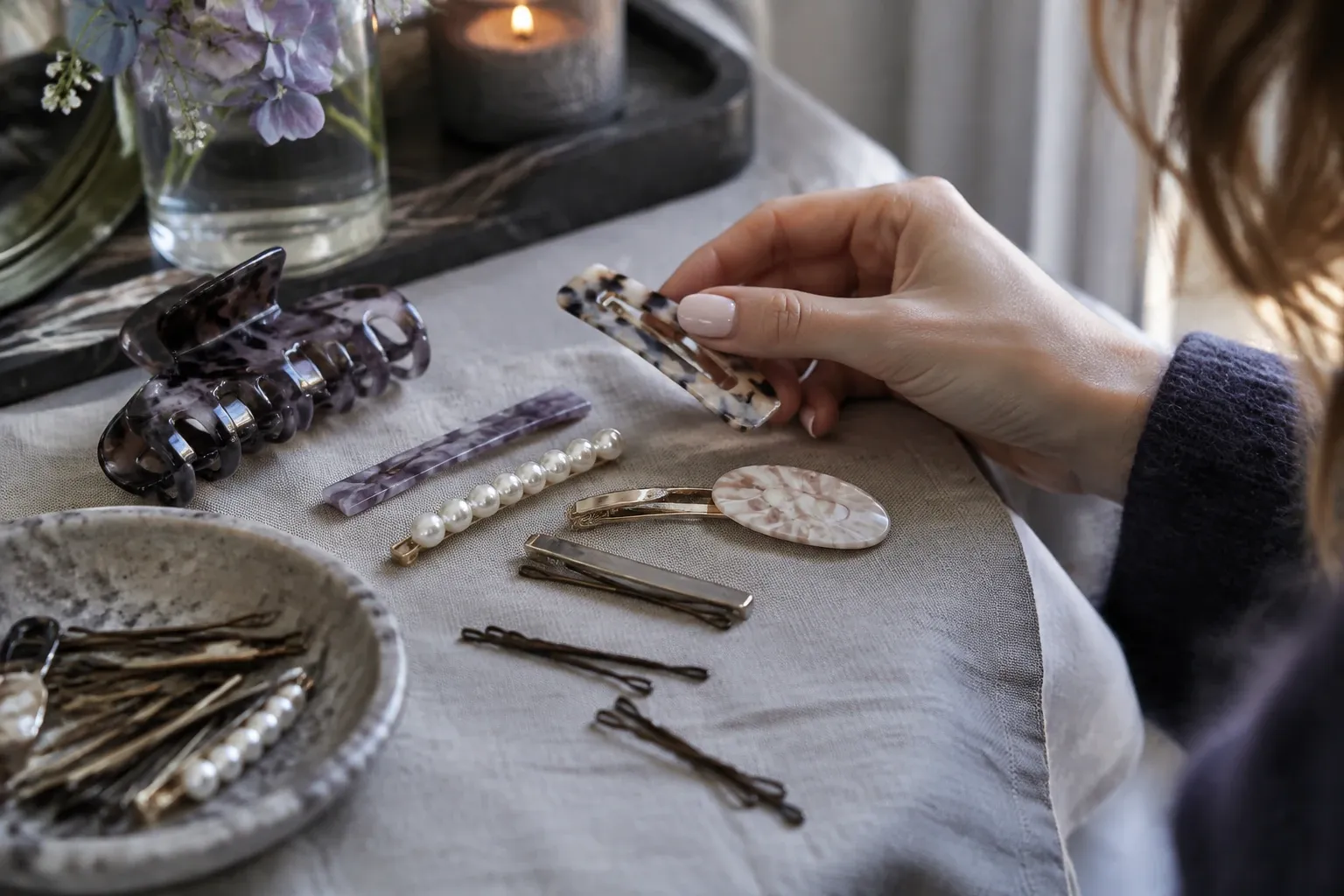
Choose hair slides that hold and don’t snag
Hair slides: learn which clips suit fine, thick or curly hair, how to avoid breakage and nickel allergy, and how to place them so they hold all day.
Read more →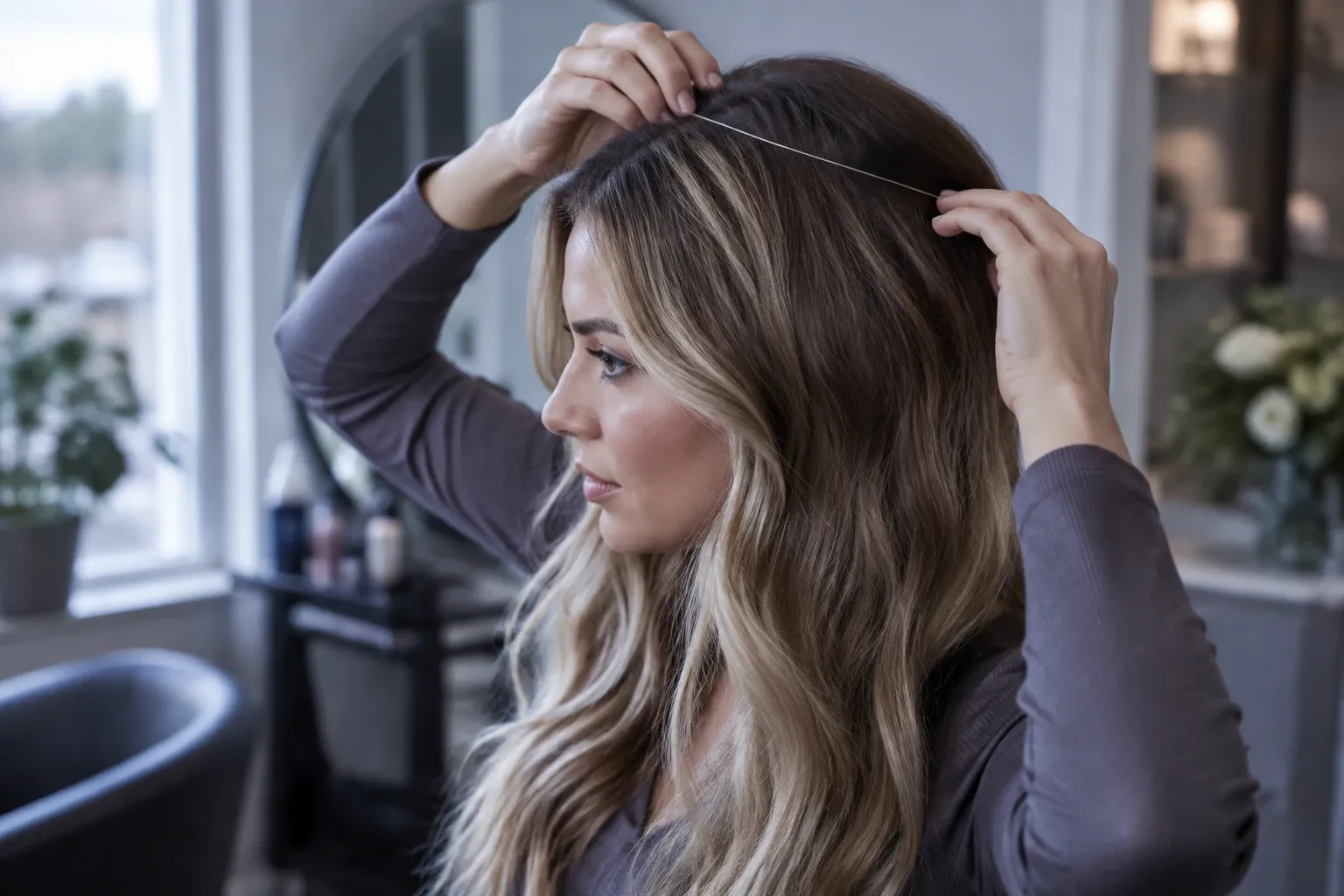
Halo extensions you can put on, blend and take off in minutes
Halo hair extensions made simple: what a halo is, who it suits, how to choose weight and colour, how to fit it neatly and check for scalp comfort.
Read more →