Pick curly hair products that suit your pattern, porosity and routine
You want curls that feel soft, defined and lasting, without buying a shelf of bottles you’ll never finish. Here’s how to choose curly hair products in the UK and put them to work with a simple routine.
If your curls spring back in the salon but flop at home, the issue is rarely “bad hair” — it’s a mismatch between products, technique and what your curls actually need. Before you spend more, you can read the label for clues, match textures to your curl pattern and porosity, and set a routine you can keep. Below you’ll find practical criteria, how shampoos, conditioners and stylers differ, and a test plan to check what really works for you.
What do curls need day to day?
Curls tend to lose moisture faster because bends make it harder for scalp oils to travel down the hair. Dermatologists recommend a routine built around gentle cleansing, ample conditioning and low‑tension detangling for curl and coil patterns, with a moisturising shampoo and leave‑in where needed, plus tools like a wide‑tooth comb and a diffuser on low heat (American Academy of Dermatology).
If you’re new to routines, start with one cleanser, one conditioner and one styler. You can build the rest from our section guide on hair care routine.
How do you read a UK label so you buy what you need?
- Look for the ingredient list (INCI). It’s there so people with known allergies can check contents on pack; UK law also requires a named Responsible Person with a UK or EU address (UK government guidance on cosmetics).
- INCI names are standardised across Europe and the UK; common fragrance allergens must be named on pack when above set thresholds (British Society for Cutaneous Allergy note on INCI and fragrance allergens).
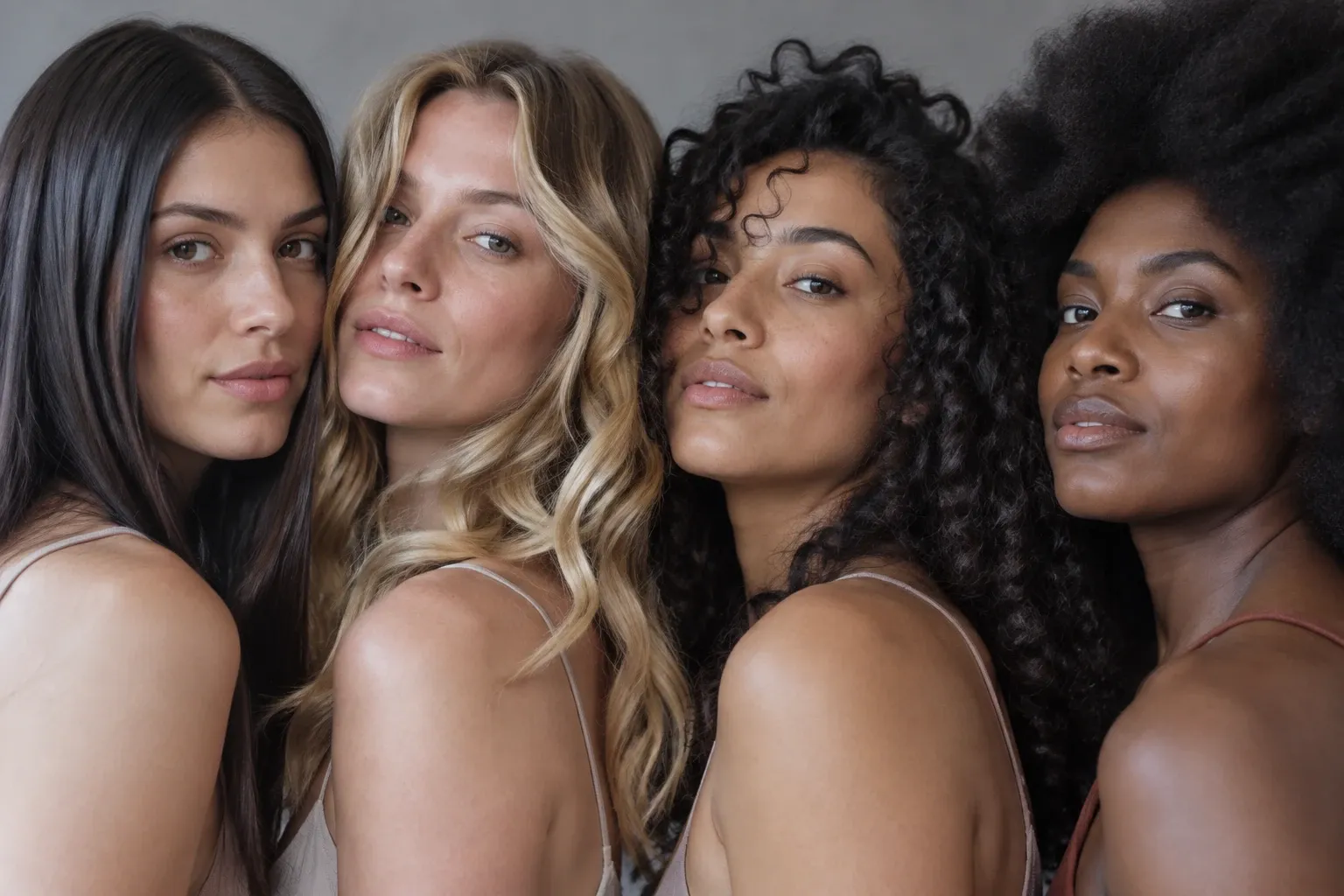
- Match texture to your hair: lighter gels and milks for looser curls, richer creams and butters for tight coils. If you’re unsure of your pattern, our short hair type chart can help you describe it.
Shampoo, co-wash or both?
- Choose a moisturising shampoo formulated for curly hair. Wash less often if your hair is dry or damage‑prone, and more often if your scalp feels oily or itchy.
- For Afro‑textured hair, dermatologists in the UK advise washing every 1–3 weeks as part of a basic routine, then conditioning, detangling carefully and applying a leave‑in (British Association of Dermatologists).
A co‑wash (cleansing conditioner) can help on in‑between days for very dry hair, but you’ll still want a proper shampoo in your month to clear buildup. Use how your scalp feels — not the calendar — to decide when it’s time.
Conditioner and leave‑in: non‑negotiable for curls
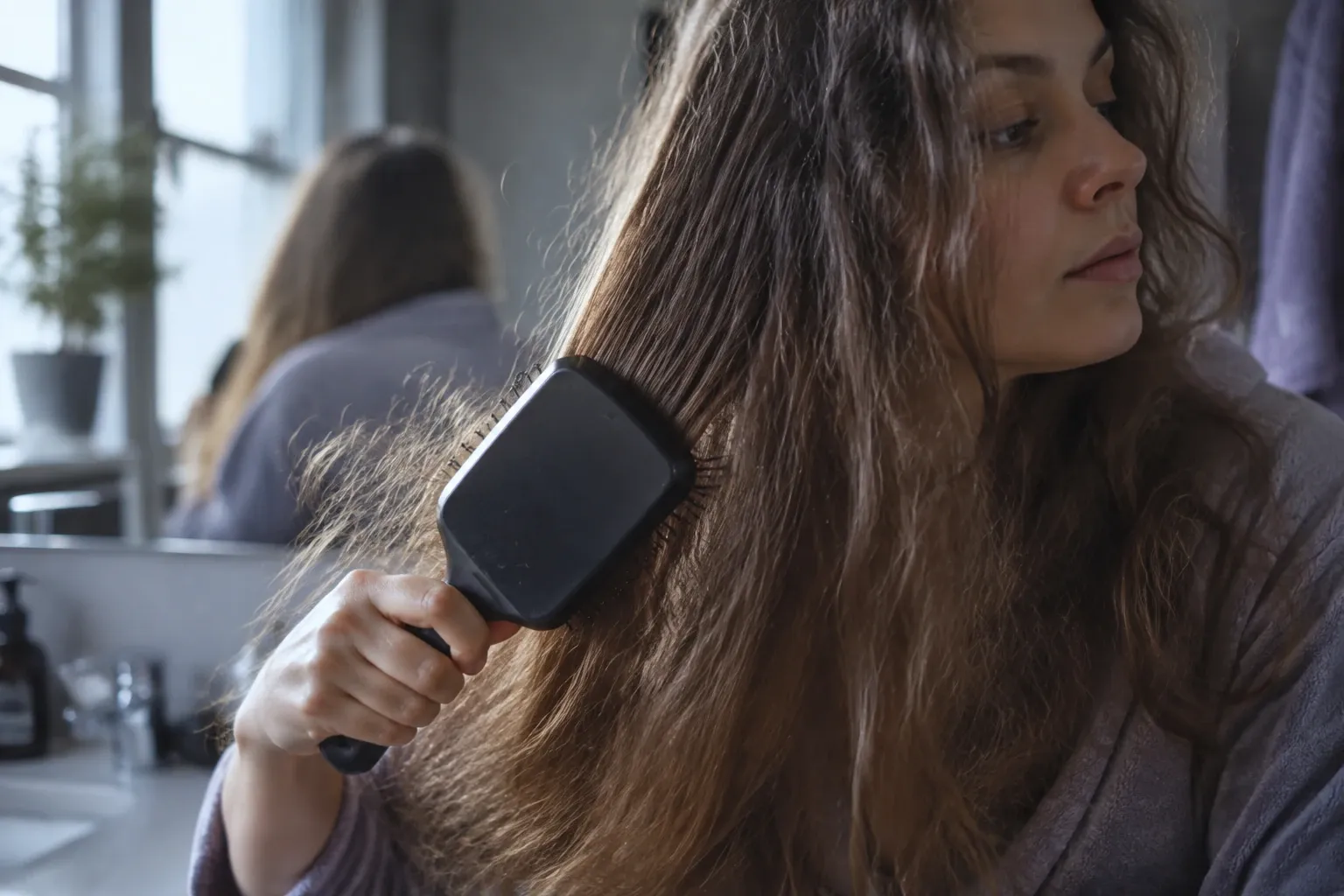
Use a rinse‑out conditioner every wash; it reduces friction and helps detangle. Detangle with your fingers or a wide‑tooth comb rather than a fine brush to lower breakage risk (Gloucestershire Hospitals advice).
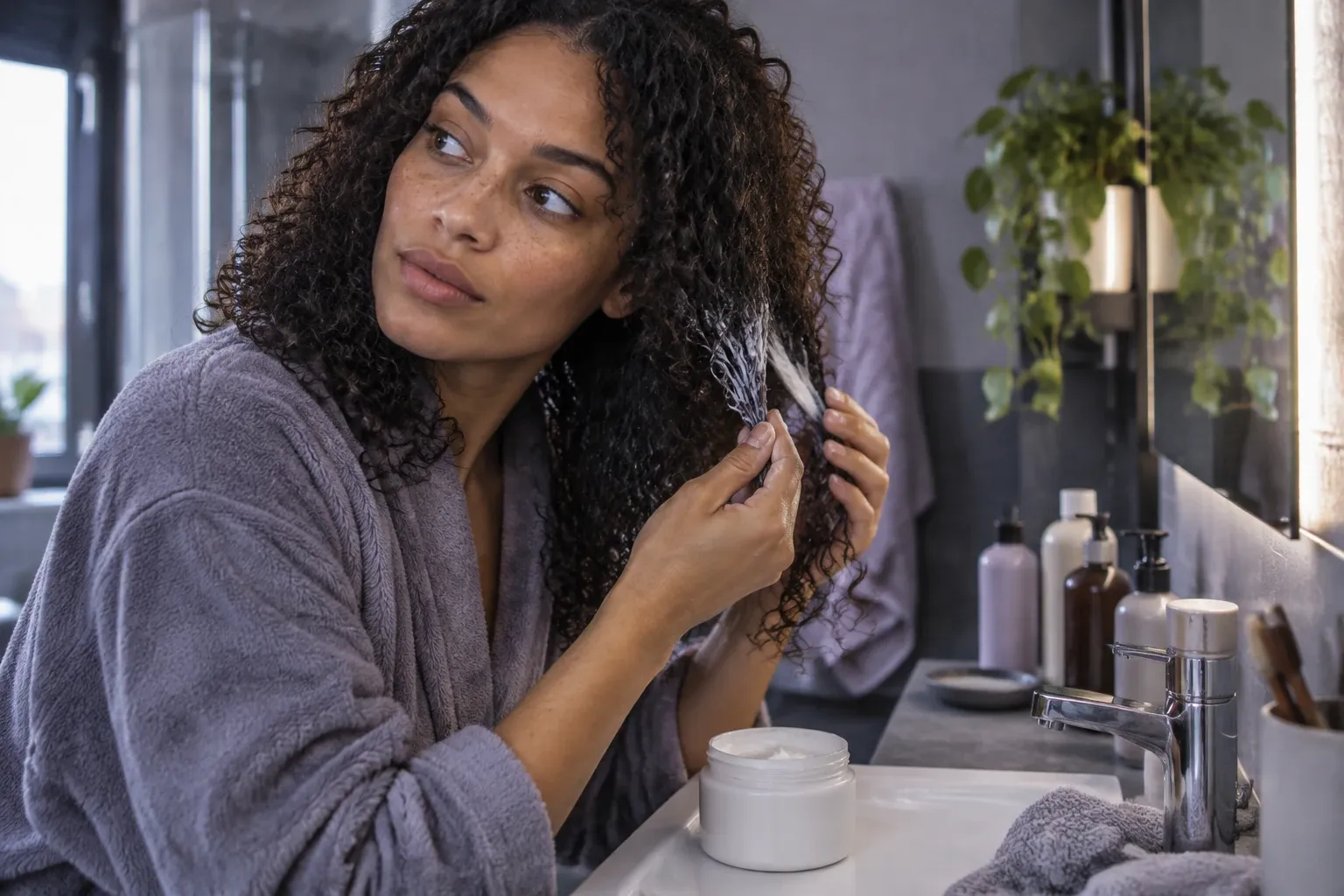
Leave‑in conditioner adds slip and ongoing moisture — particularly useful for coils. UK dermatology guidance includes leave‑in as a core step for Afro‑textured hair.
Gels, creams and mousses: how to choose a styler
- Pick by hold and humidity: gels generally set definition and reduce frizz; creams add softness and weight; mousses add airiness. Apply on wet hair, then scrunch or coil and let a cast form before you scrunch it out once dry (SOTC) — a common technique endorsed in dermatologist tips for curly and coily hair.
- If you like humectants, glycerin is a widely used cosmetic humectant and hair‑conditioning agent, with a long safety record in rinse‑off and leave‑on products (Cosmetic Ingredient Review on glycerin).
A simple, testable routine you can keep
Try this for two to four wash cycles:
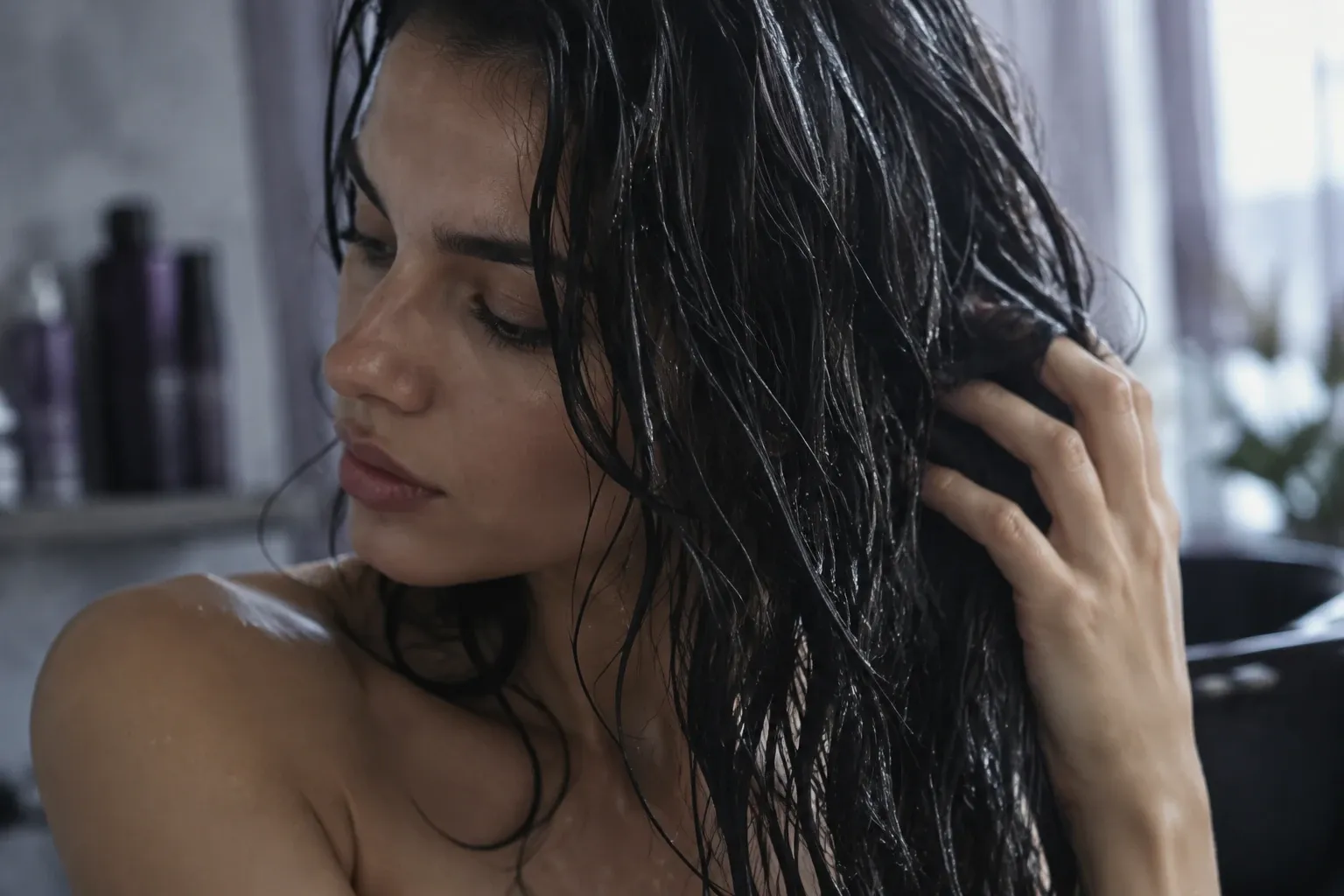
- Cleanse: massage a small amount of moisturising shampoo at the scalp; let the lather run through lengths.
- Condition: work rinse‑out conditioner through sections; detangle with fingers or a wide‑tooth comb.
- Leave‑in: apply a light layer to damp hair.
- Style: gel for definition, cream for softness, or layer both (cream first, gel second). Air‑dry or diffuse on low.
These steps reflect dermatologist guidance to pair gentle cleansing with conditioning and low‑tension handling for curls and coils (American Academy of Dermatology; British Association of Dermatologists).
Sensitive skin or a past reaction? Check before you switch
If you’ve reacted to fragrance or a preservative before, use the INCI list on UK packs to avoid known triggers; fragrance allergens are named when above specific thresholds. Every cosmetic legally sold in Great Britain must provide ingredients and a Responsible Person’s contact, which you’ll find on the label.
How to tell a product is working
- Wash‑day feel: hair detangles more easily in the shower and sheds fewer long strands.
- Dry‑down: clumps hold their shape with less frizz; scalp feels clean but not tight.
- Next days: refresh takes minutes with water or a little leave‑in; no itchy buildup.
If two products tie, pick the one that fits your time and budget — the best curly hair products in the UK are the ones you’ll actually use, consistently, within a routine you can keep. If you need a bigger reset, you’ll find step‑by‑step ideas in our hair care routine guide.
Related reading