Dark blonde hair: how to choose a shade and keep it looking natural
If you want blonde that feels deeper and more understated than a bright blonde, dark blonde may be the shade you have in mind. The right result depends on your starting colour, the tone you want and whether you are colouring all your hair or adding lighter pieces.
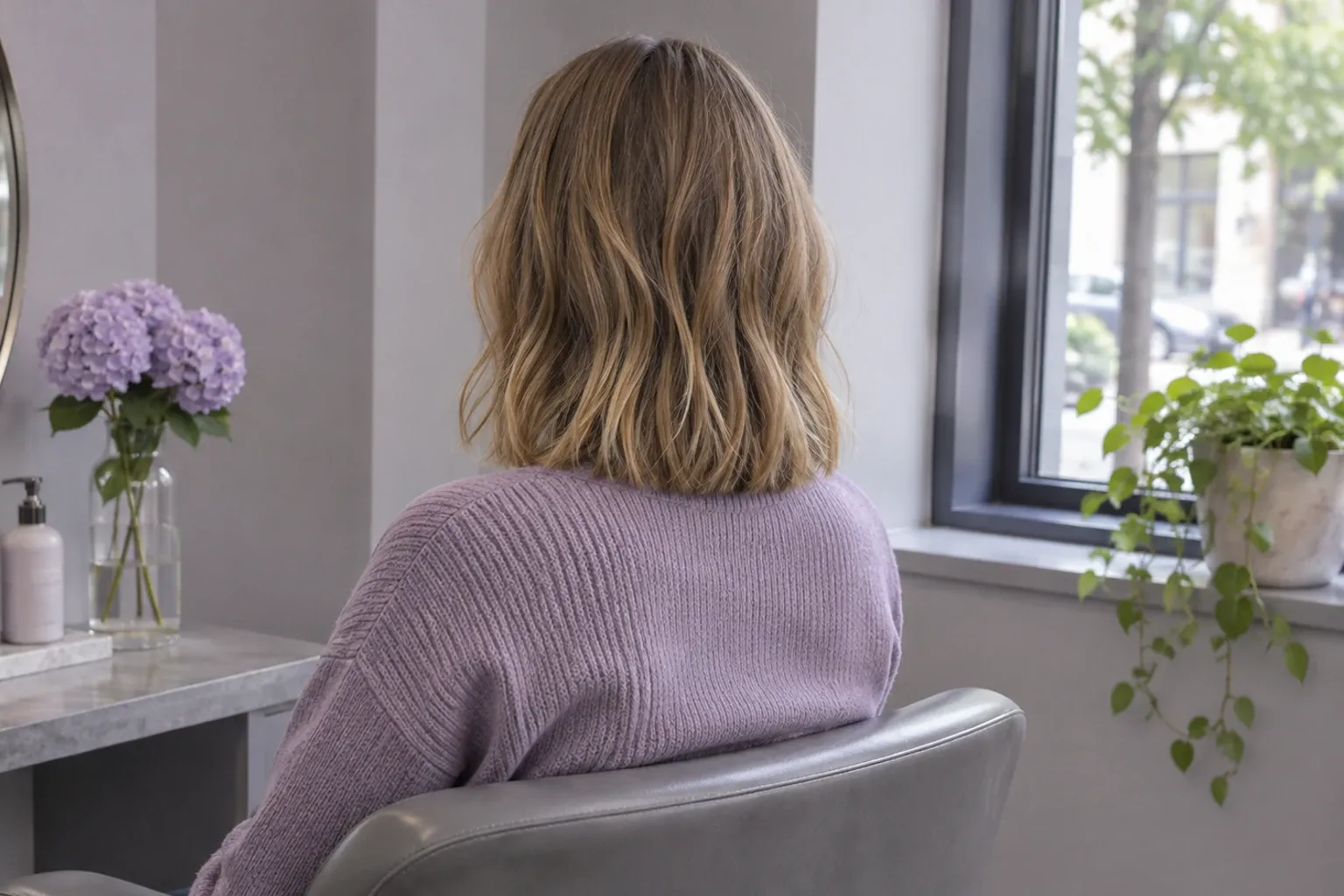
You might be looking at dark blonde hair because your natural colour seems too light to call brown, or because you want a softer change than an all-over, pale blonde. The name can be confusing: colour charts, salon language and photographs do not always use shade names in the same way. Start with the difference between depth and tone, then consider your existing colour, the result you want and how much upkeep suits you.
What does dark blonde hair look like?
Dark blonde sits near the boundary between blonde and light brown, so the label alone does not tell you exactly what you will see. In L’Oréal Professionnel’s colour-numbering system, the scale runs from 1, black, to 10, the lightest blonde: level 5 is light brown, level 6 is dark blonde and level 7 is blonde. That is one brand’s chart, not a universal code, but it helps explain why a dark blonde result may look close to light brown. The same brand notes that colour numbers can contain up to four figures, with up to two before and two after the decimal point; the figures after the decimal describe tone in that system. See L’Oréal Professionnel’s explanation of colour numbering as a chart-specific reference.
In everyday language, dark blonde might mean a muted beige, a soft golden shade or a cooler, ash-leaning colour. A photograph can be misleading: lighting, editing and the person’s starting colour all affect how the shade appears. Save a few reference images, ideally showing hair in similar lighting, and point out what you like about them: the depth, the warmth, the contrast, or how the colour sits around the face.
Which shade should you ask for?
Start by separating depth from tone. Depth is how light or dark the hair looks; tone is the impression of warmth or coolness within that depth. Golden or honey dark blonde tends to look warmer, while ash or beige references suggest a cooler or more muted direction. “Neutral” can be useful language, but it does not guarantee an identical result across colour lines.
Your natural base and previous colour affect the options. A colourist will need to know whether your hair is virgin, previously coloured, highlighted or lightened, because the same target shade may involve different work on each starting point. Be clear about any colour history, including home dye, and show your references before settling on a shade. The aim is to agree on a visible result, not just a colour name on a chart.
If you mean a brown base with distinct blonde pieces running through it, that is a different look from an all-over dark blonde shade. The difference is the contrast and placement of those lighter sections. For ideas focused on that effect, explore ways to place blonde through brown hair. Keeping the two descriptions distinct helps you and your colourist discuss the right technique and finish.
Should you colour all your hair or add lighter pieces?
An all-over dark blonde gives the hair a more unified appearance, though subtle variation may still be visible depending on your starting colour and the technique used. It can be a good reference if what you want is one overall shade rather than a noticeable pattern of lighter sections. Ask how the chosen tone is expected to look on your current hair, and what will happen at the roots as it grows.
Lighter pieces create contrast rather than changing every strand to the same target shade. They can be concentrated around the face or distributed more widely, so discuss where you want the brightness and how defined you want it to look. Do not use “dark blonde” as shorthand for this option if you actually want a brown base with blonde highlights; explain the placement and contrast you have in mind.
Maintenance is part of the choice. Ask how often the colour may need attention, whether the plan includes lightening, and how your natural roots will look as they grow. Avoid treating a named shade or a photograph as a promise: outcomes depend on your starting colour, colour history and the service agreed with the colourist.
How can you put the colour choice into practice?
Before booking or opening a home-colour kit, make the goal concrete. Gather a small set of reference pictures and decide whether you want an overall dark blonde, a warm or cool impression, or lighter pieces against a brown base. Note what you do not want as well, such as a strong contrast or a very golden finish. If you are considering a salon service, ask what process the colourist proposes and what upkeep it involves. If colouring at home, choose a product intended for your starting colour and follow its instructions rather than assuming the shade on the box will look the same on you.
Take hair condition into account, too. The American Academy of Dermatology advises staying within three shades of your natural colour when using dye, and says that lightening hair by more than three shades requires stronger peroxide, which can cause more damage. This is general advice, not an assessment of your individual hair; if the change you want is larger, discuss it with a qualified colourist rather than trying to force it in one step. For care that fits the hair you have, use a routine suited to your hair type as a starting point and adapt it to how your coloured hair feels.
How do you check the result safely?
For any home dye, follow the product’s safety instructions, including its allergy alert test, even if you have used a similar colour before. The NHS advises testing the dye on a strand at least 48 hours before use and following the packet directions. A strand test can also show how the colour may take on your lengths, but it does not replace the skin test required by the product. Do not proceed if you react to the test, and do not leave dye on longer than instructed.
After colouring, look at the result in daylight as well as indoors. Check whether the depth and tone match what you agreed, and notice how the colour looks against your skin and natural roots. If it seems too warm, too dark or more contrasting than expected, get advice before applying another colour or lightener over it. The NHS notes that reactions such as itching, burning or blisters can take up to 72 hours to appear; if symptoms develop, stop using the dye and seek appropriate medical advice. If you have breathing difficulty or sudden swelling of the lips, mouth, throat or tongue, call 999, as the NHS identifies these as possible signs of a serious allergic reaction.
Frequently asked questions
Is dark blonde hair the same as light brown hair?
Not necessarily. Shade names vary between colour charts and brands, and the border between dark blonde and light brown can look subtle. Some professional colour charts place dark blonde at level 6 and light brown at level 5, but that is a particular numbering system, not a universal rule. When choosing colour, compare swatches in natural light and describe the result you want rather than relying on the name alone.
Can I go dark blonde at home?
It depends on your starting colour, colour history and the change you want. A small shift closer to your natural shade may be more manageable than lightening darker, previously coloured hair. Follow the product instructions exactly, including the required allergy alert test, and do not use the product if a reaction occurs. If your hair has been coloured before or you are unsure how it will respond, ask a colourist for an assessment.
Will dark blonde suit warm or cool skin tones?
You can choose dark blonde in warm, cool or more neutral-looking tones, but there is no reliable rule that one undertone suits every person with a particular skin tone. Compare colour references beside your face in daylight, and consider whether you prefer golden warmth, a cooler ash effect or a balance between the two. A colourist can help interpret your reference images against your current hair and desired result.
How do I stop dark blonde hair looking too warm?
First identify whether the warmth is unwanted: golden tones are a deliberate choice for some dark blonde shades. If the colour is more orange or yellow than you intended, ask your colourist whether the shade needs a different tone or a maintenance product. Do not assume that a strong toning shampoo is the right fix; products and results vary, and your starting colour matters.
Related reading