Mid-length layered hair that suits your texture and routine
If your hair sits around your shoulders, layers can bring movement, shape or a softer frame around your face. The right approach depends on how much fullness you want to keep, how your texture behaves and how much styling you’re happy to do.
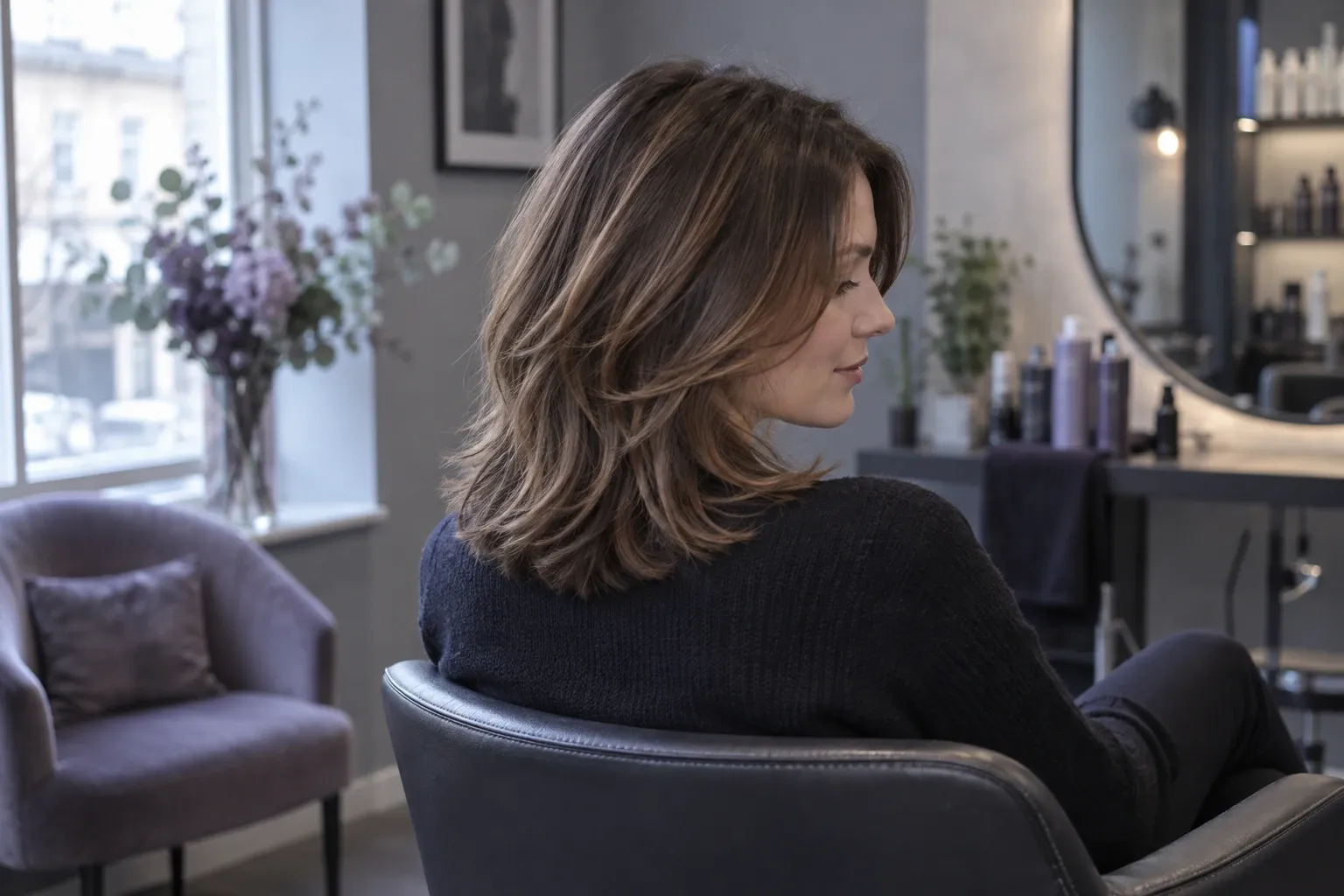
Mid-length hair offers room to wear it loose, tie it back or change the finish, but a layered cut can look quite different depending on where the shorter sections begin. Fine hair may need a light touch to keep the ends looking full; thick hair may benefit from removing some bulk; curls need a shape that works with their natural spring. Start with the result you want on an ordinary day, not just a photograph of a finished blow-dry.
What do you want the layers to change?
“Layers” describes shorter sections cut into the hair, but it does not specify how visible they are or where they sit. Long, blended layers can preserve an overall, even-looking outline while adding movement through the lengths. Shorter, more distinct layers create a more obvious shape and can make the hair around the crown or face feel lighter. Internal layers are cut within the shape, so they can encourage movement without creating a prominent step at the ends.
Before choosing a reference picture, decide what you want to notice: more movement when you walk, a softer frame around the face, less heaviness at the sides, or a shape that still looks tidy when air-dried. Then think about what you want to preserve. That might be a full-looking hemline, enough length for a ponytail, or curls that keep their definition.
Which layer shape works with your hair?
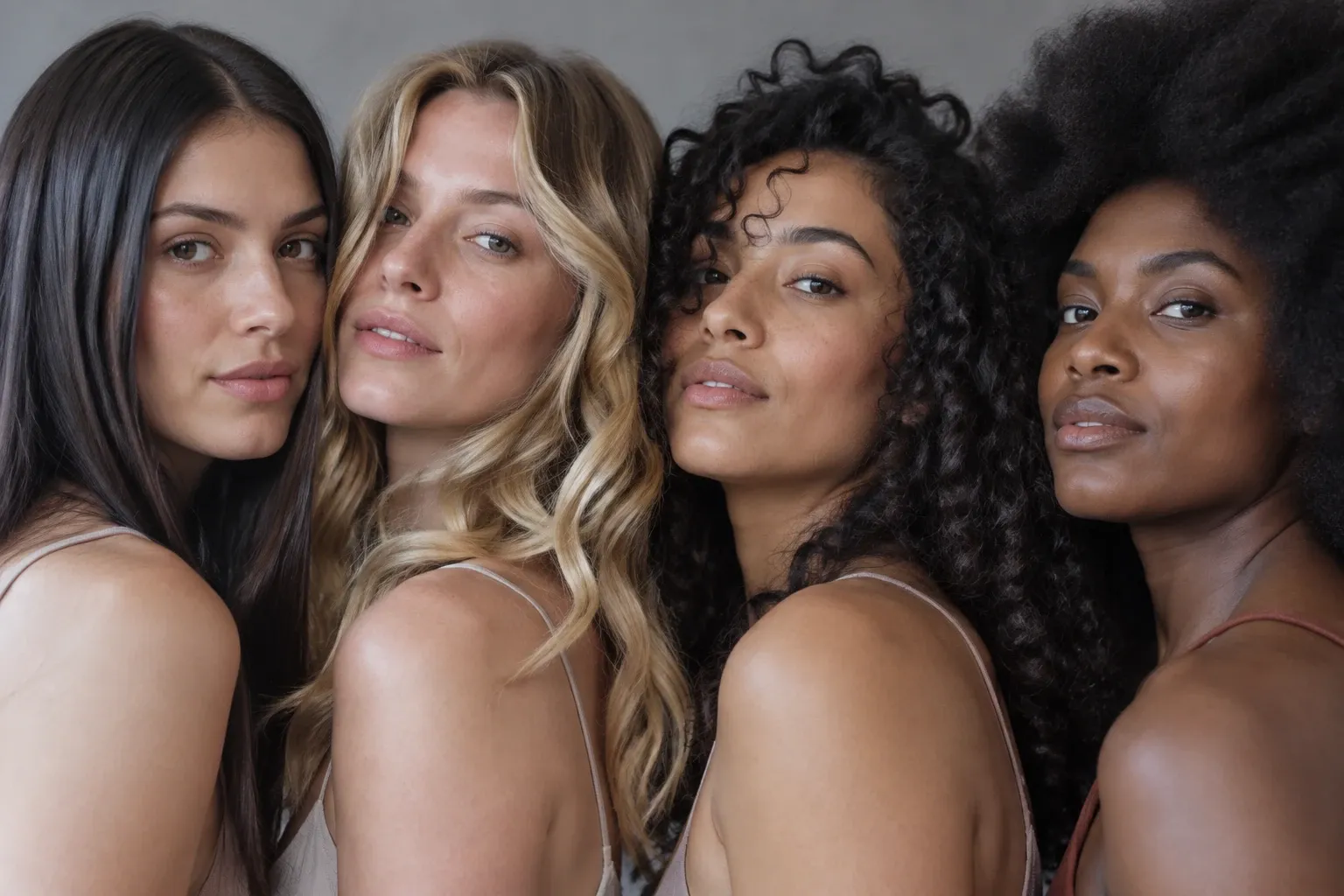
Hair texture and density are separate considerations. Texture describes whether your hair is straight, wavy, curly or coily; density refers to how much hair you have overall. Fine strands can be dense, and coarse strands can be sparse, so do not use “thick” as a catch-all description when discussing the cut.
For fine hair, start with a restrained plan. Longer, blended layers can give the lengths some movement while leaving more weight at the ends. A lot of short or choppy layers may make the bottom look less full. The stylists interviewed by Glamour UK on layered hair also distinguish between fine hair, which may look wispy if over-layered, and thicker or coarser hair, which can benefit from removing weight. Treat that as professional guidance rather than a rule that applies to every head of hair.
If your hair is thick or feels heavy, layers can help shape the outline and reduce the sense of bulk. The goal is not necessarily to remove as much as possible: too much texturising can leave the ends feeling thin or make the silhouette difficult to manage. Ask where the weight will be taken out and whether the finished shape will still work when you wear your hair straight, wavy or tied back.
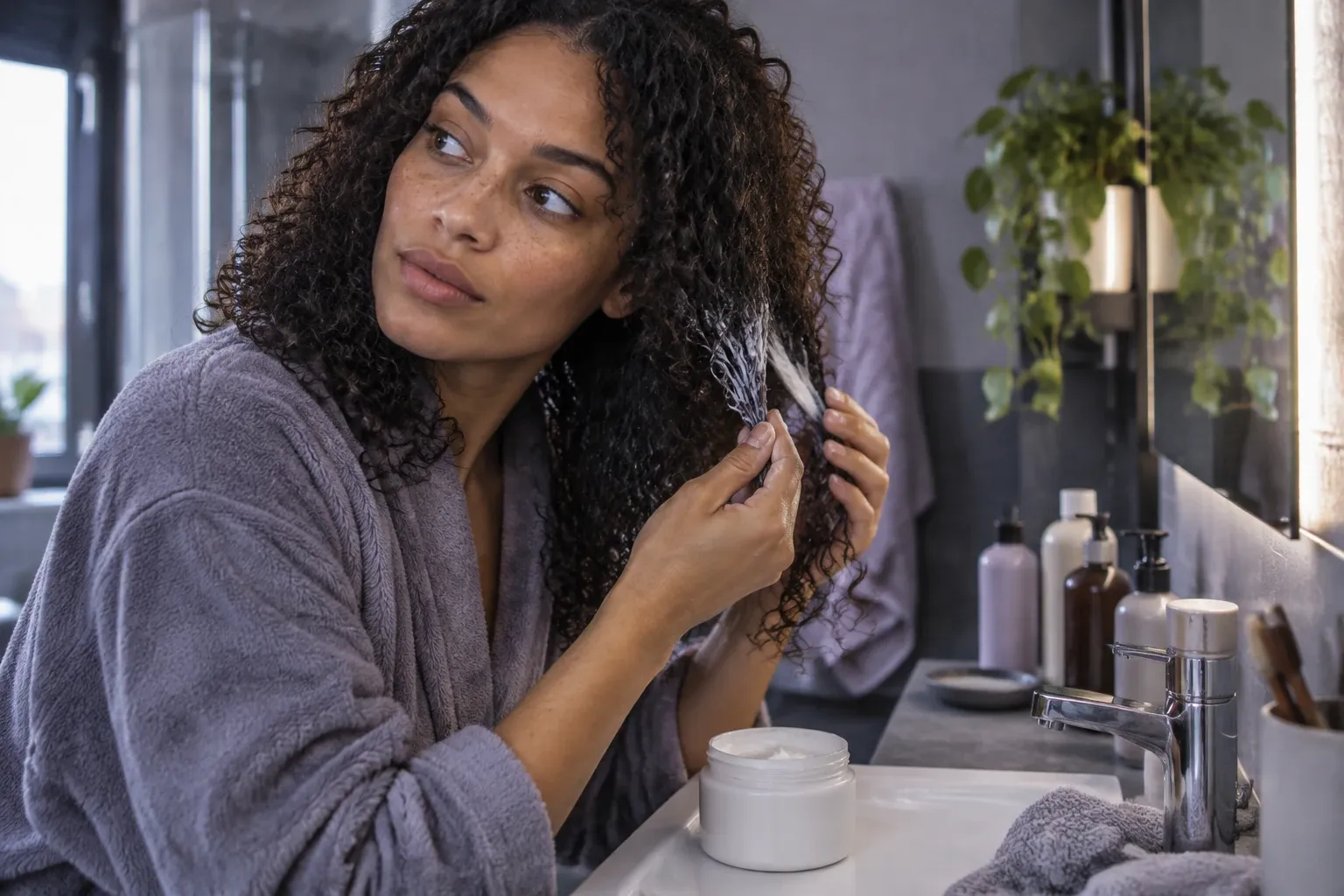
For waves, curls and coils, layer placement affects how the shape sits when dry. Consider whether you want more lift at the crown, a rounded outline, or longer sections that frame the face. If you alternate between wearing your hair naturally textured and straight, make that clear during the consultation. Glamour UK’s discussion of cutting curly and coily hair notes that the approach can depend on how the client wears it, since curls may not stretch evenly. Ask the stylist to explain how they will account for your usual finish and the shape you want.
Your curl pattern can help you describe your hair, but it is only one part of choosing a routine or cut. You can use a hair pattern chart as a starting point, then consider density, strand thickness and how your hair behaves in daily life. If you are also choosing products for your texture, look for options that fit your wash and styling habits rather than assuming a particular cut requires a particular product; our advice on choosing curly hair products covers that separate decision.
How do the main options compare?
A useful way to compare cuts is to think about their visible shape and upkeep, rather than choosing a trend name alone.
| Layer approach | What it can offer | Consider if… |
|---|---|---|
| Long, blended layers | Subtle movement while keeping a connected outline | You want a change that still looks soft and understated |
| Face-framing layers | Shorter pieces that draw attention to the front | You want movement around the face and are comfortable styling those pieces |
| Internal layers | Movement within the shape, with less obvious separation at the ends | You want a less choppy-looking finish |
| Shorter, more defined layers | A more noticeable silhouette and separation between sections | You like a stronger shape and are prepared to style shorter pieces |
These are descriptions, not guaranteed results. The same technique can look different on different textures, densities and lengths. Bring pictures showing the front, sides and back where possible, and explain what you like about each one. If a photo only works because of a polished blow-dry, say whether you plan to recreate that finish regularly.
What should you ask for at the salon?
Use practical language rather than relying on a trend label. You could say: “I’d like to keep my overall length, add soft movement through the mid-lengths, and keep the ends looking full.” Or, if your hair is thick: “I’d like some weight removed, but I still want the ends to look connected.” For curls, describe how you wear them most often and whether you want a rounded, elongated or face-framing shape.
Before the cut begins, talk through:
- How the layers will look when your hair is dry and in its usual texture.
- Whether the shortest sections will stay out of your eyes or tie back easily.
- How much styling the cut is likely to need to resemble your chosen reference.
- Which areas will lose weight, and how the ends will be kept looking balanced.
- Whether your hair history, such as previous cuts or chemical processing, affects the shape you have in mind.
Ask to agree on the overall outline before removing significant length. If you are unsure, you can ask for a more gradual change and review the shape before going shorter. A photograph is useful, but your stylist should also understand what you like about it: the length, the face-framing pieces, the fullness or the finish.
How can you style and maintain the shape?
You do not need to curl every layer to make the cut visible. On straight hair, a natural parting and a smooth finish can show the outline. Waves can be encouraged with a suitable styling product and gentle handling while the hair dries. For curls, work with the pattern you already have and avoid brushing in a way that disrupts the finish you want. Product amount and technique are personal; start modestly and adjust based on how your hair responds.
If you use heated tools, think about frequency as well as technique. The American Academy of Dermatology’s styling advice says that excessive heat can damage hair and recommends using flat irons on dry hair at a low or medium setting, no more often than every other day. This is general dermatology guidance, not a promise that any temperature or frequency is risk-free for every person. For another UK source on reducing heat exposure, Gloucestershire Hospitals’ hair-care advice suggests air-drying where possible and using the lowest heat and power settings on a hairdryer.
Your usual care matters as much as the haircut. Build a routine around your hair’s needs so cleansing, conditioning and styling make sense for your scalp, texture and habits. Layers may make certain sections easier to shape, but they do not require a special product by default. If your hair feels dry or fragile, keep handling gentle and avoid relying on repeated heat to make every layer sit in place.
How can you check that the cut is working?
Judge the result in the way you actually wear your hair. After washing, notice whether the outline falls as expected, whether the ends still look balanced and whether the shorter pieces sit comfortably around your face. Try your usual parting and, if relevant, tie it back. A cut that looks appealing only after a styling routine you do not want to maintain may not be the right fit.
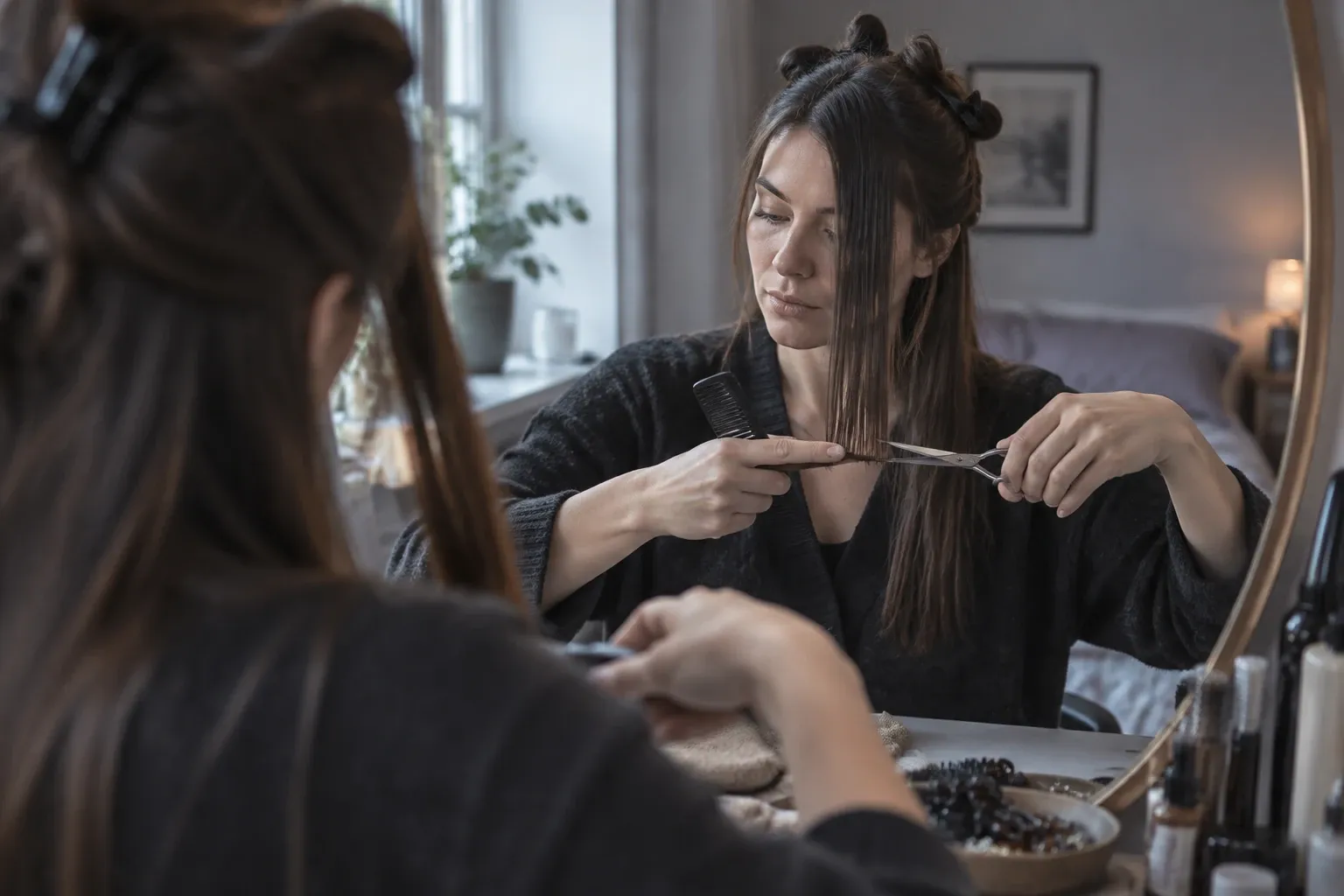
Give yourself a few ordinary styling days before deciding what needs adjusting. If something feels wrong, describe the specific issue: the front sections fall into your eyes, the ends look too light, or the crown feels too bulky. That gives a stylist something concrete to assess. Avoid trying to correct an uneven or unfamiliar shape with improvised cutting at home; if you are considering trimming it yourself, first weigh up the risks and preparation involved in cutting your own hair.
The most useful mid-length layered cut is the one that matches your texture, desired outline and everyday effort. Take clear references, explain what you want to keep, and agree how the shape should work when your hair is worn naturally as well as styled.
Frequently asked questions
Will layers make my fine mid-length hair look thicker?
They can create movement and lift, but layers do not add hair or change its actual density. If too much is removed from the lengths, the ends may look sparse. Ask for a conservative shape that keeps weight around the perimeter, then discuss whether subtle face-framing or internal layers could give you movement without making the ends feel thinner.
Are layers suitable for naturally curly hair?
They can be, but the cut needs to account for how your curls sit and shrink as they dry. Tell the stylist how you usually wear your hair and whether you sometimes straighten it. Bring photographs of your own hair on a typical day, not only reference images of a different curl pattern, so the shape can be planned around your real routine.
Can I tie up mid-length layered hair?
Usually, though shorter face-framing pieces or layers around the crown may fall out of a ponytail or bun. If tying your hair back matters for work, exercise or comfort, mention it before the cut. The stylist can consider where the shorter sections start and how much length you need secured, rather than designing only for hair worn loose.
How should I style layers without using heat every day?
Begin with the finish your natural texture already gives you. Apply a small amount of a suitable styling product, arrange the sections with your fingers or a wide-tooth comb where appropriate, and let the hair dry with minimal handling. If you choose to use heated tools, keep the routine occasional and gentle; frequent or excessive heat can damage hair.
Related reading