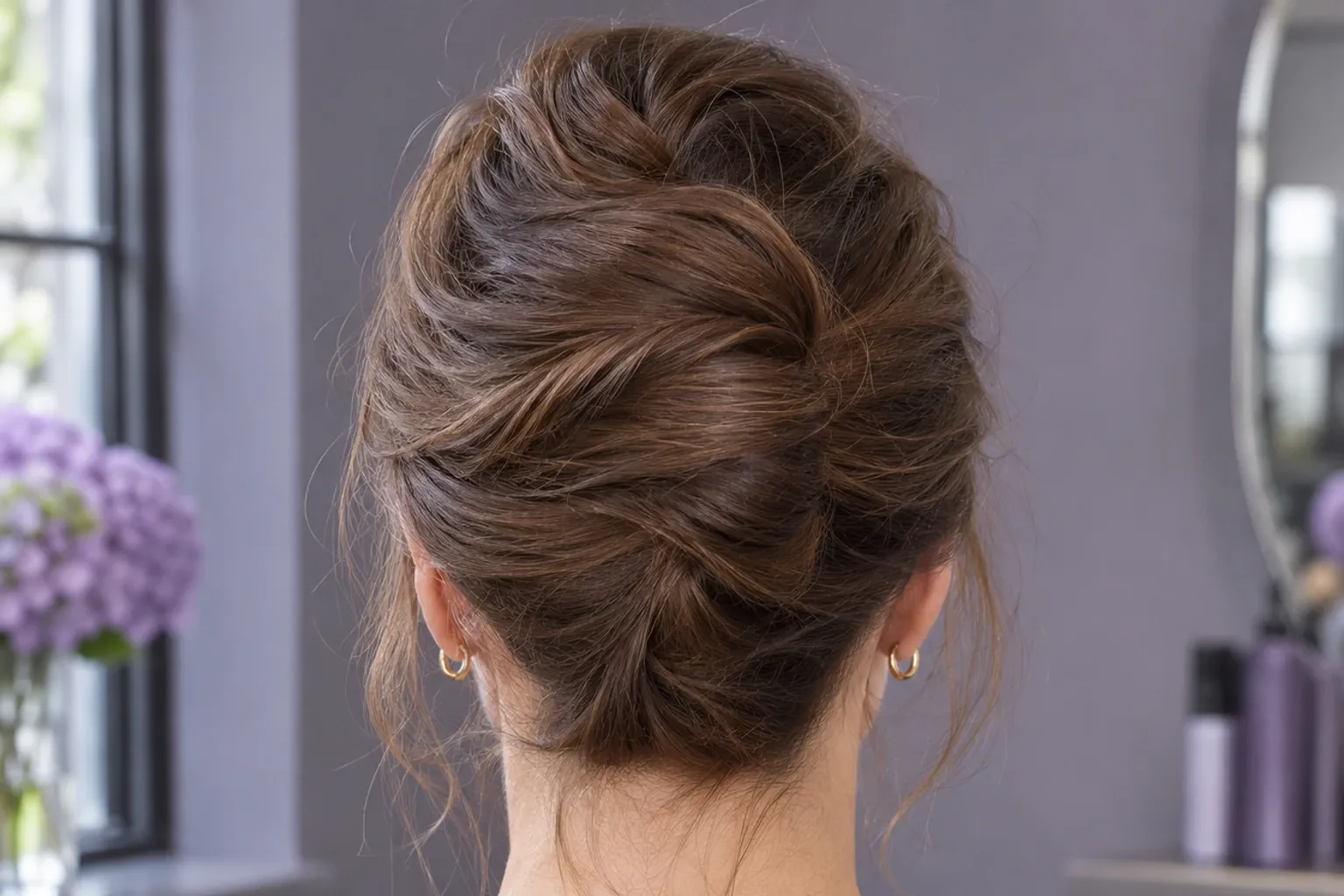
Hairstyles for women over 50 that suit your hair and routine
If your hair’s texture, density or daily routine has changed, the right cut is the one that works with what you have now. Compare short, mid-length and longer styles, then use a few practical checks before booking a trim.
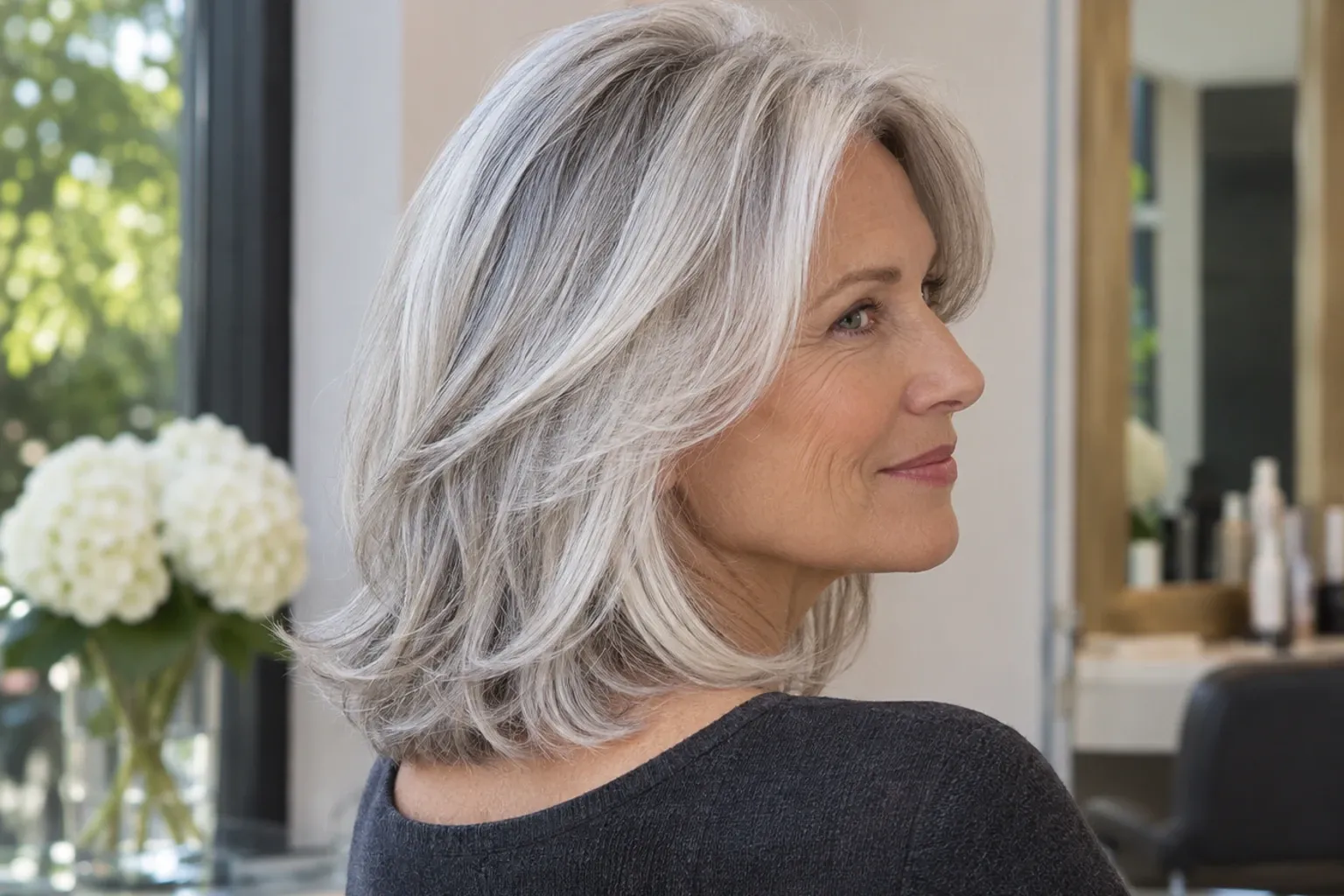
You may be thinking about a new hairstyle because your hair feels finer, takes longer to style or no longer sits as it used to. Turning 50 does not prescribe a particular length or shape: your texture, density, face-framing preferences and willingness to style it matter more. A pixie, bob, layered shoulder-length cut or long style can all be worth considering when the details are adapted to you.
What should you consider before choosing a cut?
Start with your hair as it is now, not with a photo of someone whose texture or density is very different from yours. Notice whether your strands are fine or coarse, straight or textured, and whether your hair has become harder to style. Think, too, about how you usually wear it: tucked behind your ears, tied back, parted to one side or left to dry naturally.
Changes in hair can happen at different ages and for different reasons. The NHS lists hair thinning or hair loss among possible menopause and perimenopause symptoms, but that does not mean every change in hair is caused by menopause. If you are also experiencing symptoms and want advice, speak to your GP; if the hair loss itself concerns you, the NHS also recommends discussing it with a GP. A new cut can change how your hair looks, but it is not a diagnosis or treatment.
Your routine is another useful test. Consider how much time you want to spend washing, drying and styling, whether you are comfortable using heated tools, and how often you are willing to have the shape refreshed. For practical help matching care to texture, explore a routine for your hair type. If you are comparing shorter cuts, these short styles for different textures offer another set of options.
Which hairstyles might work for your hair?
A short cut can be a good choice if you like an open neckline or want less length to manage. A pixie can be tailored with a longer fringe or a softer outline; a crop can be left more textured or kept sleek. These cuts are not automatically low-maintenance, though: a strongly shaped outline may need regular salon visits, and some finishes rely on daily styling. Ask what the cut will look like on an ordinary day, not only after a professional blow-dry.
A bob gives you more length around the face while keeping a defined outline. A chin-length bob can be worn straight or with a natural bend; a longer bob, sometimes called a lob, falls nearer the shoulders and offers more ways to tie the hair back. For fine hair, a blunt edge may make the perimeter appear fuller, while heavy layers can remove the sense of density. If your hair is thick or bulky, subtle layers may help it sit more comfortably. The result depends on the hair itself, so discuss the weight and shape with your stylist.
Shoulder-length hair is a useful middle ground if you want movement and the option of tying it up. Layers can help bring out waves or curls, but the placement matters: too many short layers may create more volume than you want, while a single length can feel heavy on some textures. Ask for the layers to be adapted to how your hair falls when dry and whether you prefer a smooth or more relaxed finish.
Long hair remains an option if you enjoy its look and are comfortable caring for it. Soft layers can reduce a heavy outline and add movement, while a more even length can keep the ends looking deliberate. If the ends appear thin, ask whether a shorter or fuller perimeter would suit you better; there is no need to remove length simply because of your age. Your stylist can show you how the proposed shape will work with your natural texture and usual parting.
How do you make the style work with your texture?
Bring a few reference pictures to an appointment, but use them to explain details rather than expecting an exact copy. Point out what you like: the fringe, the outline, the amount of lift at the crown, or how the hair sits around the face. Tell your stylist what you do not want as well, such as a fringe that needs daily attention or layers that make your hair harder to tie back.
If you have curls or coils, discuss how the cut will behave in its natural state and how much shrinkage or volume you usually see. If your hair is straight and fine, ask how the shape will look without backcombing or a long blow-dry. A fringe can be a useful way to change the look without changing the overall length, but it may need more frequent shaping and styling than the rest of the cut.
Think about colour and grey hair as part of the overall look, not as a requirement to hide or highlight anything. A new shape can work with your natural colour, an existing colour or a decision to let grey grow in. If you are considering a major colour change as well as a cut, discuss the upkeep and timing separately so you know what each part of the routine involves.
How can you style it without unnecessary stress?
Start with a simple finish that suits your usual routine. A side part can shift the balance of a style; a small amount of lightweight product may help define texture, while a smoothing product may be more suitable if you prefer a sleeker result. Use only what your hair needs, and ask your stylist to demonstrate the amount and placement rather than buying products based on broad claims.
Heat and tension are worth considering, especially if your hair already feels fragile. The American Academy of Dermatology advises using flat irons on dry hair at low or medium heat and no more often than every other day; it also says a curling iron should stay in place for only a second or two. Its guidance notes that excessive heat can damage hair. Treat those suggestions as practical limits, not a target: air-drying or using heated tools less often may suit your routine better.
The same dermatology guidance warns that repeatedly wearing tightly pulled styles, including ponytails, buns and braids, can cause tension-related hair loss. Choose a loose tie or a style that does not pull at your scalp, and change it if it feels painful or uncomfortable. For any hair texture, handling and styling should feel manageable rather than like a daily struggle.
How can you check whether the cut is right?
Give yourself a few days to try the style in your own routine. See how it looks after your usual wash, whether it dries into a shape you like and whether you can style it with the time and tools you actually have. Notice if the fringe falls where you want it, if the sides tuck behind your ears and if the length works with glasses, hair accessories or your preferred way of tying it back.
Before leaving the salon, ask how to maintain the shape and what signs mean it is time for a trim. If the cut needs more styling than expected, tell your stylist which part is difficult; a small adjustment may make it easier to wear. If you are still noticing hair loss or a change in density, separate that concern from the haircut decision and seek medical advice rather than relying on a style or product to explain it.
Frequently asked questions
Is short hair best for women over 50?
No. Short hair can be convenient and make fine ends look more substantial, but it is not automatically more flattering or easier to maintain. A longer cut can work well if your hair holds its shape and you are happy with its care. Choose by texture, density, preferred styling time and personal taste rather than age alone.
Can I keep long hair after 50?
Yes. Long hair is an option at any age. Ask for a shape that supports your natural texture and avoids ends that look sparse if that concerns you. Consider whether you want layers, how you will wear the parting and how much detangling and styling the length takes. Regular trims can help maintain the outline you have chosen.
What should I do if my hair is thinning?
A new cut may help you feel more comfortable with the appearance of your hair, but it cannot identify or treat the cause of thinning. If the change worries you, is sudden or is continuing, contact your GP. The NHS advises getting an idea of the cause before considering a commercial hair clinic. Avoid styles that pull tightly on the hair.
How can I make a new haircut easier to style?
Ask your stylist to show you how to recreate the finish with the products and tools you already use, and whether the cut will work with your hair air-dried. Be specific about the time you want to spend and how often you want to book trims. A style that looks good in the salon but needs more daily work than you want may not be the right fit.
Related reading