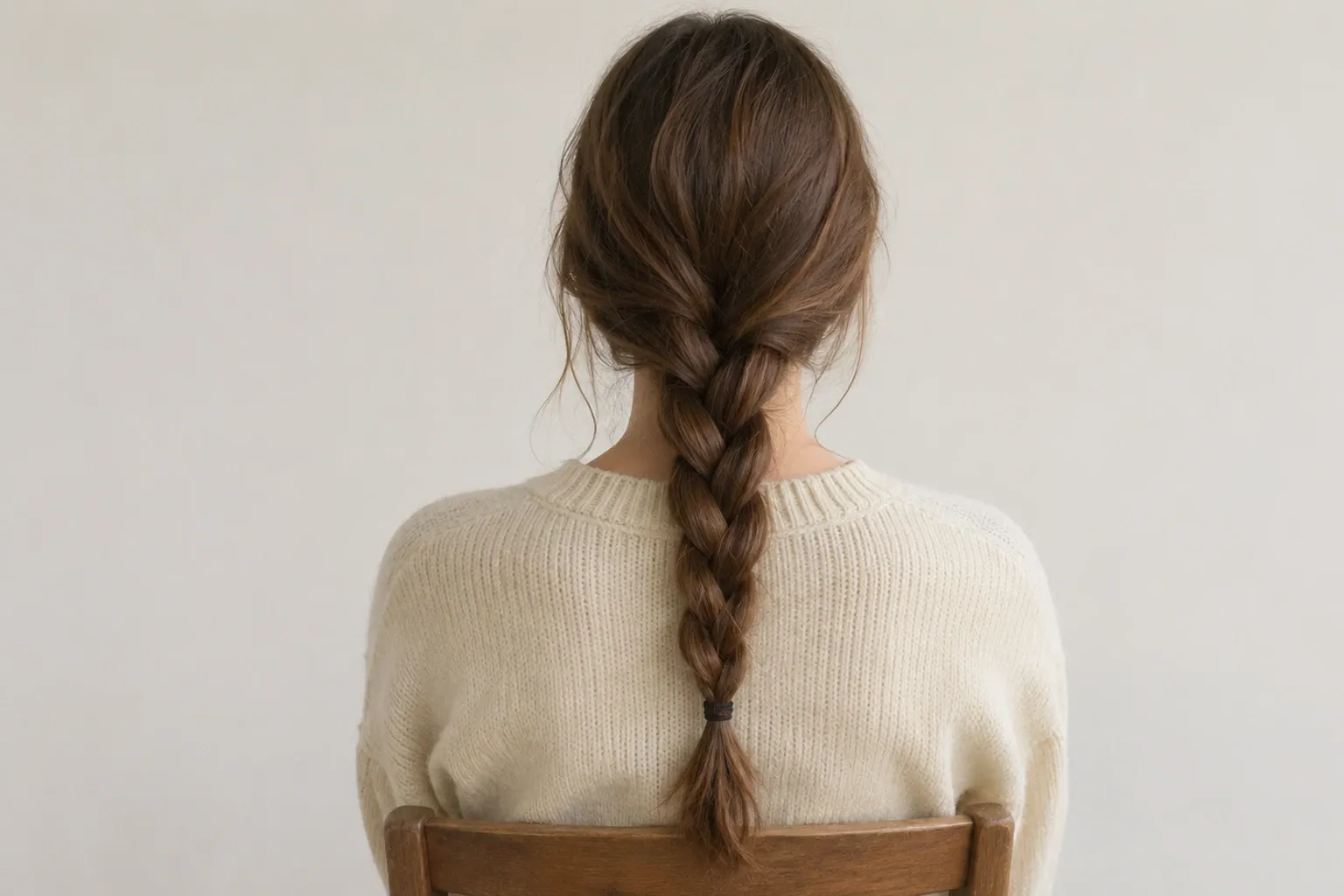
Hair up styles that work with your length and texture
Choosing an updo is easier when you start with what your hair can comfortably do, rather than a picture of a style on a different length or texture. Compare a few adaptable options and see how to pin them securely without pulling too tightly.
You may want your hair off your face for work, an event or a warm day, but a high bun is not the only answer. Short layers can escape from a twist, fine hair may not fill a large-looking bun, and thick or coily hair can need a different approach to gathering and pinning. The best starting point is the length you can actually secure, the shape you want and how much tension feels comfortable.
Which updo works with your length and texture?
Start with the shortest layers around your face and the nape of your neck. If they cannot reach the tie point, they will not stay in a single bun without extra pins or a different arrangement. Hair that reaches the shoulders can often be gathered into a low knot or twist; longer hair gives you more material to coil, fold or wrap. These are styling possibilities, not length rules: layers, density and curl pattern all change what is practical.
For fine or slippery hair, try a compact low knot or a half-up style. A smaller shape needs less hair to support it, while a half-up arrangement leaves the lower length loose. For thick hair, divide the hair before forming a bun, so you can secure the weight in manageable sections rather than relying on one tie. Curly and coily hair can be gathered into a puff, a loose bun or a pinned arrangement that keeps the natural pattern visible. You do not have to brush every texture smooth to make an updo.
If your hair is short or heavily layered, work with several small sections. Pinning a twist at the back, or securing just the top half, can look intentional even when a full bun is not possible. A soft side part, a few face-framing pieces or a low placement can also change the finish without requiring extra length. If you are building a broader routine around your hair’s needs, the hair care advice section covers the foundations that can inform your styling choices.
What should you consider before choosing a style?
Think about the occasion, how long you want to wear the style and whether you need it to stay put while moving. A neat low bun may suit a workday; a loose twist can feel more relaxed for an event; a half-up style keeps some length visible while securing hair away from your face. Consider necklines, hats or headphones too, because a high bun can press against a collar or headrest.
Comfort matters more than a perfectly slick finish. The American Academy of Dermatology explains that frequently wearing tightly pulled buns, ponytails and other updos can cause traction alopecia, a type of hair loss associated with repeated pulling. It advises loosening styles and changing them regularly; its guidance also lists pain, stinging and scalp tenting as signs to change a style. Read its [advice on hairstyles that pull] (https://www.aad.org/public/diseases/hair-loss/causes/hairstyles) before relying on a tight updo often.
Choose accessories for the job. A fabric-covered band can gather a ponytail, while hair pins or grips can hold a twist in place. Use enough support to keep the style stable, but do not force pins into a scalp or use them to compensate for a knot that is too heavy. If a clip or pin catches, presses or slides out, remove it and adjust the placement rather than pushing harder.
How do the main hair up styles compare?
A low bun is a useful option when your hair reaches the tie point and you want a contained finish. Gather hair at the nape, secure a ponytail loosely, then twist or fold the length around its base and pin it. For longer hair, a folded bun can reduce the amount of hair coiled into one tight shape. If your hair is thick, try splitting the length into two sections and wrapping them around the base in turn.
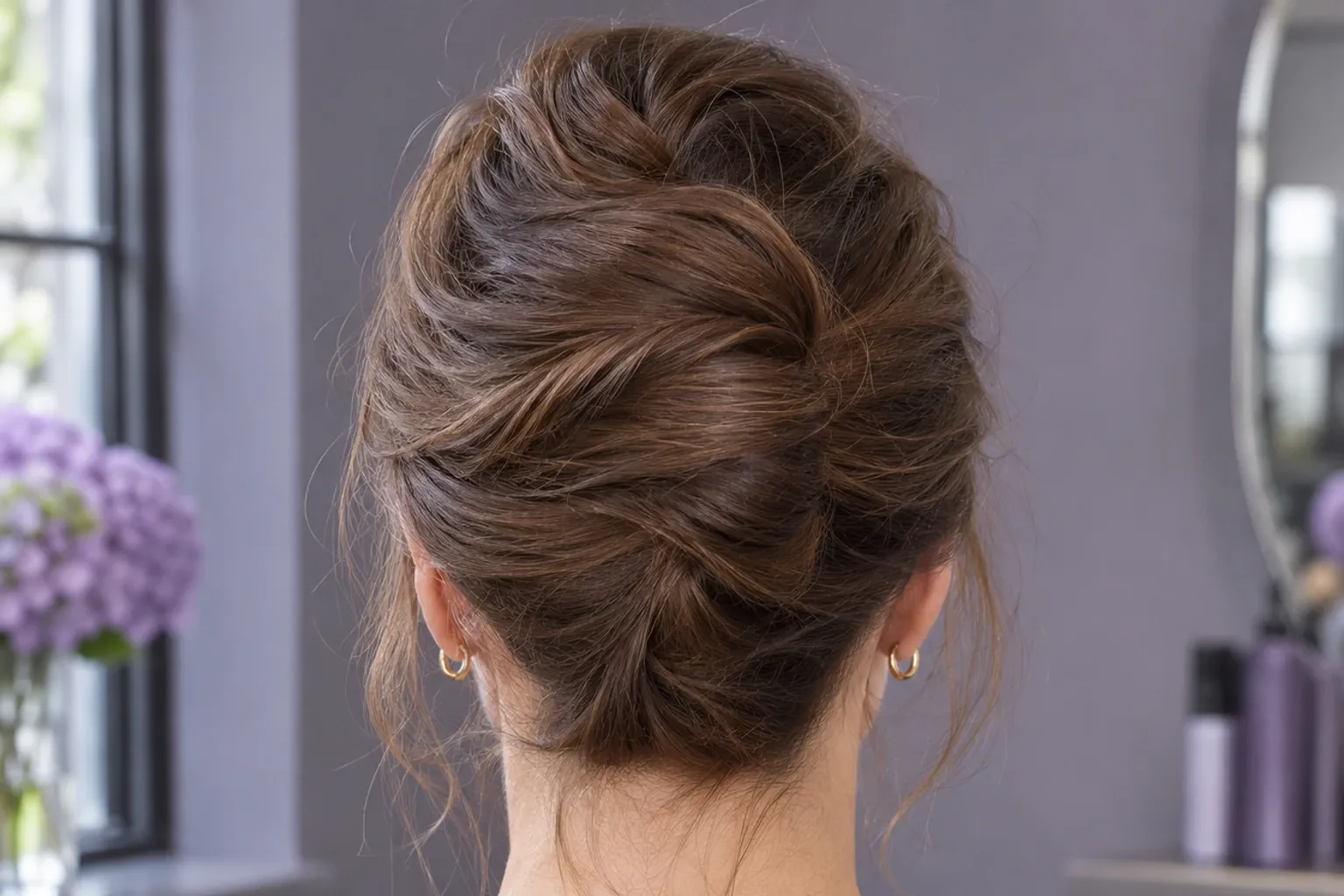
A French twist-style updo creates a vertical shape at the back. It can work on medium or long hair, but short layers may need separate pins. Sweep the hair to one side, tuck the ends inward and pin along the fold. For a softer version, do not smooth every strand flat; leave a little natural texture and check that the pins hold the folded section rather than scraping the scalp.
A half-up twist is a practical alternative when a full updo will not hold or you want to leave the length down. Take one section from each side, bring them together at the back and secure them, then twist or fold the joined section. This simple arrangement can suit shorter, layered hair because it only gathers part of the length. For curly or coily hair, finger-gather the sections if you want to preserve their shape.
A high bun or puff keeps hair off the neck and can suit longer hair or textured hair that gathers comfortably at the crown. Place it where the base feels stable, not where you have to pull hardest. To explore how dramatic updos sit within a longer history of hair fashion, see the shapes and influences of 1980s hairstyles; for everyday styling, choose a version that works with your own length and comfort.
How can you put an updo together?
- Decide on the placement first: low at the nape, centred at the back or high on the crown. Check it against your collar and the activity you have planned.
- Gather only the hair that can reach that point comfortably. If the ends keep slipping out, switch to a half-up style or divide the hair into smaller sections.
- Secure the base with a suitable covered band if the style needs one. Avoid pulling the band tighter just to make the shape look smaller.
- Shape the remaining length into a knot, fold or twist. For a practical example, use two pins to anchor a small twist at its base, then add pins only where the hair lifts or shifts.
- Check the hold by turning your head gently and moving as you expect to during the day. Add support where needed, then stop before the style feels tight.
Those numbers are illustrative styling steps, not a required pin count: hair length, thickness and the type of pin affect what holds. Short hair may need several small anchors; a long, heavy bun may need a different shape rather than simply more pins. For finer hair, a smaller twist can be easier to support. If you use heat to shape the hair first, keep the style simple enough that you do not need repeated passes to make it behave.
How do you check the finish and comfort?
Look at the style from the front, sides and back. Check for loose pins, a band that is digging in, and sections that pull when you turn your head. A mirror behind you or a quick photo can show whether the bun or twist sits where you intended. If the look is uneven, reposition the shape before adding more pins; extra hardware can make a style uncomfortable without fixing its balance.
Pay attention to how your scalp feels while wearing it. The American Academy of Dermatology says a painful hairstyle is too tight and recommends changing styles that pull; discomfort is a reason to loosen or remove the updo, not to wait it out. A loose finish may need occasional adjustment, but it should not need to hurt to stay in place.
A Gloucestershire Hospitals NHS Foundation Trust hair-care leaflet also advises avoiding hair that is frequently pulled tightly back in buns, ponytails or similar styles, noting the association with traction alopecia. Its guidance is a useful reminder to vary your styling rather than relying on the same tight arrangement every day. If an updo will not stay secure without persistent pulling, choose a lower-tension style or leave some hair down.
Frequently asked questions
Can you put short hair up?
Yes, if you adapt the shape to the length. A low twist, a half-up style or several small pinned sections can work when one ponytail cannot hold all the hair. Use small sections and pins that grip without forcing the hair into place. A few loose pieces are often easier to manage than repeatedly tightening the style.
How do you keep an updo in place without making it tight?
Build support with sections and pins instead of pulling the whole style firmly against your scalp. Secure the base first, then cross pins over the hair they need to hold. Test the style by moving your head gently. If it hurts, stings or feels sharply tight, loosen it or choose a lower-tension option.
Which hair up style suits fine hair?
A compact twist, a low knot or a half-up style can be easier to secure than a large bun that needs extra padding. Keep sections modest and avoid overloading the style with heavy accessories. If you want more visible volume, shape the hair loosely before pinning rather than pulling it taut.
Can curly or coily hair be put up without brushing it smooth?
Yes. You can gather curls or coils with your fingers, preserve their natural shape and secure the style with pins or a suitable covered band. The finish can be a puff, a loose bun or a pinned-up arrangement. Choose a method that suits your usual detangling routine and does not require forceful pulling.
Related reading