Chocolate brown hair and how to choose your best shade
If you want a richer brunette, chocolate brown can mean anything from a soft, warm brown to a deep shade that looks almost black indoors. The right choice depends on your starting colour, the tone you want and how much upkeep you are comfortable with.
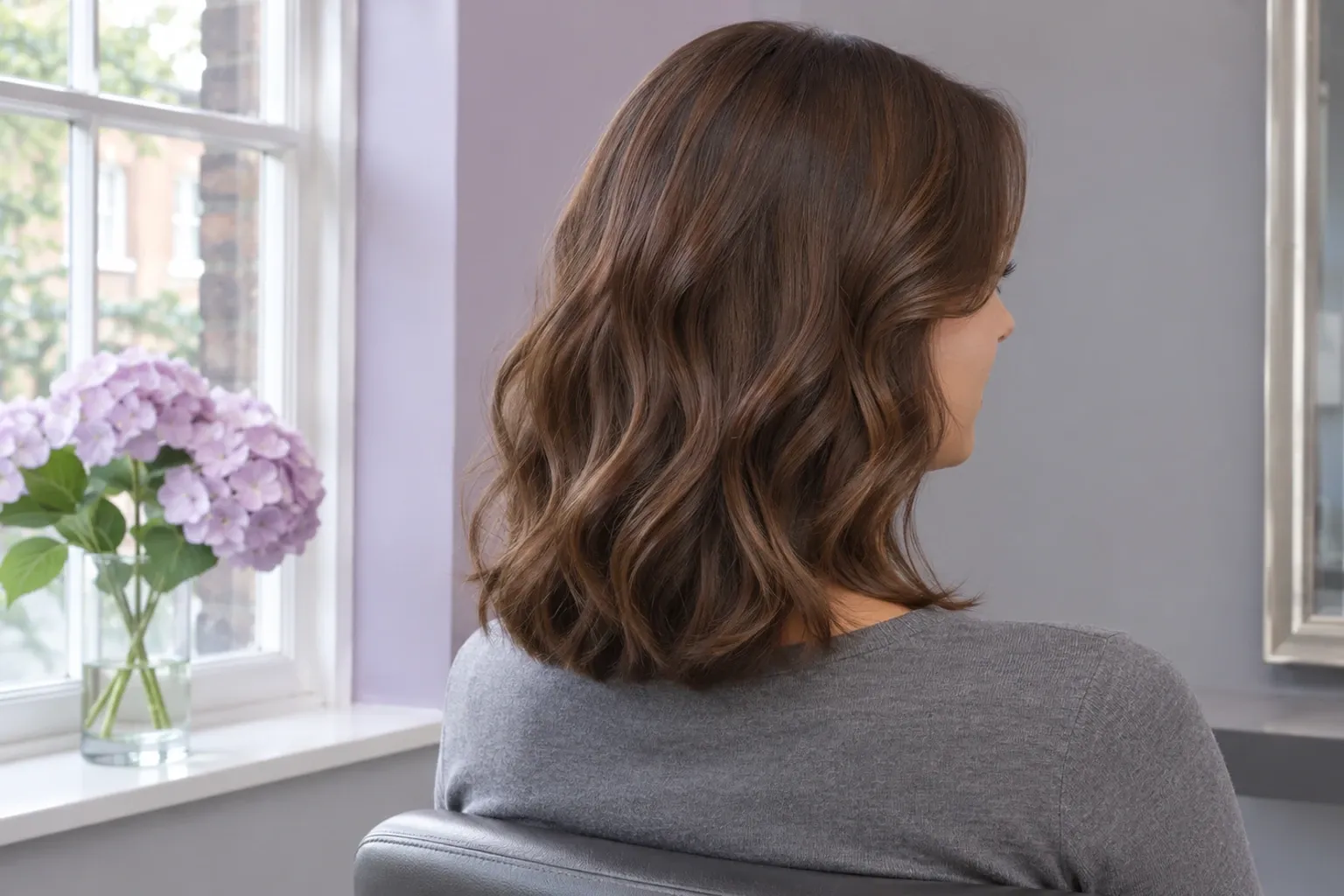
You may have saved a photo of glossy chocolate brown hair, only to find that the shade names on colour boxes and salon menus do not match what you pictured. “Chocolate” is a descriptive label, not a standard colour code, and the same shade can look different on different starting colours. Compare the depth and warmth in your reference images, then consider whether you want an all-over brunette or a more varied look. Before colouring, check the product instructions and take allergy precautions.
What does chocolate brown hair look like?
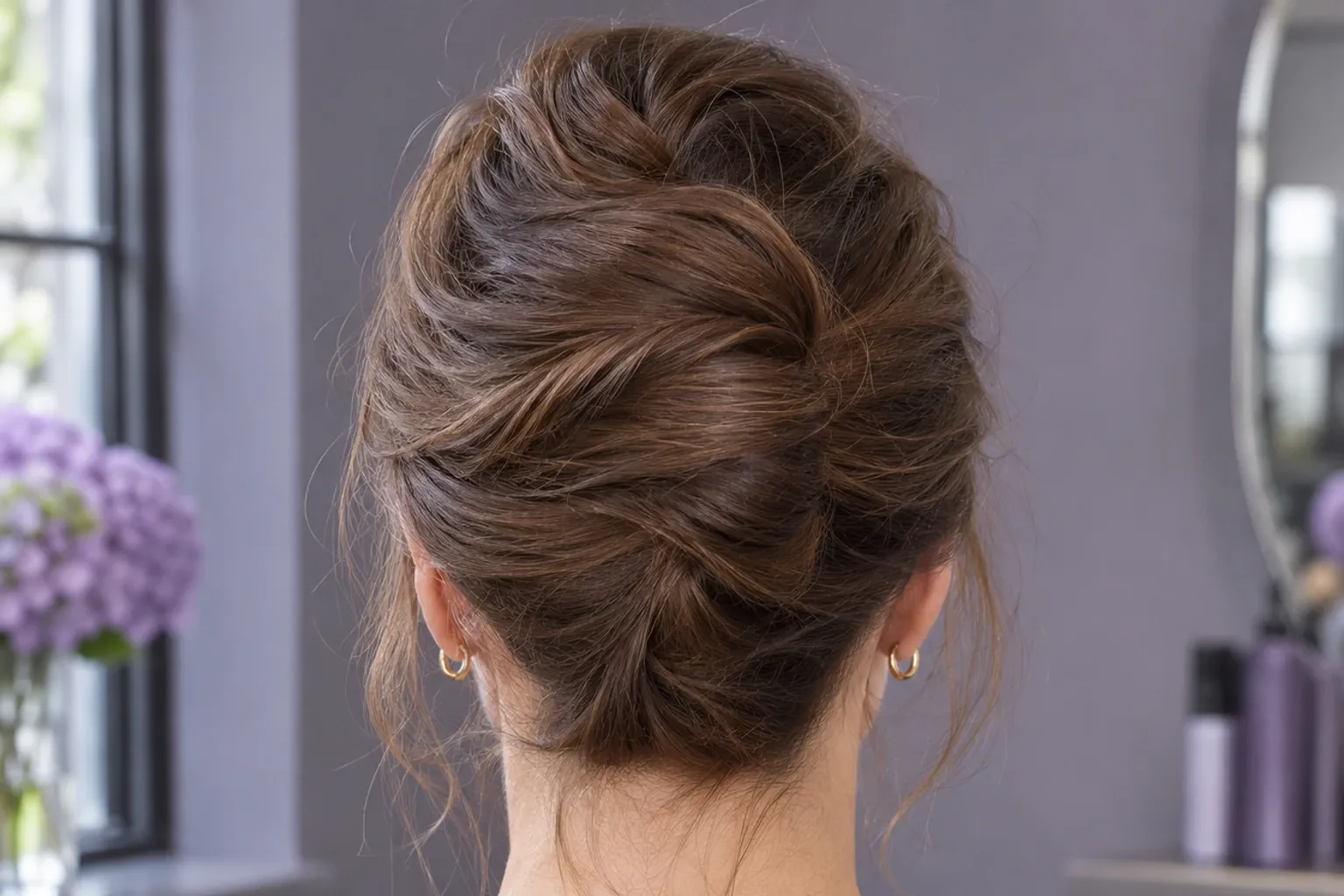
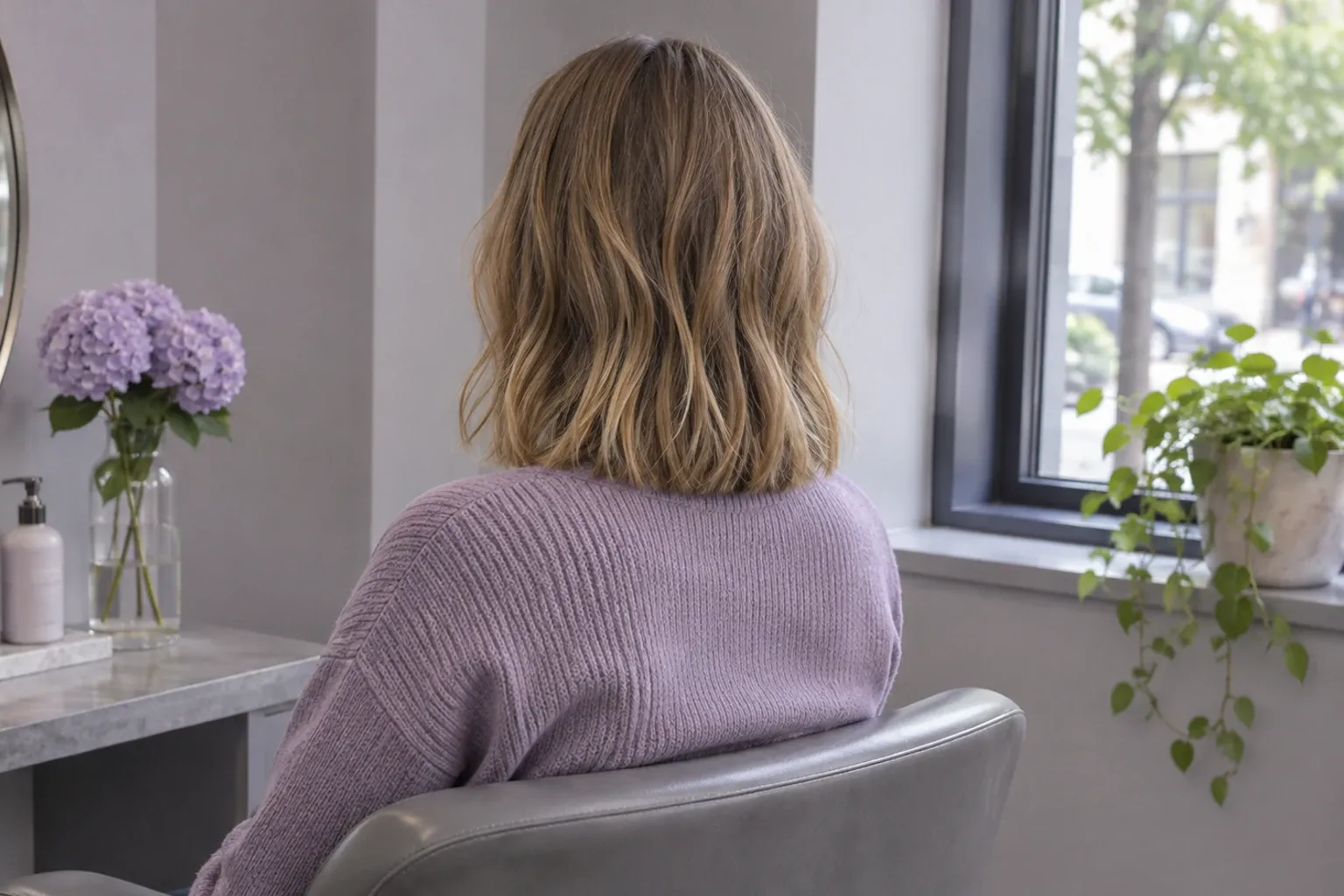
Chocolate brown is a broad description rather than one fixed shade. It usually suggests a brunette with a rich, reflective appearance, but the tone can be warm, neutral or more muted. “Milk chocolate” is commonly used for a softer, lighter impression; “dark chocolate” suggests a deeper brunette. These names are useful starting points for a conversation, not dependable formulas shared by every colour brand.
It helps to separate two decisions: depth, meaning how light or dark the hair looks, and tone, meaning the colour character you notice within that depth. A shade can be deep without being flat, or medium brown with a golden or reddish cast. When collecting inspiration, look at photos in different lighting and focus on the underlying colour rather than the model’s styling or shine.
Which chocolate shade should you choose?
Start with your own hair in daylight, including the roots and lengths. Colour charts use numbered levels, but numbering and tone codes can vary by brand. In L’Oréal Professionnel’s system, the scale runs across 10 levels: level 1 is black, level 5 is light brown, level 6 is dark blonde, level 7 is blonde and level 10 is the lightest blonde. Those labels help describe depth, but they do not by themselves tell you the complete tone or guarantee a result.
Consider these broad options:
- A lighter, softer chocolate brown can suit you if you want a visible brunette without the impression of a very deep shade.
- A medium chocolate brown can offer a balanced, clearly brown look; decide whether you prefer golden warmth, a more neutral finish or a subtle red cast.
- A deep chocolate brown may look especially dark in low light. If your natural hair is already dark, the change may be more about richness and tone than an obvious lift in brightness.
Do not choose by a number or colour name alone. Wella’s shade-numbering guide explains that its system separates depth from major and minor tone, and notes that the result varies with starting depth. That is a useful reminder that a swatch represents a particular colour system, not a promise about how every head of hair will look.
If what you want is a brown base broken up with lighter pieces, that is a different choice from an all-over chocolate shade. For ideas on placement and contrast, compare brown hair with lighter highlights. Highlights can add visible variation; they are not required to make a brunette shade look dimensional.
How is chocolate brown different from balayage or dark blonde?
Chocolate brown describes a brunette colour family. Balayage describes a way of placing colour through the hair, often to create a graduated or blended effect; it is not a single shade. You can ask for chocolate tones as part of a balayage, but an all-over chocolate brown and a balayage result will not look the same. If your reference photo has lighter pieces around the face or through the lengths, mention those separately from the base colour.
Dark blonde is a different depth category in many colour-level systems. L’Oréal Professionnel lists level 6 as dark blonde and level 5 as light brown, illustrating how close neighbouring depths can be while still carrying different labels. If your goal is brunette, check that you are not choosing a dark-blonde reference simply because the photo looks brown under warm lighting. Take images in natural light and describe whether you want the finished result to read as brown or blonde.
What should you tell a colourist or check before colouring at home?
Bring two or three reference photos that show the kind of depth and tone you like. Explain what you want to avoid too, such as a strong red cast, a very dark result or lighter pieces. Tell the colourist your current natural colour, any previous dye and whether your lengths have been lightened. For home colour, read the full instructions and select a product intended for your current starting point; the shade shown on packaging may not match your hair.
Be cautious about trying to make a large change in one step. Previously coloured or uneven hair can behave differently along the roots and lengths, so a single shade may not produce a uniform result. If you are unsure how your colour history will affect the outcome, ask a colourist before applying another product. Do not try to correct an unexpected result by layering more dye without checking the product guidance.
Colour choice is only part of the decision. Think about how much contrast you want as roots grow in and whether you are happy to maintain the shade. If you want to plan care around your own texture and routine, start with a hair care routine that suits your hair. A practical routine should be based on what your hair needs, rather than on the colour name alone.
How can you check the result?
Once the colour is done, assess it in daylight as well as indoors. Look at the roots, mid-lengths and ends separately: they may not reflect light in the same way, and a room’s warm bulbs can make brown hair appear warmer. Compare the overall depth with your reference, then decide whether the difference is the shade itself, the lighting or the placement of lighter sections.
For home dye, the NHS advises testing a strand at least 48 hours before colouring and following the packet instructions. The NHS also says reactions can take up to 72 hours to appear, and that many permanent and some semi-permanent dyes contain PPD, a chemical that can irritate skin or cause an allergic reaction. Follow the product’s skin-test instructions as well as its strand-test directions; do not proceed if you feel unwell or react during testing. Seek urgent help by calling 999 for signs of a serious allergic reaction, such as difficulty breathing or sudden swelling of the mouth or throat.
If the colour is not what you expected, make a note of what looks different: depth, warmth, evenness or the contrast of any lighter pieces. That gives you a clearer starting point for discussing a change, instead of asking for “more chocolate” when the issue may be that the shade is too dark, too warm or too uniform.
Frequently asked questions
Is chocolate brown hair warm or cool?
It is often used for brown shades with some warmth, but the name is not a standardised formula. Chocolate colours can lean golden, red or neutral depending on the brand and the starting hair. If you want less warmth, say so explicitly when choosing a shade and check how the colour looks in natural daylight rather than relying on the name alone.
Will chocolate brown show up on black hair?
A brown colour applied to very dark hair may look subtle or nearly black, particularly indoors. The outcome depends on your natural colour and any previous dye; a colour chart or box image cannot guarantee the same result on your hair. If you want a clearly lighter brown, ask a colourist what process your starting colour would require before committing.
Can I dye my hair chocolate brown at home?
Home colouring may suit a straightforward change when you can follow the product instructions and select a shade appropriate for your current hair. Previous colour, uneven lengths, a large change in depth or uncertainty about the result make the choice less predictable. Do not skip the allergy test required by the product, and do not use the dye if you react during testing.
How do I keep chocolate brown hair looking fresh?
Follow the care instructions for your colour product and choose a routine that fits your hair’s needs. If colour seems to fade or the tone shifts, note when it happens and what products or heat styling you use before changing your routine. A colourist can advise whether the issue is fading, unwanted warmth or simply a difference between indoor and daylight appearance.
Related reading