From Nessler’s electrical machine to cold waves: how the perm reshaped hair
You’ve seen the photos: hanging heater coils, tight ringlets, clouds of steam. But the perm didn’t stop there. Here’s how it moved from heavy machines to room‑temperature chemistry, and what each step changed for your hair.
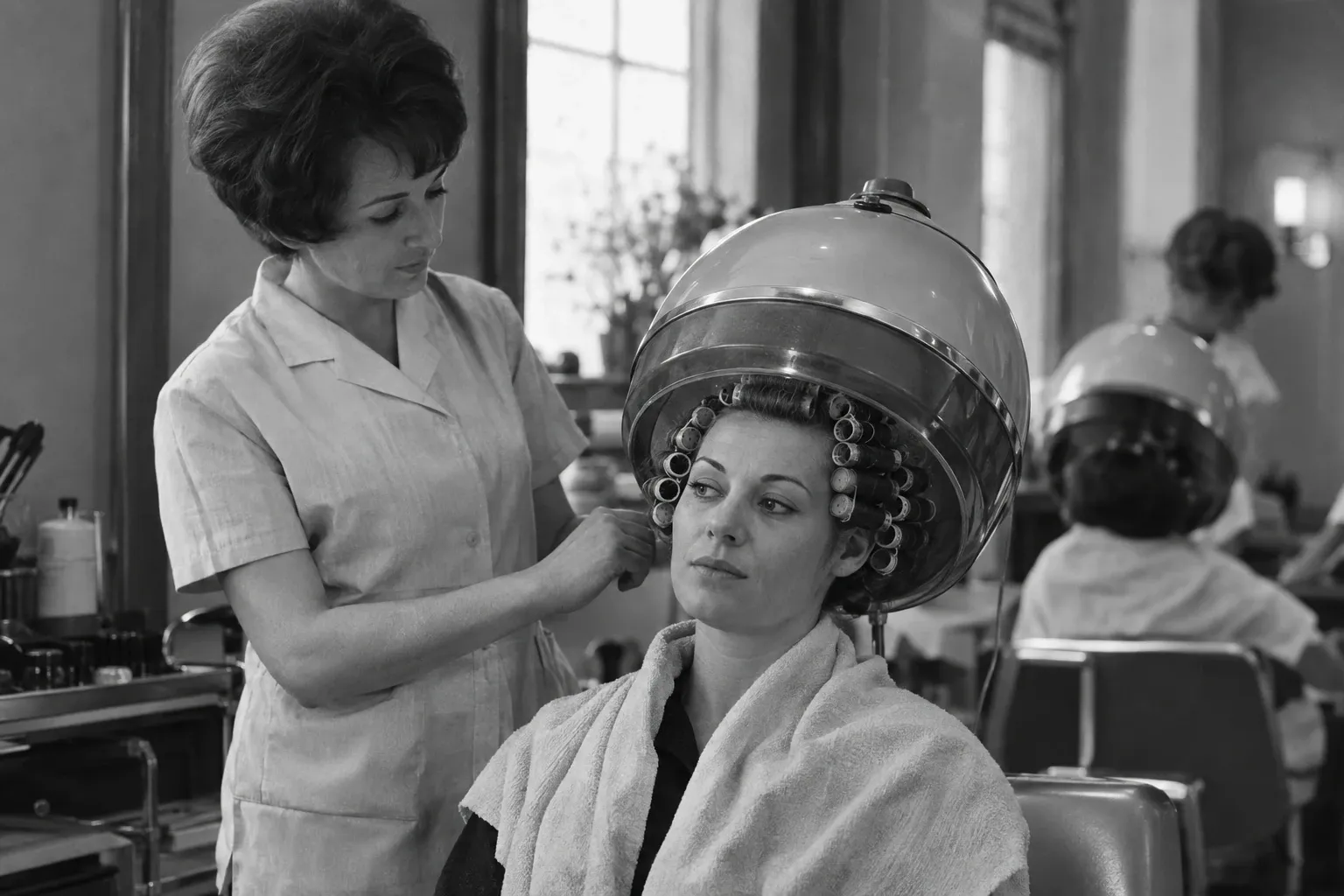
If you’re curious about where perm hair comes from, the story starts with heat and hardware and ends with bottles and timers. Knowing that story helps you picture what a perm is doing to your hair today: why rods matter, why some lotions feel stronger, and why the word “permanent” only means “until your hair grows out.” This piece follows the path from the first public demonstrations to the late‑1940s cold wave and beyond, with the key inventions and the chemistry that still underpins modern perms.
Who first turned curls from a passing style into a “permanent”?
The milestone most historians point to is the London demonstrations by Karl Ludwig Nessler (later Charles Nessler) in the 1900s, where he used an electric apparatus to set a lasting wave; the Smithsonian’s Lemelson Center summarises his early machine work and move from London to the United States. According to the Center’s profile, Nessler publicly showed his machine process in the mid‑1900s and later expanded it commercially in New York (Lemelson Center, Smithsonian).
What did those early perms actually involve?
The first salon systems were mechanical and hot. Hair was wound on metal rods connected to a hanging heater array; operators used steaming sachets and shields to manage heat. Museum collections preserve complete rigs that show how industrial the service was compared with today’s chairs and bottles; the Science Museum Group, for example, holds a Wella permanent‑wave machine with chemical accessories from the interwar years (Science Museum Group collection). If you like tracing how hairstyles travel over time, you’ll find more background in our section on where hairstyles come from.
When did the perm switch from hot machines to bottles at room temperature?
The turning point was the “cold wave,” a room‑temperature process using thioglycolate lotions and an oxidising neutraliser. Dermatology and safety studies from the late 1940s describe cold‑wave testing on large volunteer groups, explicitly naming ammonium thioglycolate as the reducing agent, which shows how quickly the chemistry left the lab for salons (JAMA, 1949 clinical study). An international review of hairdressing exposures adds that ammonium thioglycolate solutions have been standard in salons since the late 1940s (IARC/NCBI Bookshelf review).
What changed in the chemistry—and what does that mean for your hair?
Cold‑wave lotions reduce disulfide bonds inside the hair so it can be reshaped on rods; a neutraliser then reforms bonds in the new pattern. The same IARC review explains that from the 1950s most waving preparations relied on salts of thioglycolic (mercaptoacetic) acid, typically ammonium thioglycolate, while alternative formulas appeared for different hair needs—glyceryl monothioglycolate in so‑called “acid” or “buffered” waves, and cysteine‑based waves used in some markets like Japan. In practice, alkaline waves tend to act faster and feel stronger; acid‑balanced waves are designed to be gentler but may need added heat or longer processing. The core idea—reshape, then lock in—comes straight from that 1940s cold‑wave breakthrough.
How did the service spread from salons to living rooms?
Once thioglycolate waves were established, manufacturers packaged “home permanent” kits. Museum and archival summaries from the Smithsonian note that by the late 1940s, boxed kits let people attempt a cold wave at home, cementing the perm’s popularity alongside professional services (Smithsonian, Hair Care spotlight). The look evolved—from tight sets to looser body waves—but the bottle‑and‑rod method remained familiar.
What are you choosing today when you ask for a perm?
- Hot machine wave (historical): heavy apparatus, steam and electricity; today it’s museum‑piece technology rather than a salon option.
- Cold wave, alkaline: ammonium thioglycolate at an alkaline pH, generally quicker processing and firmer curl; the backbone of many modern perms since the late 1940s.
- Acid‑balanced/“buffered” wave: glyceryl monothioglycolate systems formulated to be gentler, often with longer times or added warmth; another long‑standing branch of cold‑wave chemistry.
How to read old perm photos—and what to look for in your own results
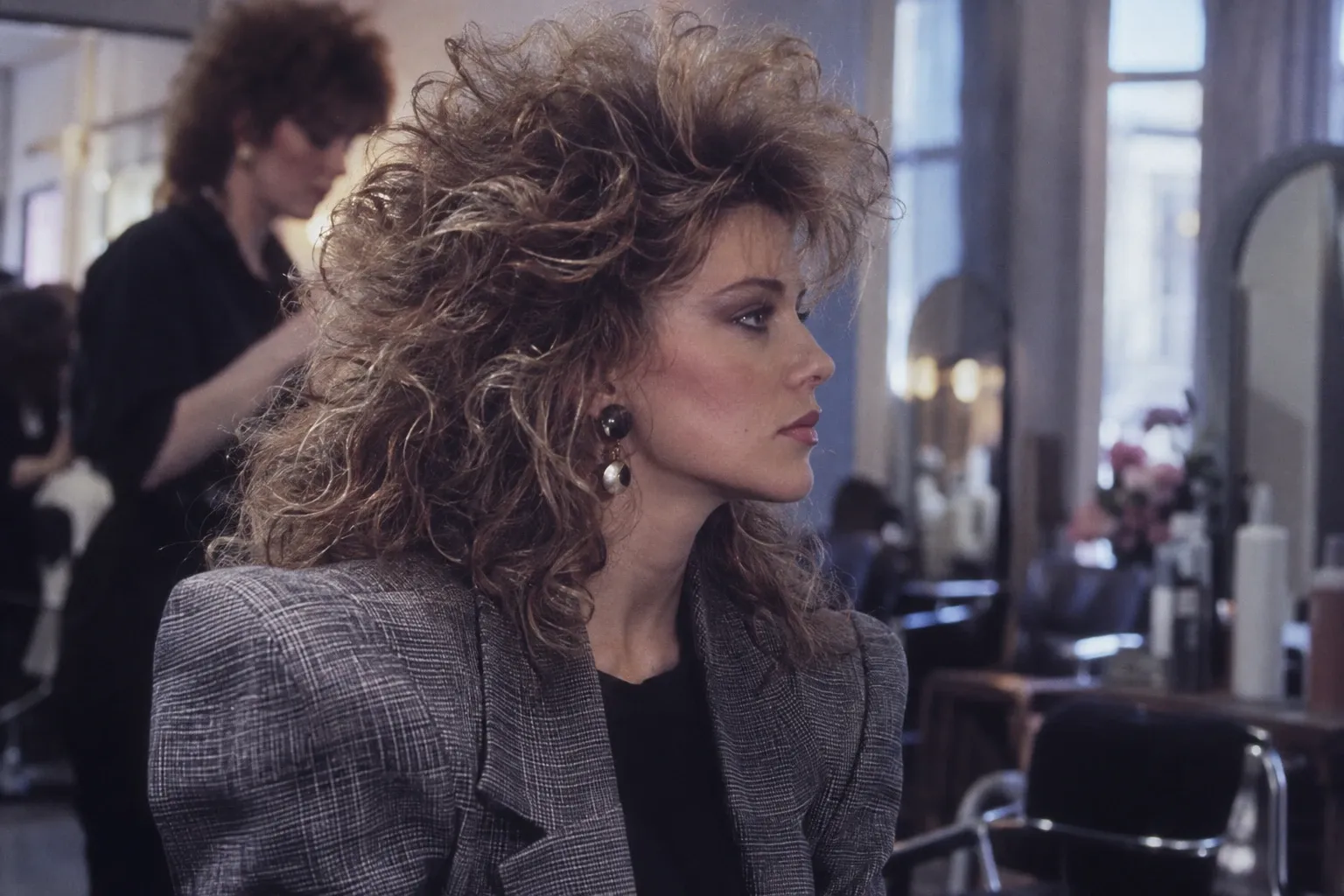
- If you see cables and heaters, you’re looking at a 1910s–1930s machine wave: the set shape came from heat on metal rods, not from a thioglycolate lotion.
- If you see bottles and a timer, that’s the cold‑wave era onwards. The lasting curl comes from chemical reduction and oxidation—documented in late‑1940s clinical studies as salons shifted to room‑temperature waving.
Related reading