How to pick a straightener that suits your hair and budget
You want sleek hair without frying your ends or wasting money. Here’s a practical way to choose a straightener that works for your hair, your routine and UK sockets.
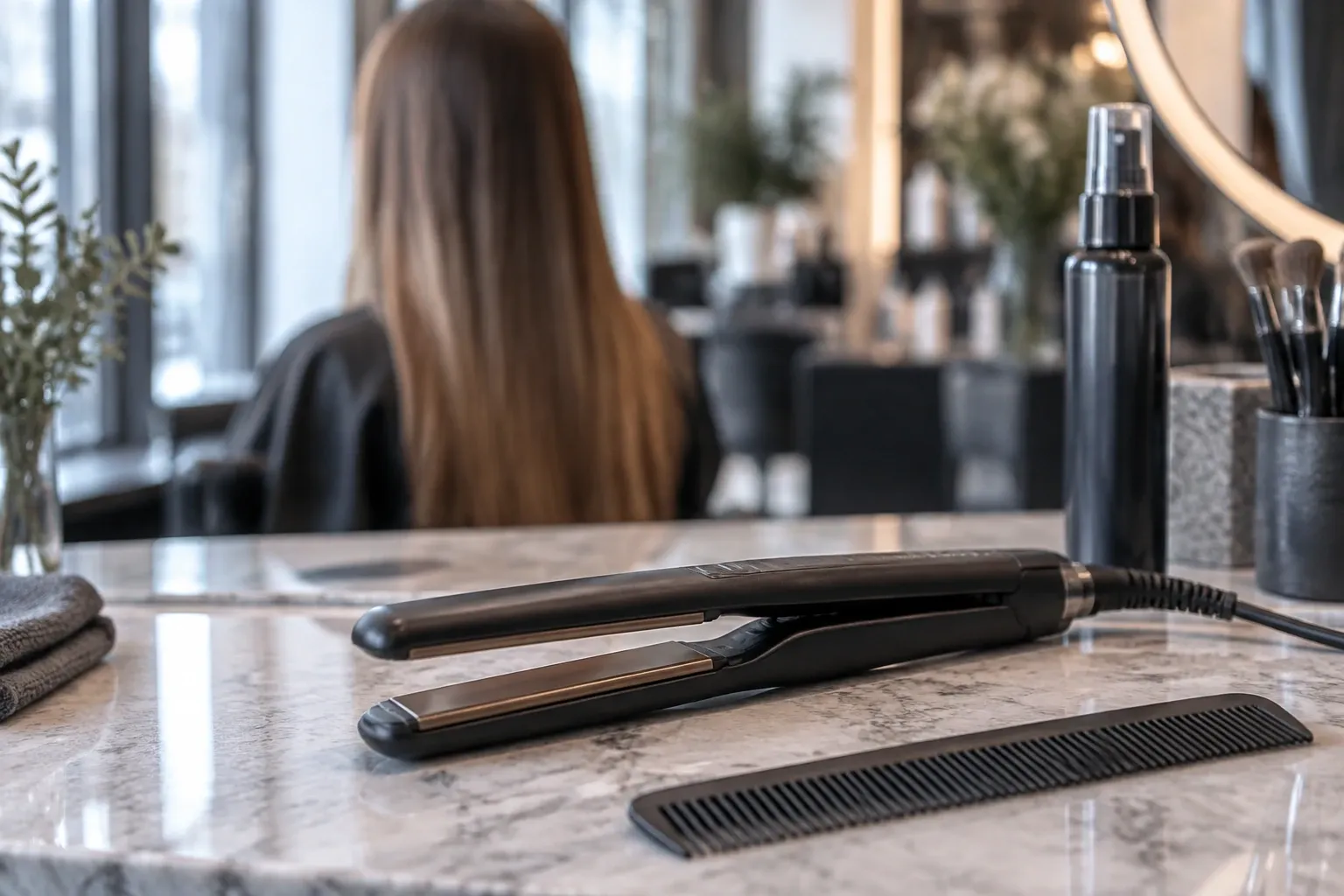
You’ll see hundreds of straighteners promising salon results. But what actually matters for your hair is plate type and size, temperature control, heat‑up consistency, and basic safety. Below, you’ll find a clear checklist to narrow the field, side‑by‑side comparisons of common options, and ways to test your choice at home. If you’re just starting to explore tools, you can also browse our overview of hair accessories that genuinely earn their place in a drawer.
What makes a straightener “the best” for you?
- Plate material and build quality: What your hair feels is even heat and consistent pressure. Independent UK testing points out that performance depends on plate alignment, temperature accuracy and recovery time as much as on whether a plate is ceramic or titanium (Which? buying guide).
- Temperature control you can trust: Keep settings as low as will style your hair; trichology guidance advises staying below about 175°C to reduce structural damage (ISHR S trichology review). A tool that holds a steady temperature is safer than one that spikes.
- Safety features for UK use: Look for a UK‑fused 3‑pin plug, clear heat lights, a heat‑resistant mat/pouch and an automatic shut‑off. These are all highlighted by the UK charity Electrical Safety First (Electrical Safety First advice).
- Plate width for hair length and texture: Narrow plates (≈2.0–2.5 cm) suit fringes, short and fine hair; wider plates tame long or dense textures with fewer passes. Independent testers also note how plate edges and tension affect glide and snagging.
- Corded vs cordless: Cordless adds freedom but battery heat time is shorter; if you go cordless, still expect to work at lower temperatures and in shorter sessions.
Ceramic, titanium, tourmaline: how do they differ in practice?
- Ceramic: Often delivers even heat at modest temperatures and can feel smoother on fine hair. Great for daily smoothing when paired with small sections and patient passes. Independent testers emphasise that true solid ceramic differs from ceramic‑coated aluminium in durability and heat consistency.
- Titanium: Lighter and fast to recover heat, useful for coarse or highly textured hair that resists straightening. Because heat transfer is brisk, keep settings conservative and work cleanly to avoid over‑heating strands.
- Tourmaline/ionic claims: Some plates or coatings aim to reduce static. Testers find results vary; the fundamentals (section size, tension, heat control) matter more than marketing terms.
Picking the right size and settings for your hair
- Short, fine or fragile hair: Choose slim plates and true adjustable temperature. Start well below 175°C, increase in 5–10°C steps only if needed. Work quickly on bone‑dry hair with a heat protectant.
- Shoulder‑length to long, normal density: Standard plates (about 2.5–3 cm) are versatile. Prioritise even heating and good plate alignment so you need fewer passes.
- Thick, coarse or very curly hair: Wider plates can reduce pass count. Keep sections neat; use gentle tension rather than cranking up the heat. Avoid exceeding ~175°C where possible and slow down your pass slightly to let heat work without repeat strokes.
Safety first at the dressing table
- Plug and protection: In the UK, mains‑operated straighteners should have a fused 3‑pin plug; an RCD in your fuse box adds shock protection. Auto shut‑off and heat‑indicator lights help prevent accidents, and a heat‑resistant mat protects surfaces.
- Around children and pets: Hot plates can stay dangerously hot for minutes after switch‑off; the UK’s accident prevention charity RoSPA warns of serious burns and urges secure storage until fully cool (RoSPA guidance).
A quick comparison of options
- Everyday all‑rounder: 2.5–3 cm ceramic plates, accurate adjustable heat, auto shut‑off, swivel cord.
- Speed on dense hair: Wider plates or titanium with reliable temperature regulation; still keep heat conservative and use neat sections.
- Travel‑friendly: Dual‑voltage rating (100–240V) clearly printed on the tool, plus a protective pouch; cordless models must also follow airline rules for lithium‑ion batteries.
How to test a new straightener at home
- Prep clean, fully dry hair and mist a heat protectant.
- Start low: set a temperature under 175°C and take a 2–3 cm section.
- Clamp lightly, glide once at a steady speed. If a single pass doesn’t smooth, adjust your section size and tension before nudging heat up a notch.
- Check for snagging: plates should meet evenly with no catching at the edges (a point raised by independent lab tests, Which?).
- After styling, place the tool on a heat‑resistant mat, switch off, unplug and let it cool out of reach (Electrical Safety First; RoSPA).
When your straightener isn’t the problem
If your ends still frizz or refuse to lie flat, look at the rest of your routine: product buildup, humidity, or weakened ends can undo a good tool. Our section on hair accessories helps you choose clips and brushes that support sleek styles without snagging. If you wear extensions, adjust heat and tension and follow specialist extensions care so bonds or tapes aren’t stressed.
Frequently asked questions
What temperature should I use to straighten my hair?
There’s no single number for everyone. Evidence-based guidance suggests keeping tools below about 175°C to limit structural damage, and adjusting downward for fine or fragile hair; thicker textures may need more time and tension rather than more heat. Always work on dry hair and add a heat protectant before styling. This threshold is discussed by the International Society of Hair Restoration Surgery’s trichology review, which advises not exceeding 175°C.
Ceramic or titanium plates: which is better?
Neither is universally “best”. Ceramic tends to heat evenly and feel gentler at lower settings; titanium transfers heat quickly and recovers temperature fast, which can help on coarse hair but demands careful control. A reputable consumer test lab notes that real‑world differences also come from plate alignment, pressure and temperature accuracy, not just the metal or coating used.
Do I need a straightener with auto shut‑off?
It’s strongly recommended. UK safety charity Electrical Safety First highlights automatic shut‑off among helpful safety features, alongside a UK‑fused 3‑pin plug, heat‑indicator lights and using a heat‑resistant mat. This reduces burn and fire risks if you’re distracted mid‑routine. If your model lacks it, be extra strict about switching off and unplugging after use.
Are straighteners safe around children?
Hot plates can stay at burn‑risk temperatures for several minutes after switching off. RoSPA warns that straighteners cause serious burns to children; keep tools and cables well out of reach, use a heat‑resistant mat or pouch, and let plates cool fully before storing. Place the tool where it cannot be pulled down by the cord.
Can I travel with my straighteners?
Yes for most trips, but check the voltage on the tool. UK mains is 230–240V; if your straightener is marked 100–240V (dual voltage) it should work abroad with the right plug adapter. In the UK, items like hair straighteners are permitted in both cabin and hold bags, but always follow your airline’s rules on lithium‑ion batteries for cordless tools.
Related reading
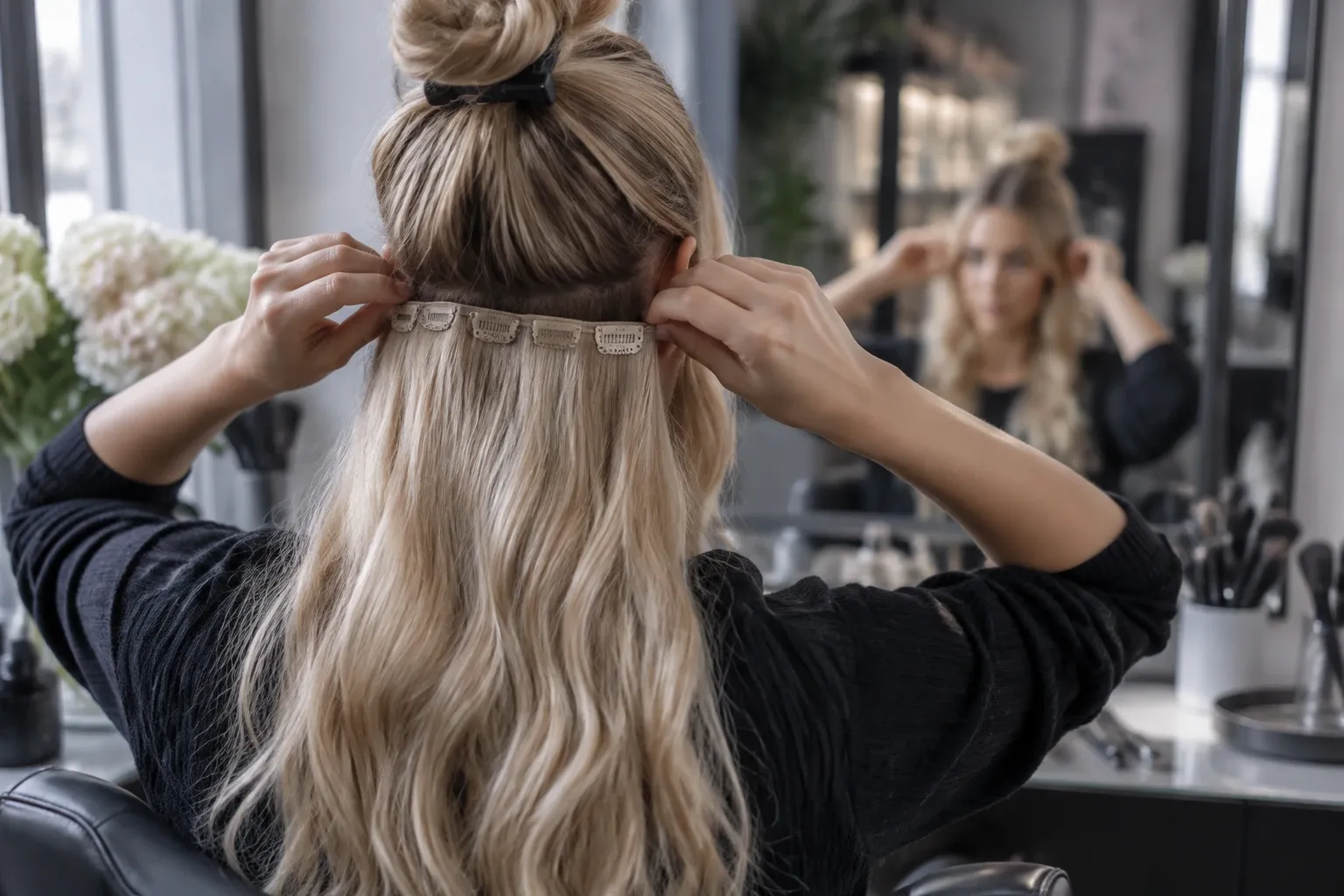
What clip‑in hair extensions can do for your hair, and how to use them well
Read more →