Keep extensions looking good without wrecking your hair
You’ve invested in extensions and you want them to look natural for months without stressing your scalp. Here’s how to look after them and your own hair, step by step.
Extensions change what your hair can do, but they also change how you need to care for it. The right routine keeps the hair soft, the bonds secure and your scalp comfortable; the wrong one leads to tangles, slipping bonds and even hair loss from tension. Below you’ll find what to use, what to avoid, and how to tell when it’s time for a break or a refit.
What does good aftercare actually protect?
You’re caring for three things at once: your scalp, your own hair and the attachment points. Constant pulling can damage follicles and lead to traction alopecia; medical leaflets name tight styles and the attachment of weaves or extensions as common causes, with risk rising if chemical relaxers or heat are also used (British Association of Dermatologists). Dermatologists also advise wearing extensions for no longer than two to three months before a break to reduce damage risk (American Academy of Dermatology).
How often should you wash, dry and detangle?
- Wash: keep the scalp clean on a schedule that suits your hair type; if you wear clip‑ins, remove them before you wash your natural hair.
- First 48 hours after fitting: manufacturers of bonded or taped systems tell you not to shampoo to let the bonds set, then to wash at least twice weekly thereafter (Great Lengths aftercare — maker guidance).
- Drying: blot, don’t rub; always dry the roots and attachment areas thoroughly on low heat so moisture doesn’t sit at the bonds or tapes (Great Lengths aftercare — maker guidance).
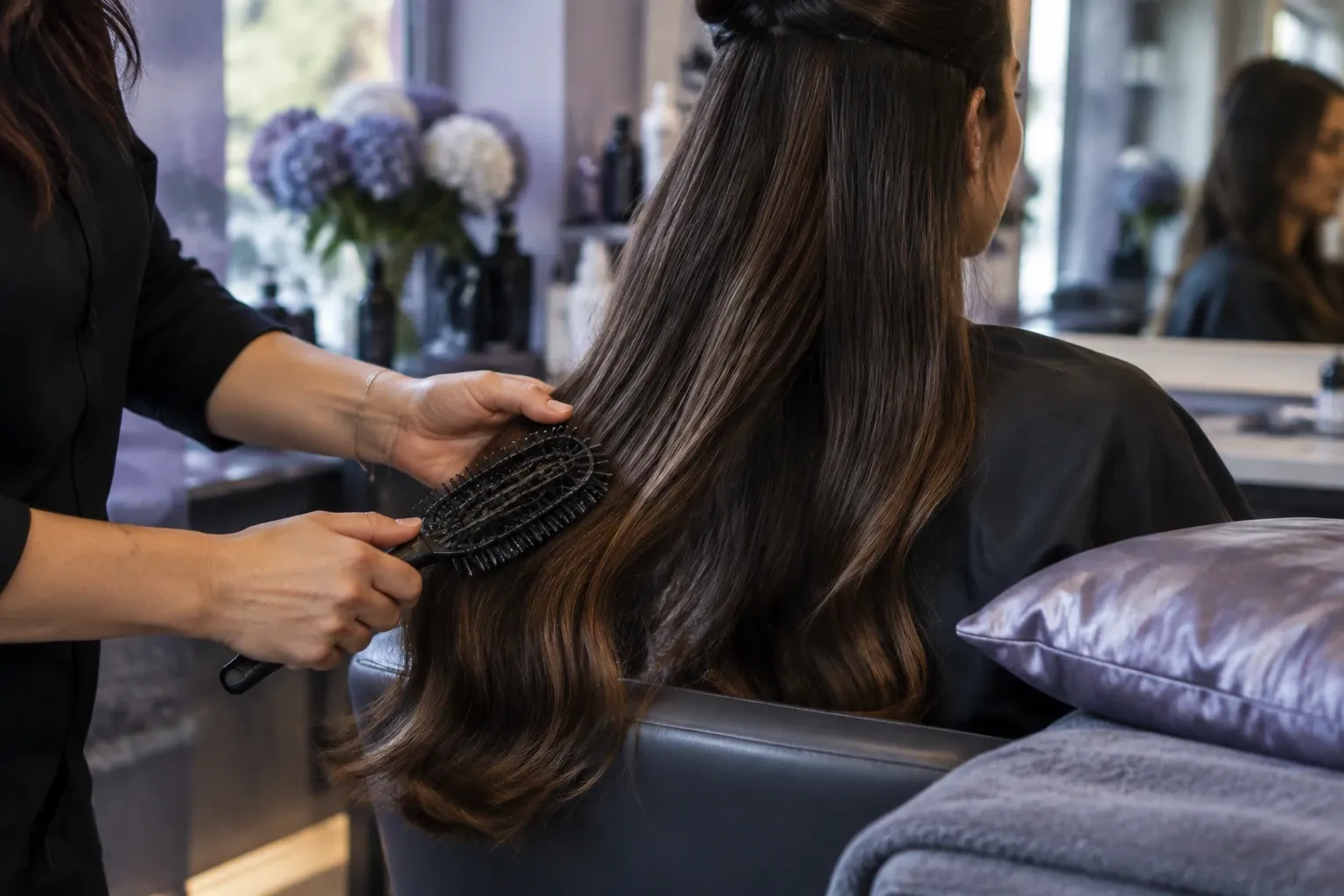
- Brushing: hold the hair at the nape, detangle ends first, then brush over the attachment points with an extension‑safe brush; separate bonded strands with your fingers to prevent matting (Great Lengths aftercare — maker guidance).
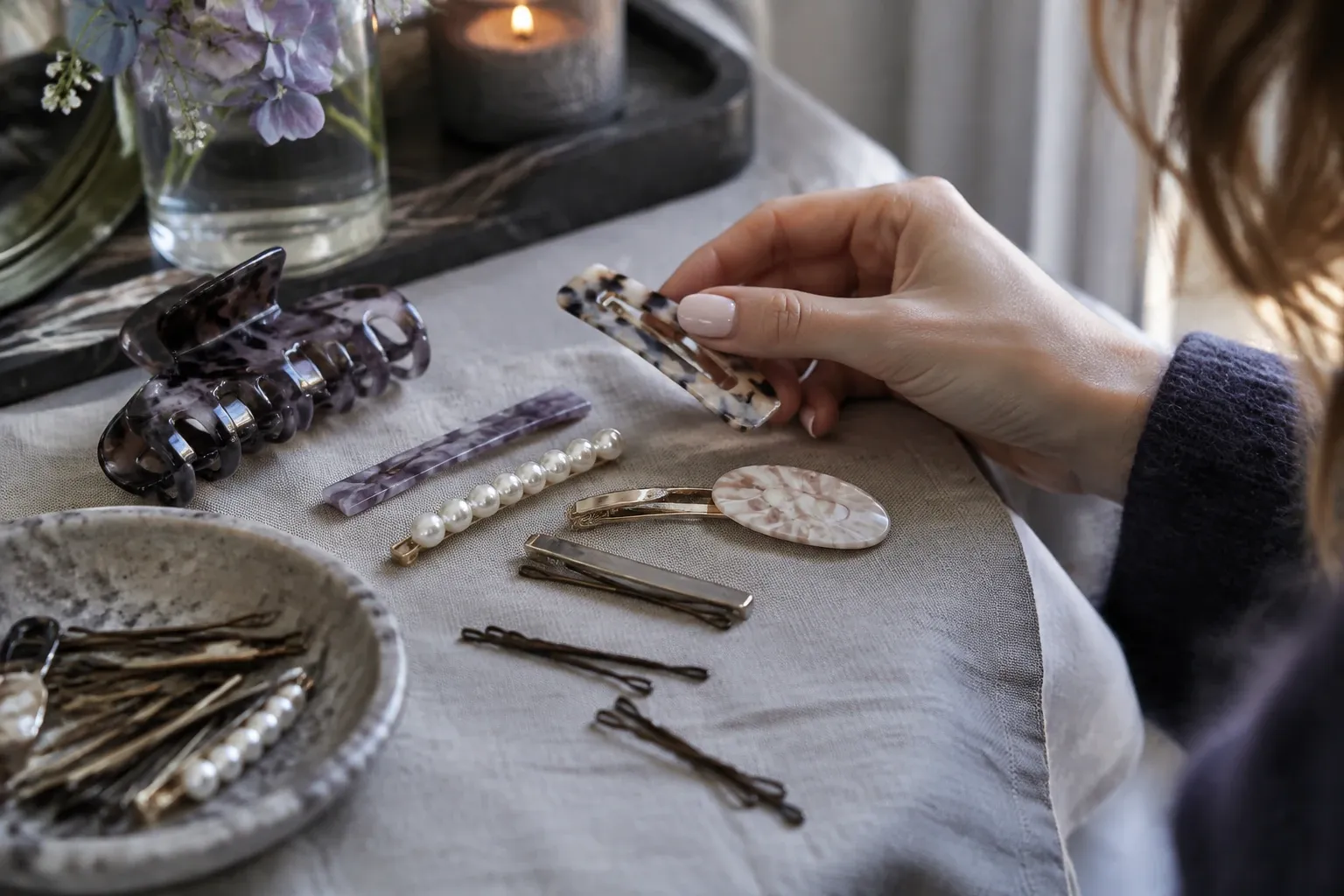
If you’re choosing tools to make this easier, our overview of hair accessories worth buying compares brushes, silk scrunchies and gentle holds that help reduce friction.
Which products and styling habits help bonds last?
- Keep heavy oils, conditioners and styling products away from bonds and tapes; apply from mid‑lengths down so nothing migrates onto the attachments (Great Lengths aftercare — maker guidance).
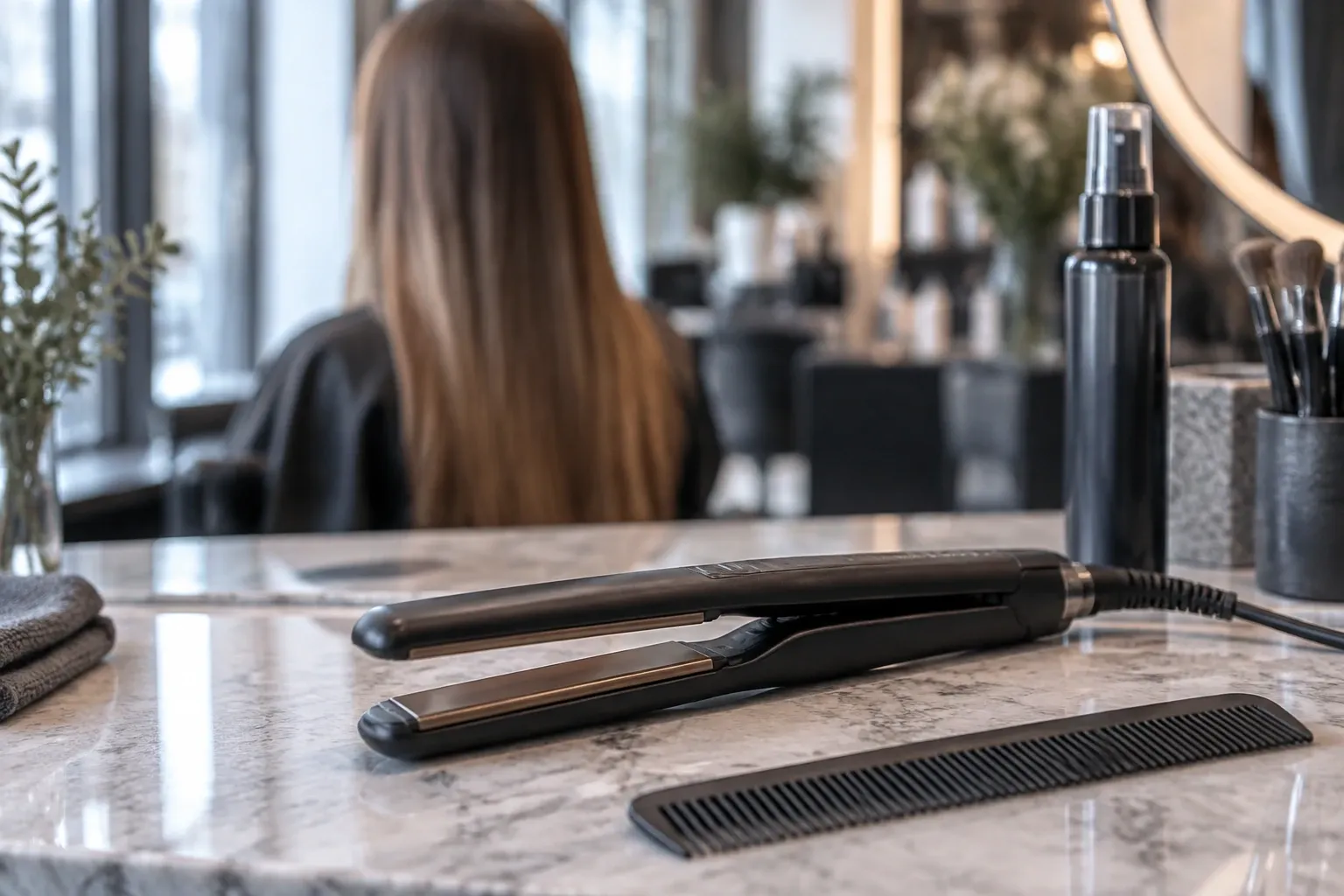
- Heat styling: use low to medium heat and avoid touching the attachment sites with hot tools; excessive heat plus tension increases breakage risk near bonds.
- Sleep: tie a loose braid or ponytail and use a silk pillowcase to reduce tangling and friction (Great Lengths aftercare — maker guidance).
- Swimming, saunas and sweaty workouts: rinse promptly and dry the attachment areas; frequent exposure to salt, chlorine and steam can shorten adhesive life (Great Lengths aftercare — maker guidance).
How do you reduce scalp stress from day one?
- The install should never hurt. If you feel pain or a headache, ask the stylist to loosen it; tight styles can cause traction alopecia, which may become permanent if tension continues (AAD; BAD).
- Adhesives and gels: medical guidance warns these can trigger irritant or allergic contact dermatitis and worsen edge breakage; avoid placing adhesive directly on the hairline and patch‑test first (BAD advice on wigs and extensions).
- Rest periods: aim for 2–3 months max per wear, then a break, and avoid leaving sewn‑in styles beyond 6–8 weeks depending on the method (AAD; BAD).
What changes for clip‑ins, tapes and keratin bonds?
- Clip‑ins: remove before washing; rotate placement and give your scalp days off to minimise repeated pressure at the same spots. If you’re weighing them up, our guide to clip‑in hair extensions covers pros, cons and fit.
- Tapes: keep conditioners and oils off the tape line; dry the tape area fully after exercise or swimming to prevent lifting (Great Lengths aftercare — maker guidance).
- Keratin bonds: be gentle at the roots, avoid heat on bonds, and separate bonds regularly with your fingers to avoid matting (Great Lengths aftercare — maker guidance).
If you like minimal, snag‑free holds for bedtime or gym sessions, see our notes on using light hair slides and clips without clamping over attachment points.
How do you know your aftercare is working?
- Bonds and tapes sit flat, don’t tangle together, and feel comfortable at the scalp.
- Your scalp feels normal — no throbbing, papules or itching. Itching, soreness or flaking at attachment margins are early warning signs of traction problems.
- Shedding pattern: some daily shed hairs are normal, but sudden thinning at the hairline or where attachments sit means reduce tension and seek help early — long‑standing traction can cause permanent loss.
When to see a professional
If pain, rash or breakage persist after loosening or removing extensions, book with a GP or a dermatologist. Medical bodies emphasise early action and breaks between installs to protect follicles and avoid permanent loss (AAD; BAD).
Frequently asked questions
How often should you take a break from extensions?
Dermatologists advise wearing weaves or extensions for no longer than two to three months at a time, then resting your hair before your next install. That pause helps prevent traction damage from constant tension, especially around the hairline. See the American Academy of Dermatology’s guidance for details.
Can glues or gels irritate the scalp?
Yes. Medical dermatology sources report that wig and extension adhesives can cause irritant or contact dermatitis and may worsen traction problems at the edges. Patch-test on a small area first and avoid placing adhesive directly on the hairline.
Why do some bonds slip after swimming or workouts?
Chlorine, salt water and frequent sweating can shorten the life of tapes or keratin bonds. Manufacturers recommend thorough rinsing and careful drying at the attachment points after these activities to protect the adhesive area.
Are clip-ins safer than bonded or taped extensions?
Clip-ins avoid adhesives, but they still create traction where the clips sit. Remove them before washing your hair and don’t wear them continuously for months; give your scalp regular breaks to reduce tension on the follicles.
What are early red flags of traction alopecia?
Look for tenderness, itching and thinning or short broken hairs along the edges or where extensions are attached. If you notice these signs, loosen or remove the style and speak to your GP or a dermatologist early, as long‑standing traction can cause permanent loss.
Related reading
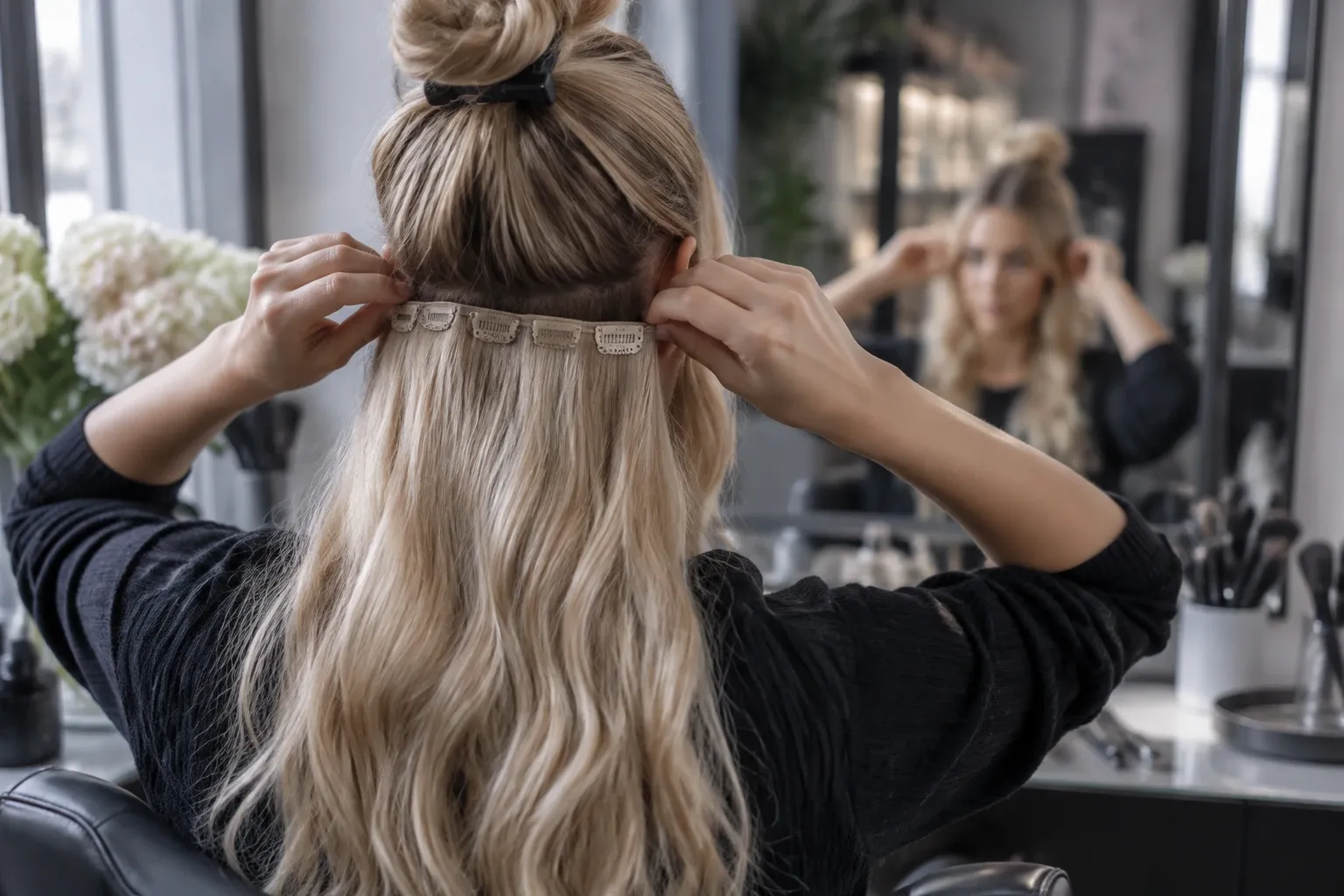
What clip‑in hair extensions can do for your hair, and how to use them well
Read more →