Halo extensions you can put on, blend and take off in minutes
You want extra length or fullness without salon bonds or daily clipping at your roots. Here’s how a wire‑held halo extension works, how to choose one, fit it well and keep your scalp comfortable.
If you’re halo‑curious, you’re likely weighing up a way to add hair that doesn’t tug at your roots and that you can put on and take off whenever you like. A halo can do that because it sits on a fine wire under your top layer of hair rather than attaching strand by strand. Below, you’ll find how a halo is built, what hair it suits, how to pick weight and colour, a fitting walkthrough, and simple checks so it looks natural and feels comfortable.
What is a halo extension and how does it stay on?
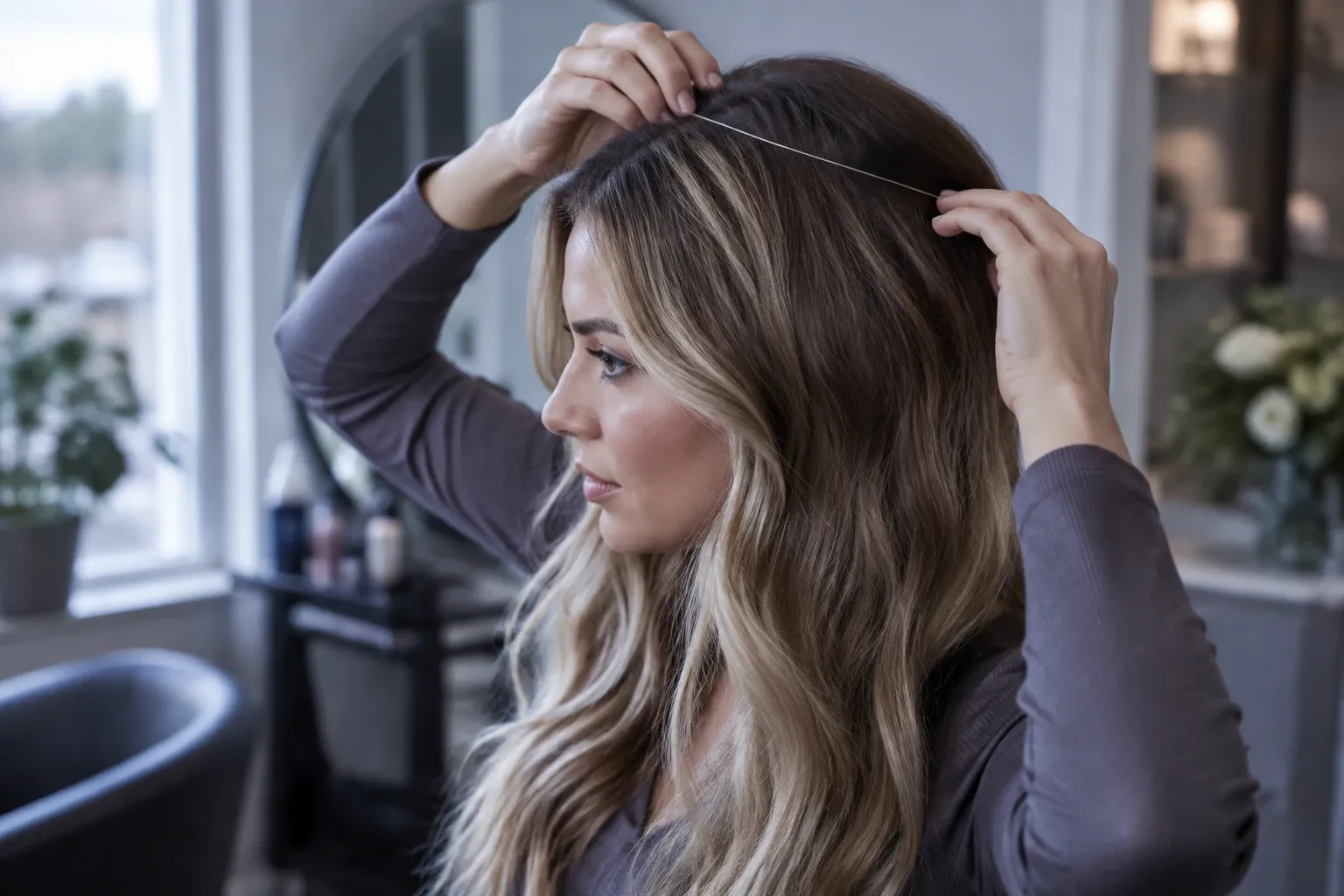
A halo is a single wide weft of hair attached to a thin, clear “wire” that rests around your head like an invisible headband; your top layer of hair sits over it to hide the wire. Brands describe the fit as snug without clips, glue or heat, with the weight of your own hair helping to keep the piece in place (HALOCOUTURE FAQ). Some manufacturers offer optional support clips under the weft or an adjustable wire to fine‑tune the size (Epoche Hair’s fitting notes).
Will a halo suit your hair and scalp?
Because a halo doesn’t attach to individual hairs, it avoids the constant localised pull you get with methods that grip at the roots. Dermatologists warn that persistent tension from tight styles or extensions can cause traction alopecia if it’s not addressed early (British Association of Dermatologists). NHS trusts give similar advice: styles or accessories that pull repeatedly can lead to traction hair loss (Gloucestershire Hospitals NHS advice). If your scalp is already tender, or you notice breakage around your hairline, choose the lightest, loosest‑sitting option and keep wear time reasonable.
A halo blends best when you have enough top and side layers to cover the wire and weft comfortably. If your hair is very short around the crown and temples, a multi‑piece clip‑in set (placed lower) or a salon method may hide more convincingly. If your hair is fine but long enough to drape over the wire, a halo is often the least‑fiddly way to add volume without daily clips at the roots.
How to choose: size, weight, fibre and colour
- Size and adjustability: Look for an adjustable or multi‑loop wire so you can set a snug fit without pressure points. Optional under‑weft clips can help on active days but shouldn’t be doing all the holding.
- Weight and density: Heavier wefts add more fullness but need more natural hair to cover them. If you’re new to extensions or your hair is fine, start lighter; you can add a matching volumiser weft later if the brand offers one.
- Fibre: Human hair is the most versatile for heat‑styling and tends to blend more naturally. Synthetic or heat‑friendly fibres cost less but have heat and longevity limits—check the maker’s care instructions before you style.
- Colour: Match the halo to your mid‑lengths and ends rather than the root. If you have highlights, a multi‑tone blend usually disappears better through the lengths than a single flat shade.
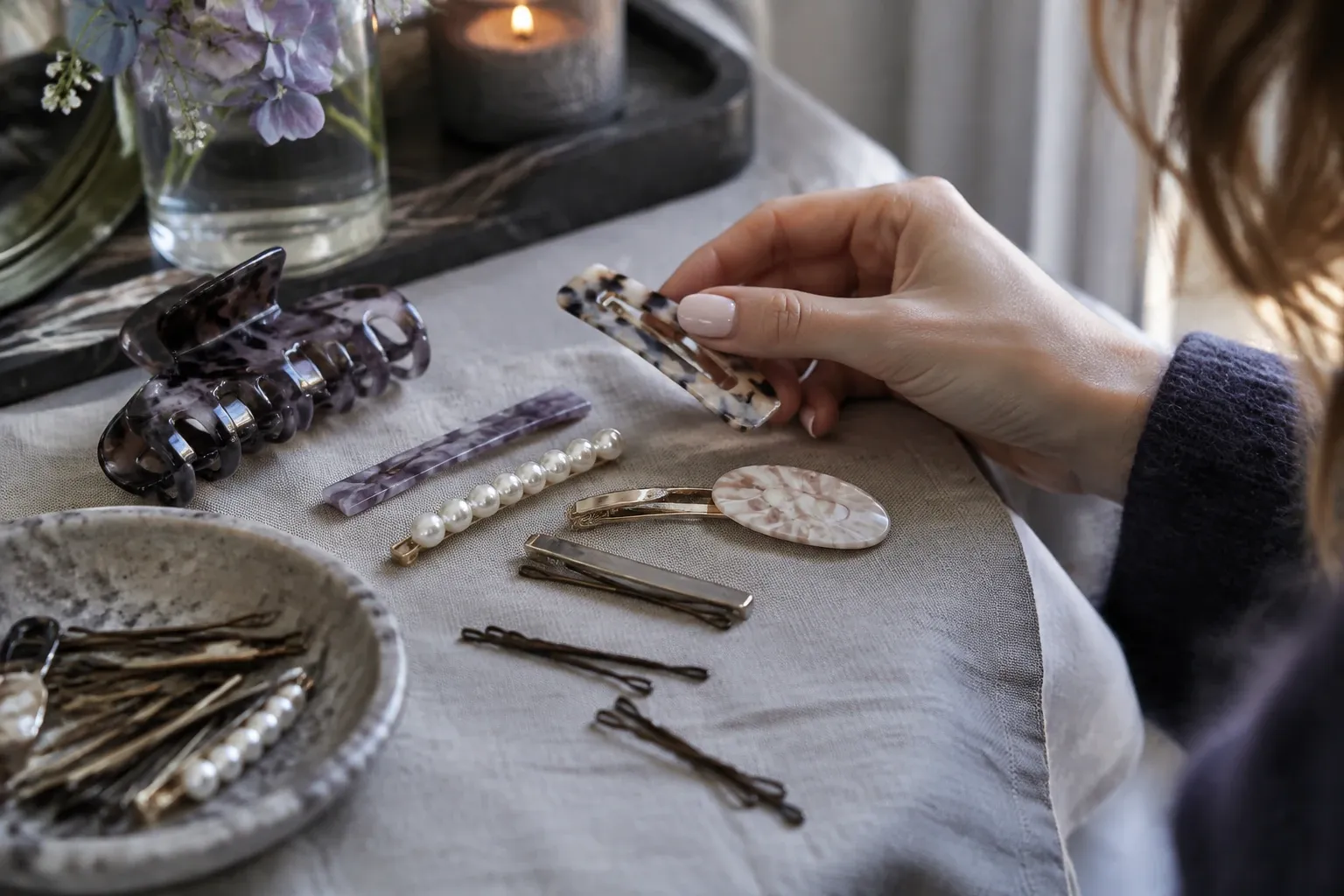
If you’re still weighing up what’s worth buying for your hair, our overview of hair accessories sets out what each tool or add‑on is good for.
Fit a halo neatly in a few steps
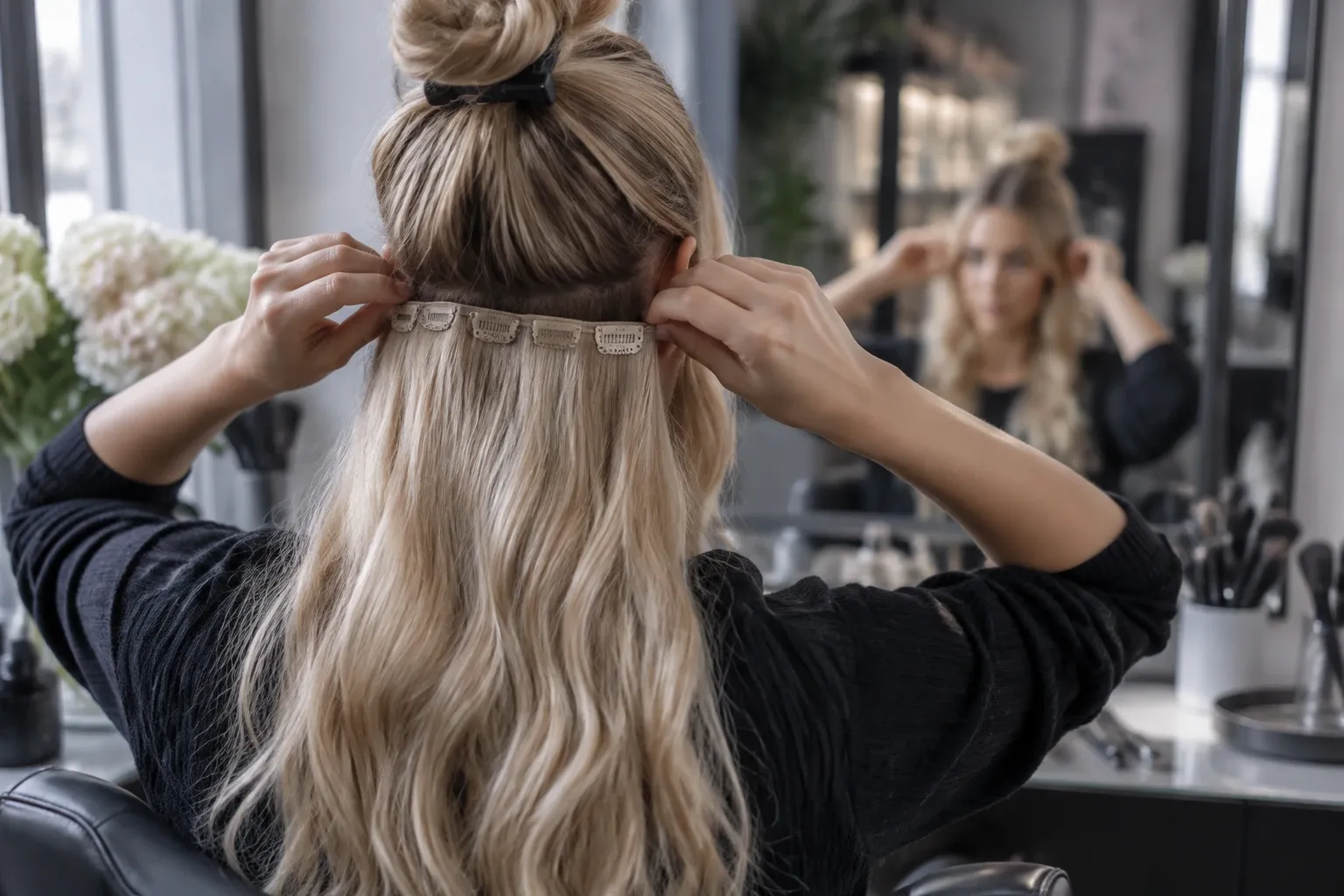
- Brush your hair and create a temporary “halo parting”: use a comb to separate a top horseshoe section from temple to temple and clip it up.
- Place the wire so it sits about 1–2cm behind your natural hairline at the front and low at the occipital bone at the back; it should feel snug without digging in.
- Release the top section, then use the tail of a comb to pull small slices of hair out and over the weft until the wire and seam disappear. Brands advise that the right fit should not shift during normal wear.
- If your model includes support clips, close them lightly into the bulk of hair—not at the very front hairline—and only if needed.
Care and comfort checks
- Before styling with heat, confirm the fibre’s limits in the maker’s care guide; many synthetic blends need low temperatures or air‑drying only. Human‑hair halos can usually be curled or straightened like your own lengths when the brand permits it (HALOCOUTURE care range page).
- Don’t wear a halo for sleep or exercise that puts repeated pressure on the wire area; remove it, let your scalp rest and re‑fit when you need it. Medical leaflets highlight that repeated pull over time—whatever the source—raises traction risk.
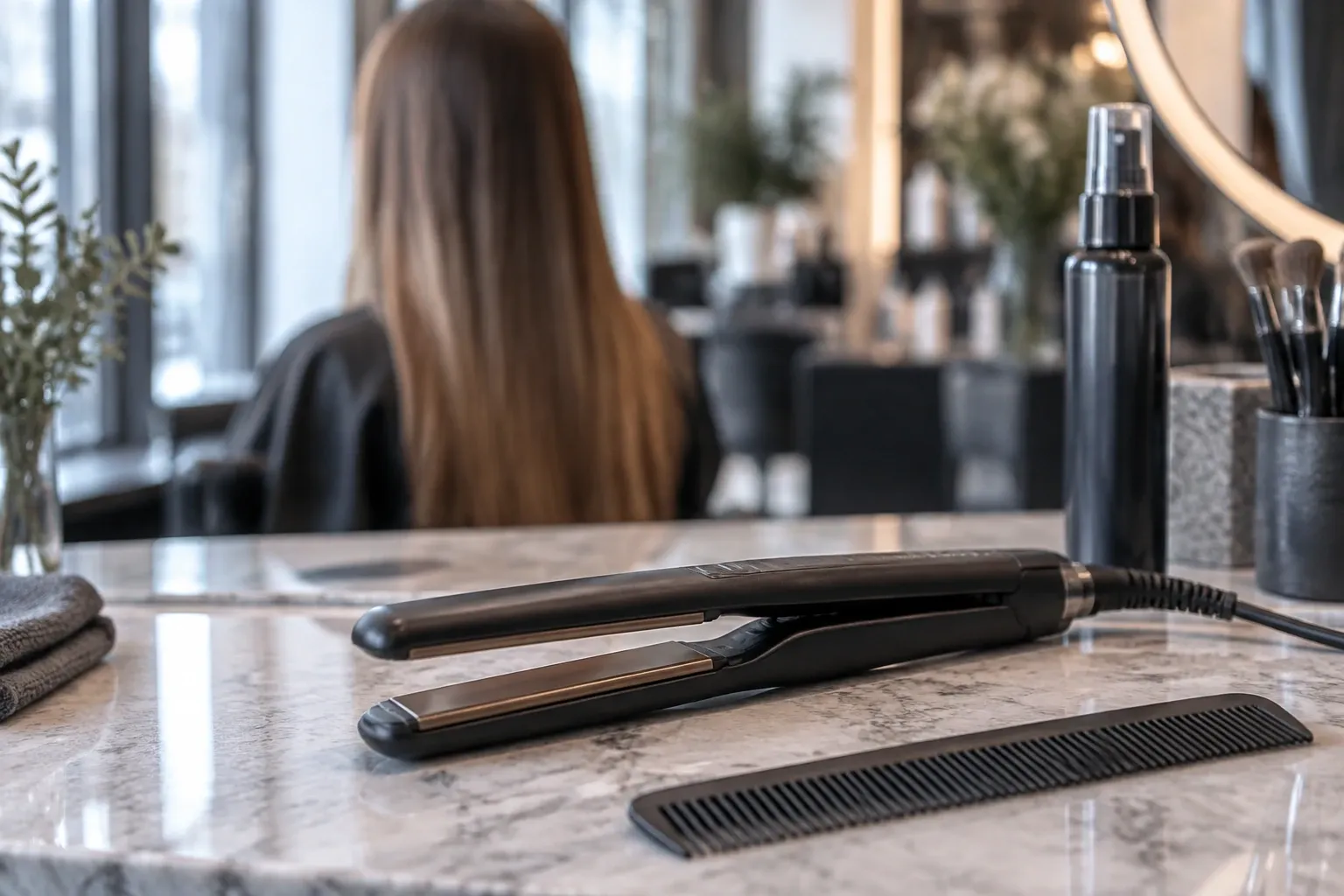
- After wear, brush ends gently from the tips up, store the weft flat, and keep the wire tangle‑free. If you plan to heat‑style often, choose tools and settings that are kind to extensions; our picks of the best hair straighteners can help you choose a temperature‑controlled iron.
For routine upkeep—washing frequency, detangling and storage—use the brand’s instructions and the general pointers in our guide to hair extensions care.
How to tell it looks natural
- The wire is invisible from normal eye level in daylight, including at the part.
- Your natural shortest layers sit smoothly over the seam with no shelf at the blend line.
- Density matches your ends: if the halo overwhelms your own hair, step down a weight or ask a stylist to trim and layer the weft.
- Comfort lasts: if you feel pressure at the temples or nape after 20–30 minutes, readjust the wire or try a lighter piece. If tenderness or broken hairs appear at the hairline, pause wear and follow medical guidance on traction risk.
Related reading
What clip‑in hair extensions can do for your hair, and how to use them well
Read more →