Pick your route into hairdressing in the UK and make it stick
You’re ready to train as a hairdresser but unsure where to start. Here’s how UK routes compare, what you’ll learn, how long it takes and how to choose well.

Maybe you love working with people, maybe you’ve always been the friend who cuts fringes. Turning that into a career means picking a training route that fits your life and leads to real salon skills. Below you’ll find how the UK pathway works, the time it usually takes, the safety basics you’ll be taught, and the practical steps to land your first role—whether you’re 16 or changing career later on.
Do you need a licence or a specific qualification to cut hair?
In the UK there is no general practitioner licence for hairdressers and no statutory requirement to hold a particular qualification; registration with the Hair Council is voluntary, according to the House of Commons Library’s briefing on who regulates hairdressers (House of Commons Library).
What are the main entry routes?
- Apprenticeship with a salon: you’re employed, train on the job and attend off‑the‑job learning towards the Hairdressing Professional (Level 2) standard. The official standard is listed on Skills England (Hairdressing Professional (Level 2)).
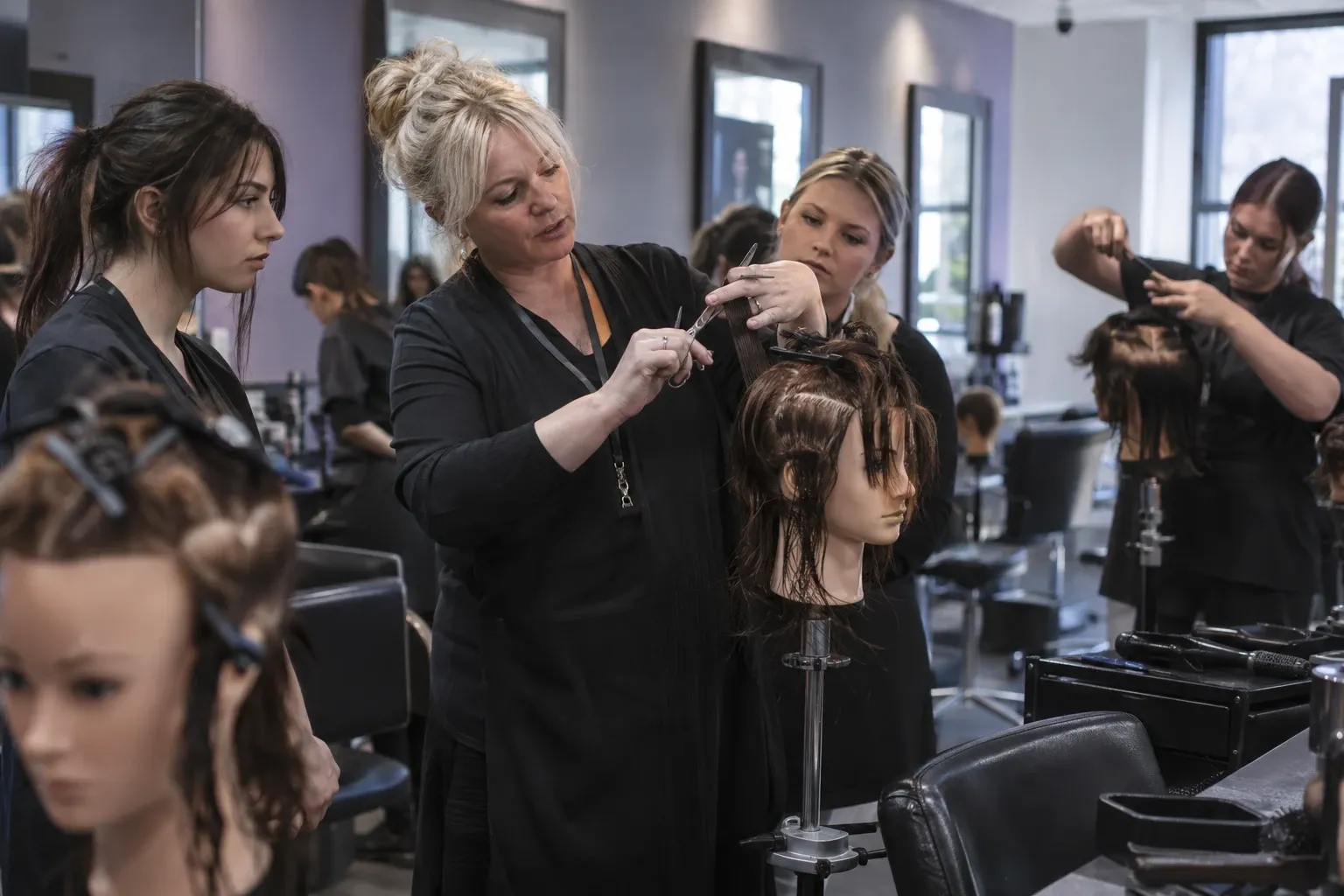
- College or private training provider: classroom and salon‑floor practice towards hairdressing diplomas/certificates, often used to progress to employment or an apprenticeship later. If you’re weighing up courses generally, see our guide on choosing a hairdressing or beauty course in the UK.
How long does it take?
The typical duration for the Level 2 Hairdressing Professional apprenticeship is around 24 months before the independent end‑point assessment, according to the government’s learning aims database (DfE learning aim: duration 24 months). Many new stylists then build experience in‑salon and choose to progress to an advanced level.
What will you actually learn first?
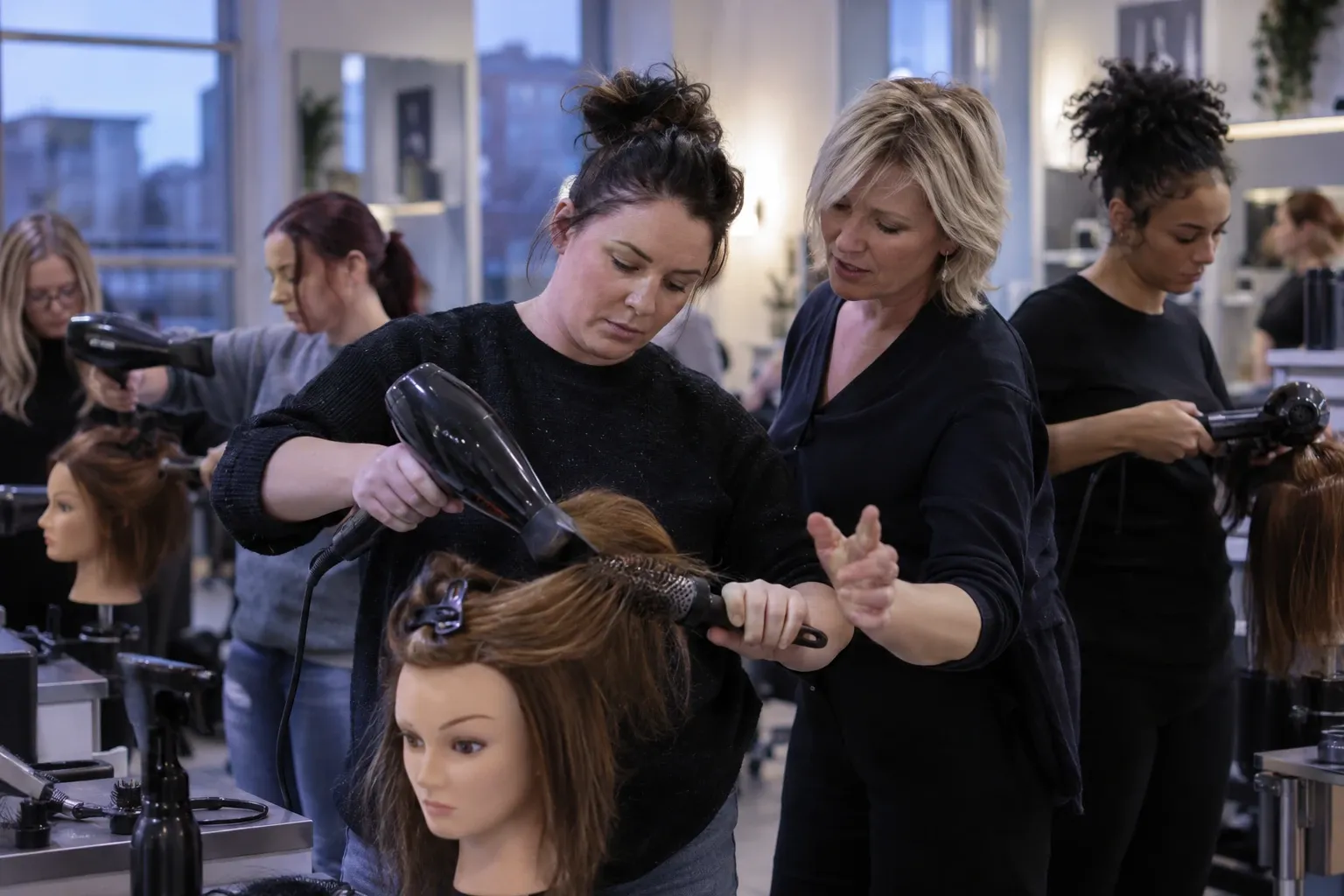
Across routes you’ll cover core salon skills: safe shampooing and conditioning, blow‑drying and finishing, classic cutting, basic colouring services, client consultation, and professional behaviours. Apprenticeships wrap these into the on‑the‑job duties and behaviours set out in the Hairdressing Professional standard.
What does a salon expect from a beginner?
- Reliability on busy days (evenings and Saturdays are normal).
- Good people skills: listening, clear consultation, calm under pressure.
- Willingness to practise the same technique until it’s consistent and safe.
- Hygiene and safety habits from day one.
What will you earn during an apprenticeship?
Apprentices must be paid at least the apprentice minimum wage; if you are 19 or over and have completed the first year of your apprenticeship, you must be paid at least the minimum wage for your age group, as set out in government guidance on eligibility for the minimum wage (GOV.UK minimum wage eligibility).
Safety basics you’ll be taught (and should take seriously)
Hairdressing involves frequent wet work and chemical exposure. The Health and Safety Executive warns that products and processes in hairdressing can cause dermatitis and asthma, and sets out simple controls such as good ventilation, skin care, and using suitable disposable non‑latex gloves for shampooing and chemical services (HSE COSHH guidance for hairdressing).
How to choose between apprenticeship and college
- Your situation now: need an income while you learn? Apprenticeship. Prefer a classroom start with set term dates? College/provider.
- How you learn best: thrive with real clients and a team around you? Apprenticeship. Want structured practice blocks first? College.
- Local options: compare salons and providers within commuting distance; ask how many learners they place into jobs each year.
- Time to qualified stylist: an apprenticeship typically takes about two years to initial qualification, then you’ll keep building speed and judgment in‑salon.
Put your choice into action in four steps
- Shadow before you sign: ask to spend a day on the floor to see how training is structured and who will actually coach you.
- Check the standard: if it’s an apprenticeship, confirm it leads to the Hairdressing Professional (Level 2) standard listed by Skills England.
- Confirm hours, pay and study time: your contract should show working hours, off‑the‑job learning time, and pay consistent with government rules.
- Look at safety: ask how the team manages skin protection, ventilation and chemical services in line with HSE advice.
How to tell your training is working
- You can carry out core services (one‑length and layered cuts, blow‑dries, root retouch) to time under light supervision.
- Your consultations are clear and your tutor or senior stylist signs off your service plans.
- You can explain the safety checks you use and why (for example, glove choice and ventilation) in line with HSE guidance.
- Clients rebook with you and you start to build a column.
Thinking ahead: add-ons and specialisms
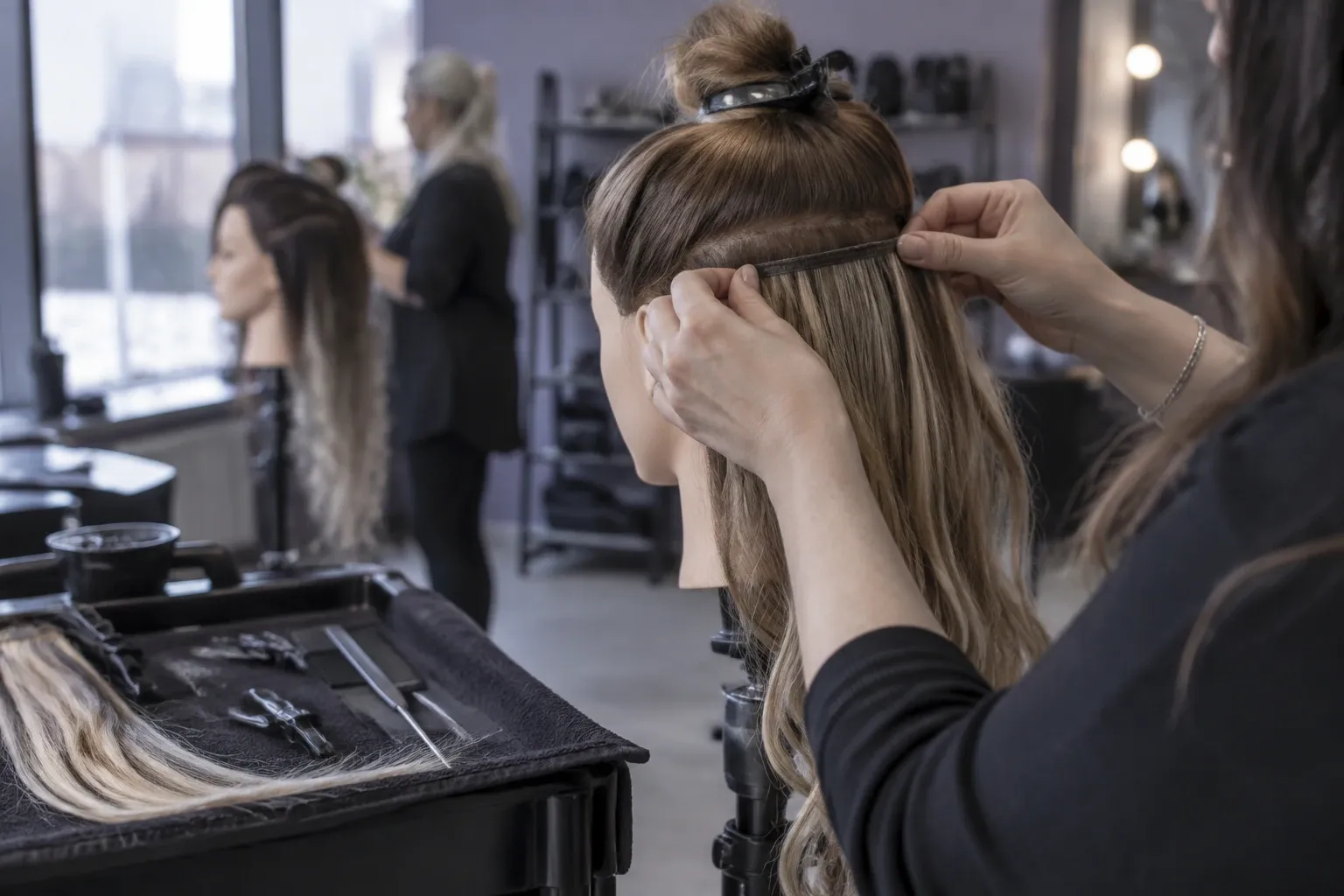
Once you’re confident with the basics, you can add specialist skills such as creative colour, session styling or extensions. If that’s your interest, we’ve explained how to weigh up hair extension courses and what to ask a provider before you book.
If you trained abroad
If you already hold a non‑UK qualification, check how it maps to UK expectations in your job search. The UK does not mandate a particular certificate to work as a hairdresser, but employers will want evidence of your training; the Commons Library briefing explains the current position on regulation and voluntary registration.
Related reading
Pick a hair extension course that actually gets you insured and working
Read more →