Choose a beauty therapy course that genuinely builds salon skills
You want a course that actually gets you working on real clients, not just a certificate. Here’s how UK qualification levels, standards and providers fit together so you can pick the right route.
If you’re weighing up beauty therapy training, the choice can feel noisy: colleges, private academies, fast‑track diplomas and pricey add‑ons. The truth is, not all certificates carry the same weight with employers or insurers. Below, you’ll see how UK qualification levels work, what National Occupational Standards are, and the practical checks that help you filter courses. We also map common routes from a first Level 2 to more advanced skills, plus the red flags to avoid.
What do UK qualification levels mean in beauty?
In England, Wales and Northern Ireland, regulated qualifications sit on the Regulated Qualifications Framework (RQF) from Level 1 to Level 8; the higher the level, the more demanding the learning outcomes, as explained on GOV.UK. For most entry roles in salons and spas, you’re looking at Level 2 (foundation practical skills) and Level 3 (broader, more advanced treatments). The level tells you the depth and complexity, not the mode of study.
Who sets the standards your course should meet?
National Occupational Standards (NOS) describe what competent performance looks like in specific treatments and underpin many UK beauty qualifications. They’re developed by Habia, the government‑recognised Standard Setting Organisation for hair and beauty; courses aligned to the latest NOS reflect current industry practice, as Habia sets out on its about pages and explains when inviting input on new NOS suites here. Some providers also seek Habia course endorsement to show alignment with the up‑to‑date NOS, as described on Habia’s endorsement page.
Typical routes into beauty therapy
- Further education college qualifications: Many learners start with a Level 2 then progress to Level 3. The National Careers Service summarises role expectations and common training routes on its Beauty therapist profile.
- Apprenticeships and on‑the‑job training: These combine paid work with assessed learning; check the advertised apprenticeship’s qualification level and awarding organisation. The RQF level definitions on GOV.UK help you read the listing.
- Private academies and short courses: Useful for add‑on skills, but quality varies. BABTAC, a leading UK professional association and insurer, notes that the UK beauty sector is broadly unregulated, so it’s vital to choose training that insurers recognise and that meets robust standards (BABTAC consumer information).
- Advanced non‑surgical aesthetics (e.g. peels, microneedling): England is moving toward a licensing scheme for higher‑risk procedures under powers in the Health and Care Act; keep an eye on the Department of Health and Social Care’s consultation on licensing non‑surgical cosmetic procedures to understand likely requirements (GOV.UK consultation). Until any scheme begins, ask providers how their training maps to NOS and which insurers accept it.
How to compare beauty therapy courses fairly
- Awarding organisation and regulation: Look for qualifications issued by recognised awarding organisations (for example, VTCT/iTEC or City & Guilds). Regulated qualifications state their RQF level and title in the specification; the level definitions are set out on GOV.UK. Awarding‑body specs typically spell out units, assessment and total qualification time; as an illustration of how titles are presented, VTCT lists Level 3 Beauty Therapy diplomas in its public price/specification documents (VTCT pricing/spec).
- Alignment to industry standards: Ask how the course content maps to the latest Habia NOS for the treatments covered; Habia explains that endorsement signals alignment to current NOS.
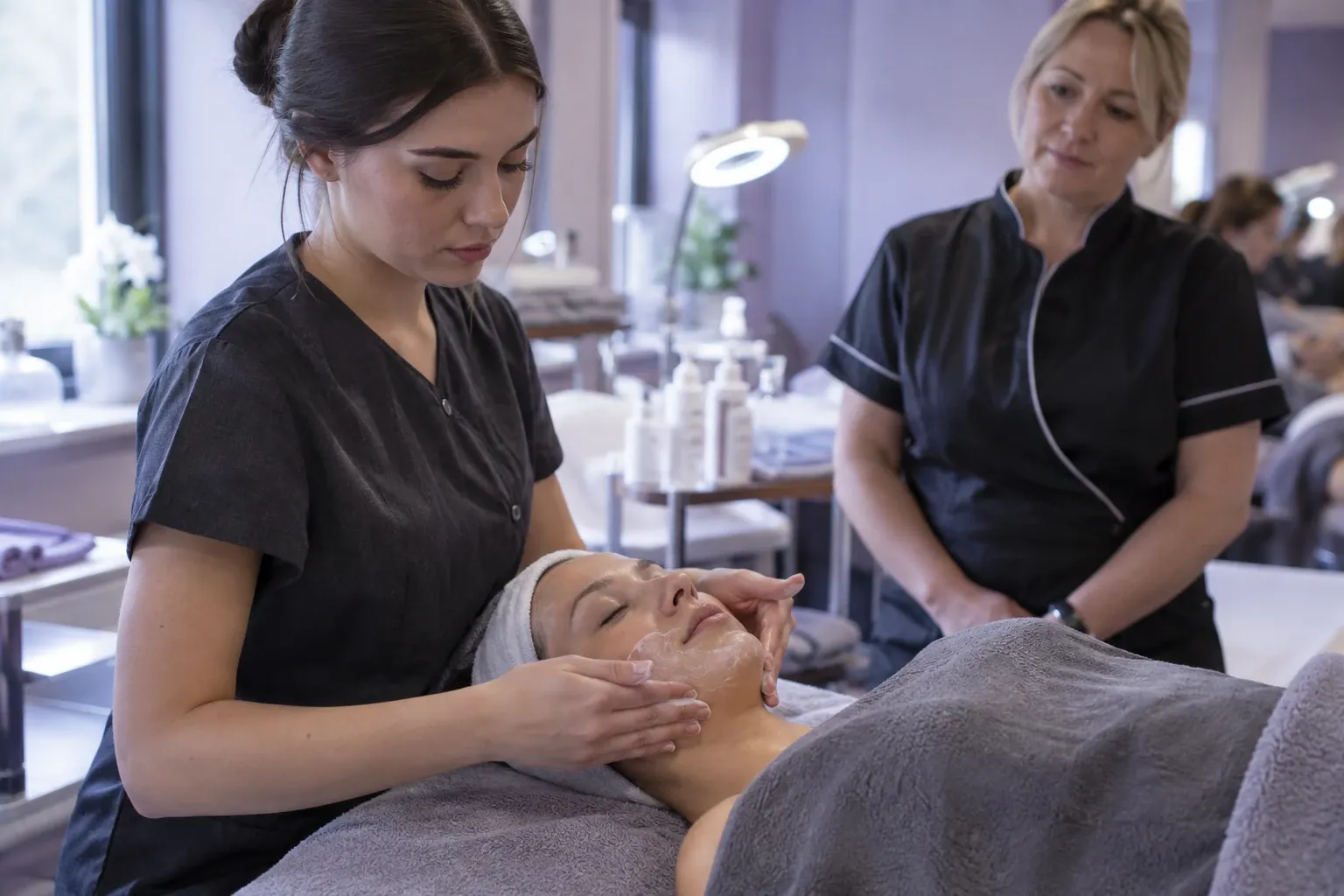
- Teaching and assessment: Prefer observed practical assessments, case studies and clinic hours over assessment that’s only online. The National Careers Service page outlines the hands‑on skills the job actually uses, which your training should develop.
- Insurance recognition: Before paying, ask which UK insurers accept the certificate for the specific treatments. BABTAC highlights why insurer recognition matters in an unregulated market.
A simple way to read course titles
Regulated titles usually show the awarding organisation, level, and type (Award/Certificate/Diploma) followed by the subject. Use the RQF level guide on GOV.UK to decode the “Level 2/Level 3” part, then open the specification to see units and assessment. If a provider cannot name the awarding organisation or show the specification, treat that as a red flag.
Example pathways you can build
- New to beauty: Start with a Level 2 generalist qualification to cover core practical skills, then move to a Level 3 to widen your treatment menu; the NCS profile shows the kinds of services entry‑level roles involve.
- Hair‑adjacent skills: If you’re leaning toward hair rather than facials or massage, see our overview of choosing a hairdressing or beauty course in the UK. You can also add specialist skills later, such as those covered in hair extension courses.
- Aesthetics add‑ons: For procedures that may fall under future licensing in England, read the government’s proposals and verify that training content follows relevant NOS and is accepted by insurers (GOV.UK consultation; Habia).
Step‑by‑step checks before you enrol
- Confirm the qualification: Is it regulated, what is the RQF level, and which awarding organisation issues it? Cross‑check the level meaning on GOV.UK.
- Map to NOS: Ask for a unit‑by‑unit mapping to the latest Habia NOS; Habia explains why NOS alignment matters and how endorsement works.
- Assessment and clinic time: Look for supervised practicals and observed treatments, not assessment that’s only multiple‑choice online. The NCS role profile is a good sense‑check of real‑world tasks your course should prepare you for.
- Insurance acceptance: Email two UK beauty insurers and ask if they accept the exact certificate for the exact treatments; BABTAC’s consumer guidance explains why this step protects you and clients.
- Future‑proofing: If you want to progress to higher‑risk aesthetics, read the latest government plans on licensing in England and choose courses that won’t need re‑training later.
How to tell your training is working
- You can perform the treatment sequence safely to standard and explain aftercare in line with NOS language; Habia’s role is to define that benchmark across the UK.
- Employers recognise the awarding organisation and RQF level without extra explanation, and insurers accept your certificate for the treatments you plan to offer, which BABTAC urges you to confirm in advance.
- Your daily tasks in training mirror the skills described for entry roles on the National Careers Service page.
Related reading
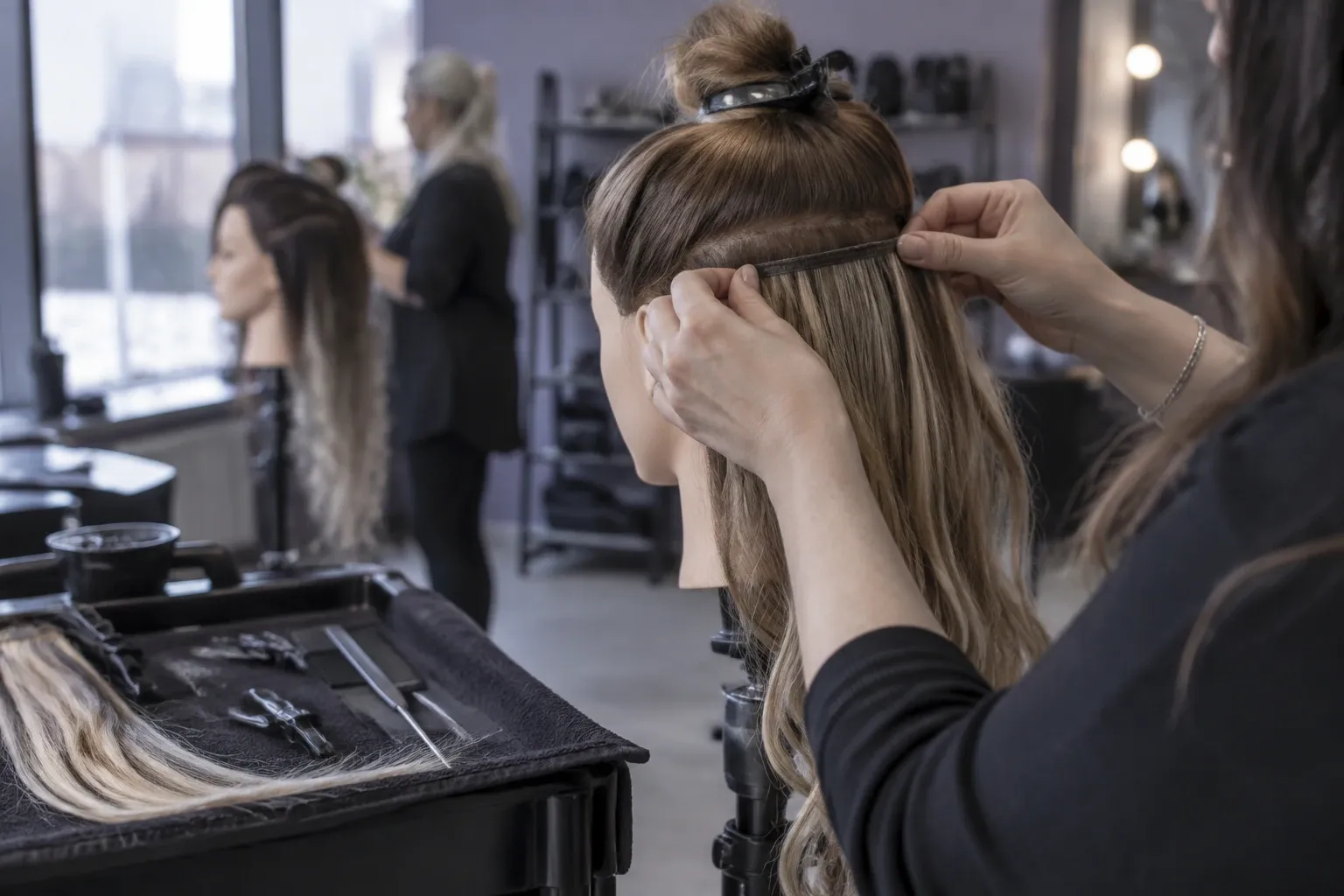
Pick a hair extension course that actually gets you insured and working
Read more →