Choose a part‑time hairdressing course that fits your life
You want to retrain or upskill without giving up work or care. Here’s how to choose a part‑time hairdressing course in the UK that’s flexible and leads somewhere.
If you’re returning to learning or changing career, the offer can feel confusing: evening classes, Saturday workshops, “fast‑track” diplomas, apprenticeships and online modules. The good news is that you can study hairdressing part‑time and build towards recognised qualifications. This guide shows you what to look for, the realistic time you’ll need, where funding may help in England, and how to check a course will open salon doors. If you’re still weighing up the wider training landscape, start with our overview of hairdressing and beauty courses.
What does “part‑time” really look like?
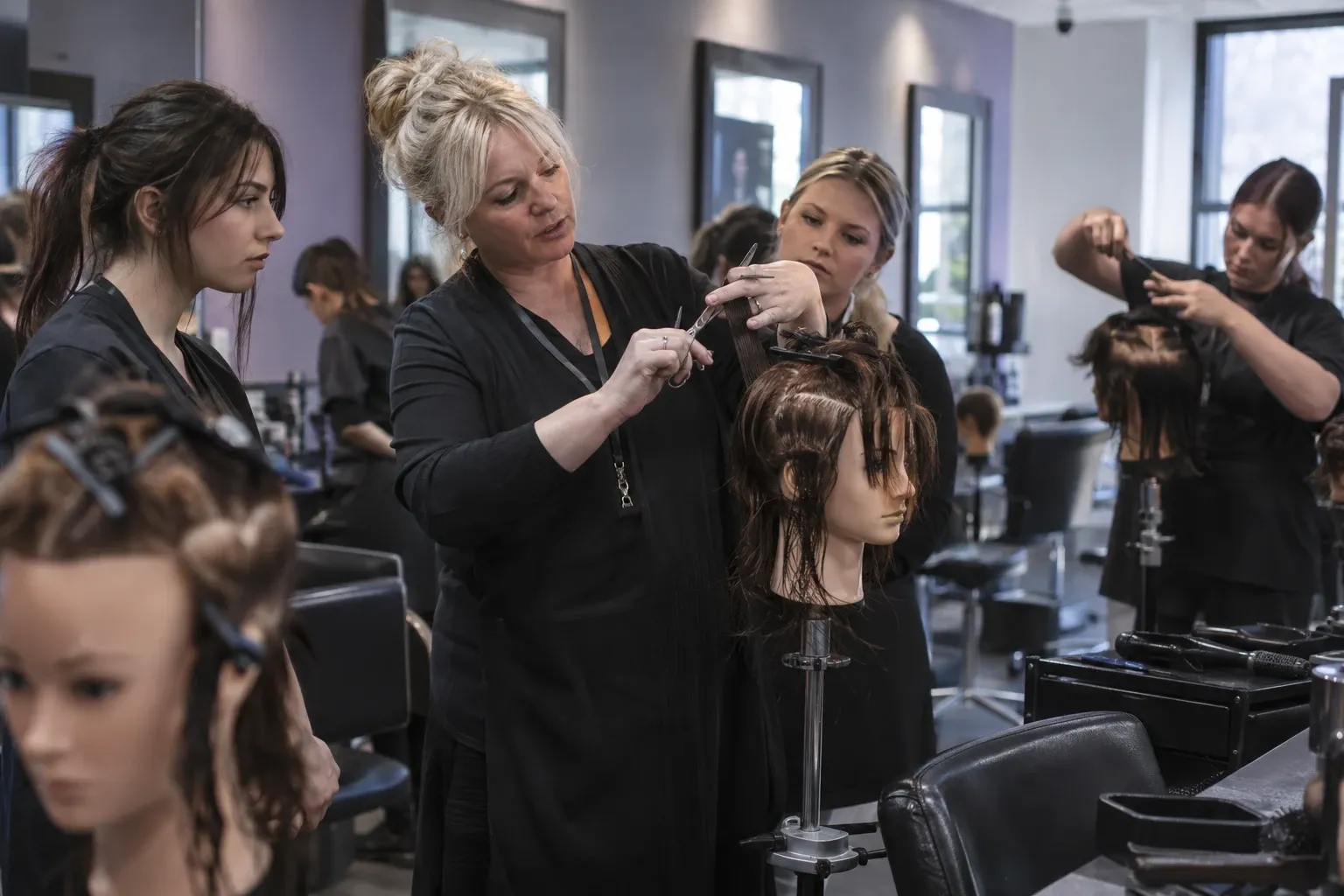
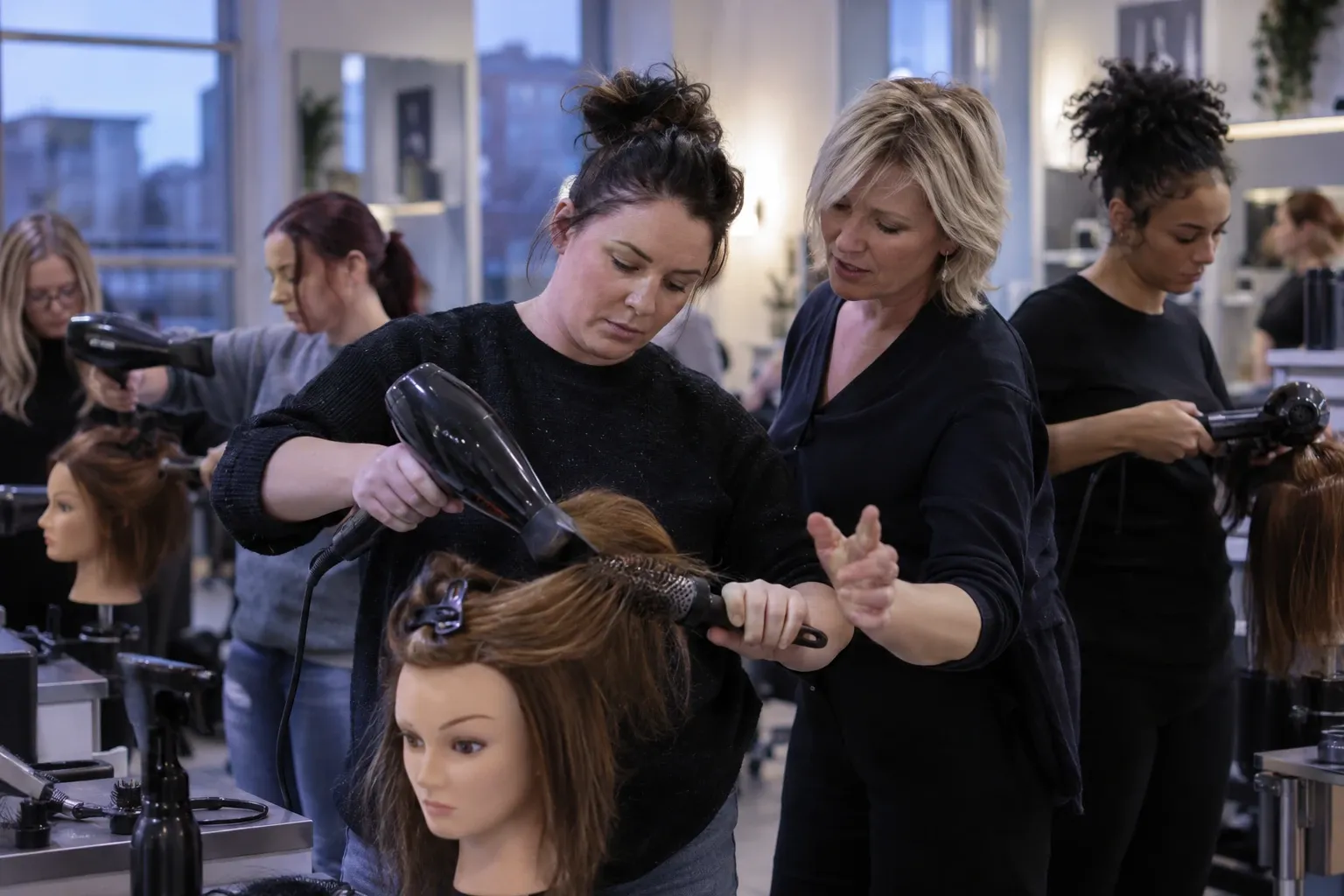
Part‑time usually means one or two taught sessions a week during term time, plus practice on models at home or in a training salon. Adult routes include college classes, private‑provider diplomas and apprenticeships that mix work with study; the National Careers Service describes college courses and apprenticeships as standard routes into hairdressing in the UK (National Careers Service).
Guided learning hours (GLH) give you a sense of commitment. For example, City & Guilds lists around 232–241 GLH for a Level 2 hair services certificate, which colleges typically spread across the year alongside independent practice (City & Guilds qualification page).
How do qualification levels work?
In England, Wales and Northern Ireland, regulated qualifications are assigned levels. At a high level, Level 2 marks solid, well‑defined tasks, while Level 3 tackles more complex and sometimes non‑routine services; this is how Ofqual describes the knowledge and skill expected at each level (Ofqual Handbook guidance). You can check what each level means across the system on the government’s overview of qualification levels (GOV.UK levels explained).
What should you check before you enrol?
- The awarding body and level: look for regulated routes such as City & Guilds or VTCT at Level 2 (starter) or Level 3 (advanced). The level tells employers what you can actually do, using the Ofqual descriptors linked above.
- Hours and timetable: match GLH and expected home practice to your week. Ask how many live‑model sessions you’ll get.
- Assessment: find out if it’s practical observations, assignments, online tests or a portfolio.
- Facilities: ask about the training salon, client booking, PPE and colour houses used.
- Progression: confirm what Level 2 grads typically move on to at that centre, and whether Level 3 includes advanced colour or creative cutting options.
- Costs beyond tuition: kits, tools, mannequin heads and exam fees can add up; providers should itemise these.
- Employer links: colleges with active salon partners make it easier to gain experience.
If you’re mapping your whole pathway, our page on hairdressing courses sets out routes alongside related options in the sector, and those curious about skincare and treatments can explore beauty therapy courses.
Which part‑time route suits which goal?
- Evening or Saturday college class (Level 2): best if you’re starting from scratch and need structure. Expect a year of weekly classes plus practice. City & Guilds’ GLH example shows why consistent attendance matters.
- Day‑release from work (Level 2 → Level 3): useful if your employer can flex your schedule and you want to progress to more advanced services.
- Adult apprenticeship: paid work in a salon with training time; the National Careers Service lists intermediate (Level 2) and advanced (Level 3) hair apprenticeships as standard options.
- Short skills modules: great for upskilling if you already work in a salon; check that any certificate is from a recognised awarding body if you need it for employment.
Can funding help in England?
If you study at Level 3 or above with an approved provider in England, you may be able to use an Advanced Learner Loan, subject to residency and course eligibility. The official guidance explains the rules and how loans are paid to the provider (GOV.UK Advanced Learner Loan eligibility; see also the annual provider rules for how attendance and payments work, which reflect what learners experience in practice: funding rules 2025 to 2026). Rules and support differ in Scotland, Wales and Northern Ireland, so check your nation’s guidance if you study outside England.
How to put your choice into practice
-
Shortlist three providers you can actually reach each week. Compare timetable, GLH, assessment and real‑client access.
-
Ask targeted questions:
- How many observed client services will I complete at Level 2?
- What’s the typical pass rate and progression to Level 3 here?
- Which colour brand do you teach on and is product included?
- How many tutor‑led hours versus self‑directed practice?
-
Visit a session. Watch how tutors manage the salon floor and feedback.
-
Check the paperwork. Make sure the offer letter names the awarding body, level and total GLH; this aligns expectations with the Ofqual level descriptions you saw above.
How will you know it’s working?
- By Level 2 mid‑point, you should competently carry out well‑defined services like one‑length cuts, basic blow‑dries and root tints under supervision, consistent with Level 2’s focus on defined tasks.
- Near the end of Level 2, you should handle a small column of clients in a training salon with timed appointments.
- At Level 3, you should plan and execute more complex and sometimes non‑routine services, building towards a small but bookable column on test clients, matching the Level 3 description.
If you want a bigger picture of routes, funding ideas and how to read a college prospectus, dip into our overview of hairdressing and beauty courses.
Frequently asked questions
Can you train as a hairdresser part‑time?
Yes. Further‑education colleges and training providers offer evening or day‑release routes, and adults can also do part‑time apprenticeships with a salon. The National Careers Service lists college courses and apprenticeships as standard routes into the job, not just for school leavers.
How many hours does a Level 2 course take?
It varies by awarding body, but as a guide, City & Guilds lists around 232–241 guided learning hours for a Level 2 hair services certificate. Colleges spread this across terms with additional practice time.
Which level should I pick first?
Level 2 suits beginners and covers core services. Level 3 adds more complex work like advanced colouring and creative cutting. In England, these levels indicate depth and difficulty across regulated qualifications.
Is there funding for adults?
In England, some Level 3–6 courses at approved providers may be covered by an Advanced Learner Loan if you meet residency and course rules. You repay through the student‑finance system once earning above the threshold.
Do I need salon experience while studying?
Most providers build in on‑site salon sessions or ask you to arrange models. Apprenticeships include paid work with training. Real clients are essential for speed, consultation skills and confidence.
Related reading
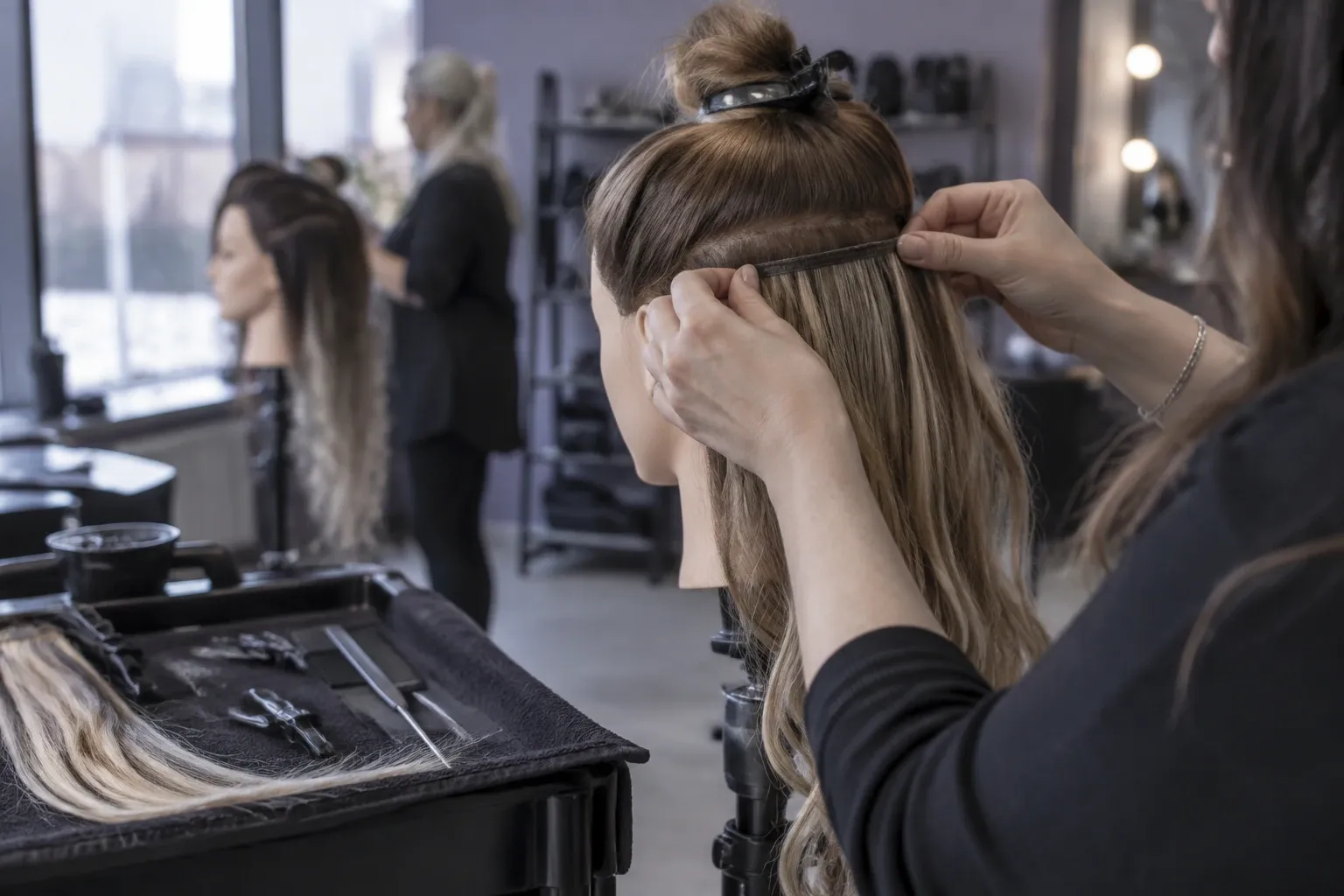
Pick a hair extension course that actually gets you insured and working
Read more →