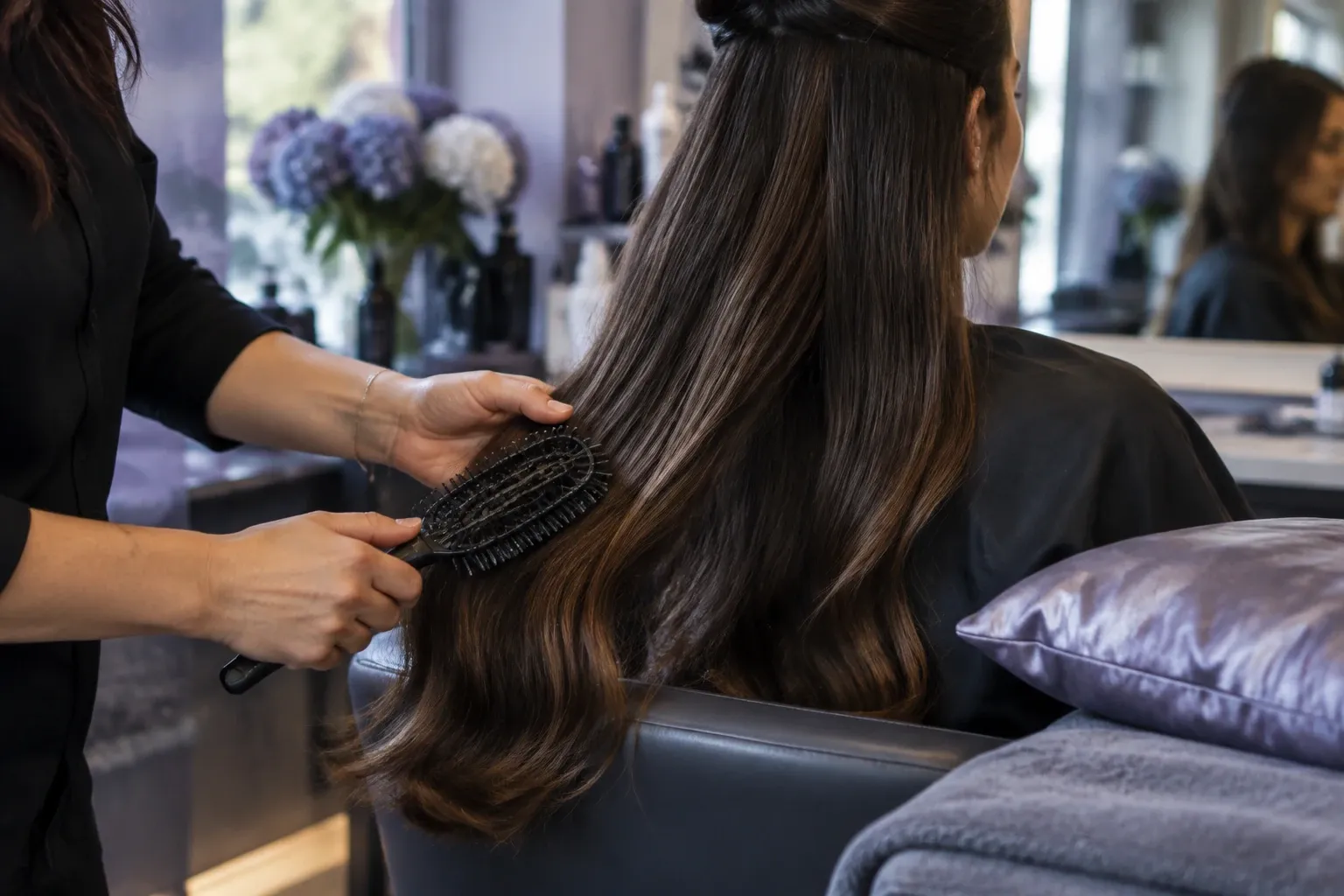
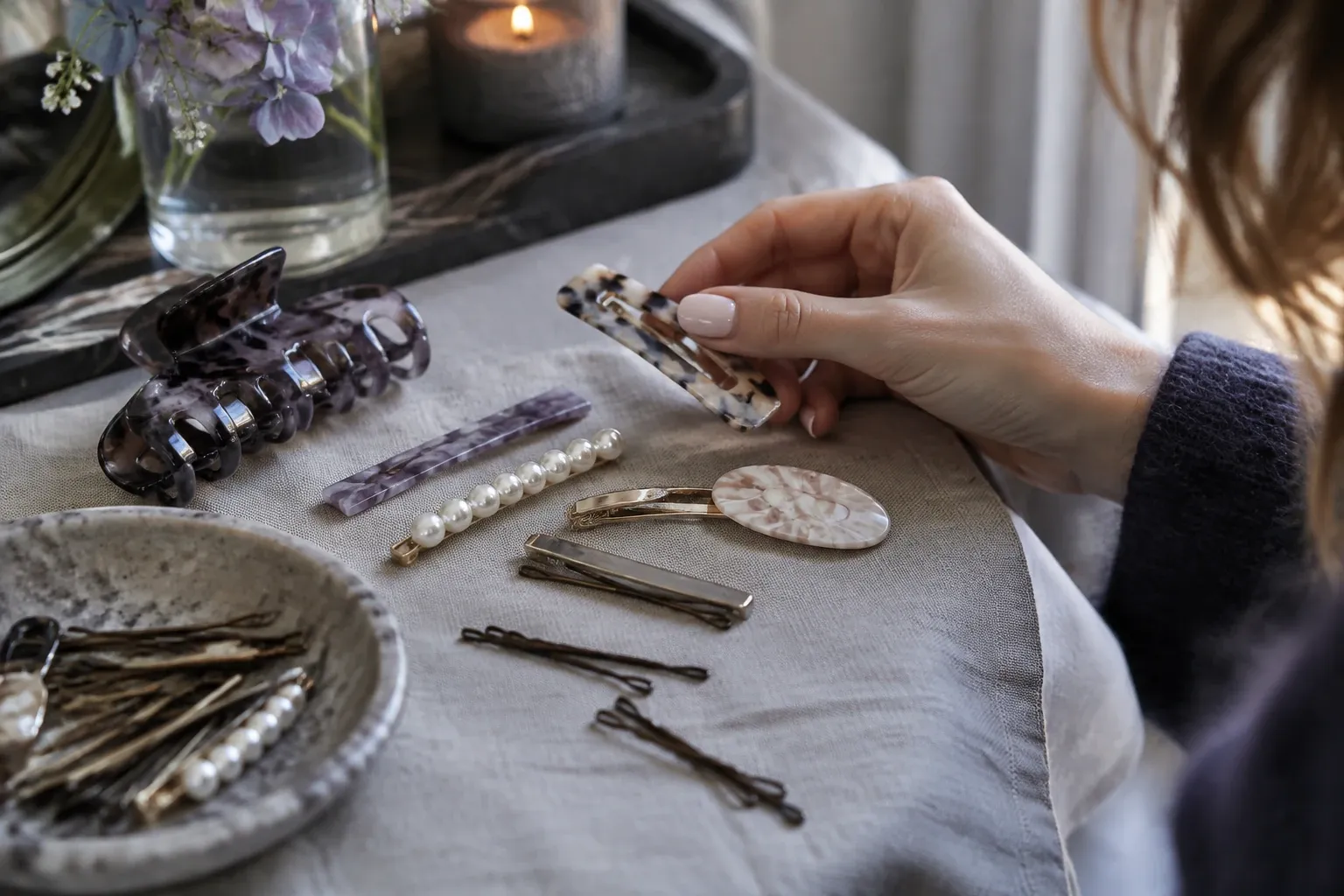
Hair rollers that suit your hair, style and routine
The right hair rollers depend on more than the curl you want: your hair length, the time you have and whether you want to use heat all matter. Match the roller and its size to your routine, then check that each section is secure before you begin.
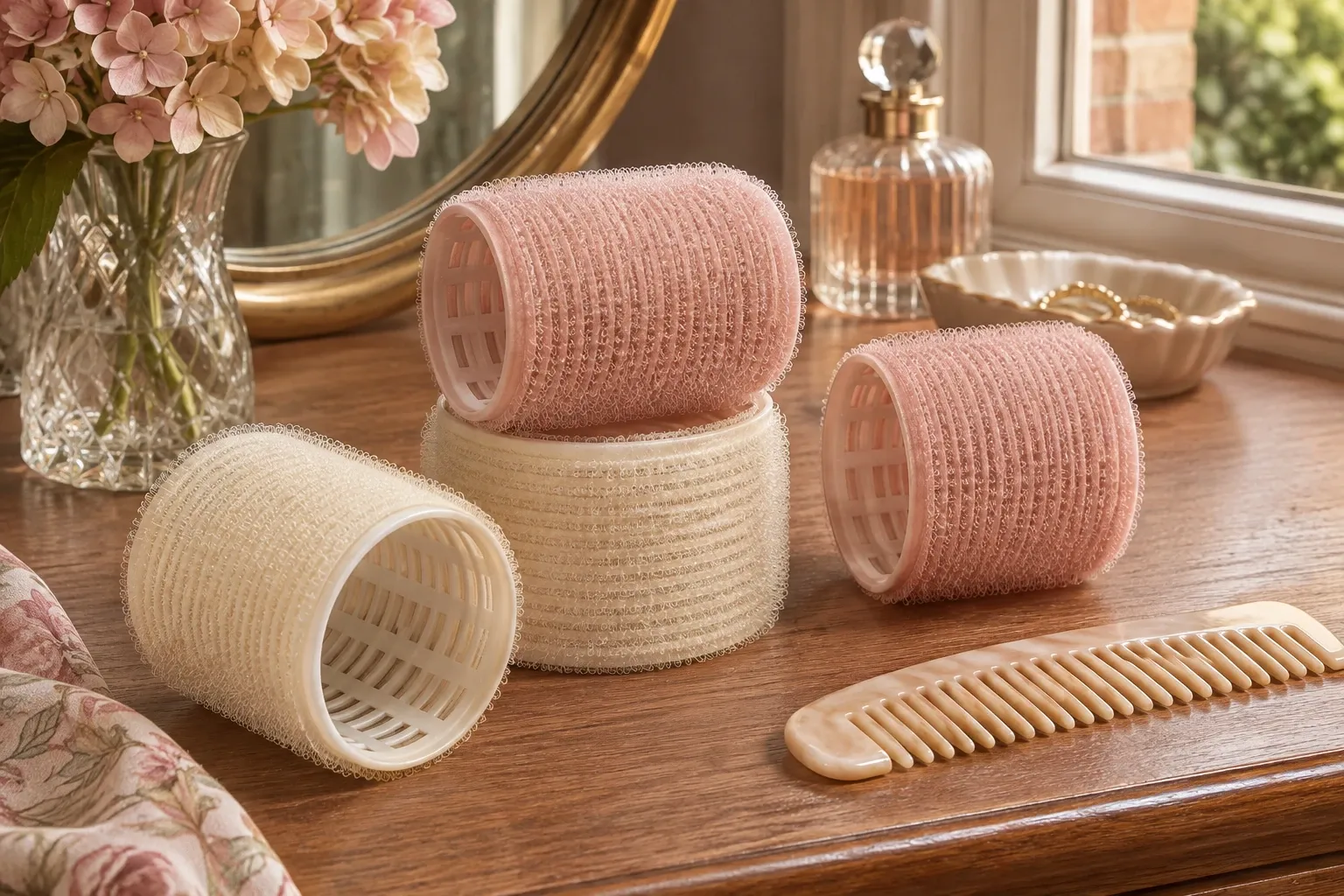
Perhaps you want a little lift at the roots, loose movement through the lengths or curls without holding a heated tool in your hand. Hair rollers can help create different shapes, but the options are not interchangeable: heated rollers use warmth, while Velcro and foam rollers rely on different ways of setting the hair. Start with the finish you want and how much time you can give it. From there, size, material and a comfortable fit make the choice more straightforward.
What result do you want from hair rollers?
Name the finish before choosing a set. Root lift and a rounded, blow-dry-style shape call for a different approach from defined curls or a softer wave. Roller diameter is one factor: a smaller roller tends to create a tighter shape than a larger one, but the section’s thickness and the length of your hair also affect how it sits. In its instructions for one specific heated set, Conair notes that curl size depends on the roller, the section and hair length; its examples include ¾-inch, 1-inch and 1¼-inch rollers. Treat those measurements as product examples, not a universal sizing chart.
Think about where you want the movement. Rollers placed near the roots can add lift, while winding only part of the length gives a bend lower down. If you want a consistent finish, use similar-sized sections and keep the hair smooth as you wrap it. If you prefer less uniformity, mixing roller sizes may create variation. Either way, the roller should be wide enough to hold the section without loose ends poking out, and the section should not be so thick that it cannot wrap evenly.
Which type fits your routine?
Heated rollers suit a routine where you want to set dry or slightly damp hair with warmth and then let the rollers cool. They need access to a suitable power socket and careful handling around the face, neck and ears. Their instructions are model-specific: for example, BaByliss’s heated-roller manual describes two heat settings, a heating period of approximately 5 minutes and three roller sizes. It advises leaving rollers in for up to 10–15 minutes depending on the desired style, and says defined curls can be left until the rollers have completely cooled. Use the instructions for your own model rather than transferring those timings to another set.
Velcro, or self-grip, rollers do not have an electric heater. They can be useful for shaping a section or adding volume, but their grip can catch hair during removal. Keep each section smooth and remove the roller slowly, unwinding it rather than pulling it straight out. If your hair tangles easily, feels fragile or has extensions, consider whether a self-gripping surface is a comfortable choice. The section on hair accessories for different needs can help you think about accessories in the context of your hair and the job you want them to do.
Foam rollers are a softer, heat-free option. They may suit a slower setting routine, including leaving the hair to dry while rolled, but the time required depends on how damp the hair is, the size of the sections and the roller design. They are not automatically comfortable for sleeping: a bulky fastener or tight winding can press against the scalp. Try the arrangement while awake first, and take rollers out if they cause discomfort.
How should you choose a size and set?
Check three practical things before buying: how many rollers the set contains, which diameters it includes and how each roller is secured. A set with several sizes offers more flexibility, but only if the rollers suit your hair length and you have enough to cover the sections you plan to style. Check whether it uses clips, pins or a self-gripping surface, and whether the fasteners are included. For a heated set, look for clear instructions on heat settings, loading, handling and cooling.
Your hair’s length and density affect how many sections you need. Long or thick hair may take more rollers than a small set contains; short hair may not wrap around a very large roller securely. For an example of how sizes can be combined, Conair’s guide for its Curls & Waves set places larger rollers at the crown and smaller ones lower down. The same manual says to remove its rollers gently rather than pulling and to let curls cool for one minute before styling. Those are instructions for that product, not universal timings. If you use a straightener for some looks and rollers for others, consider whether the two routines complement each other; choosing a straightener for your hair and budget involves a separate set of decisions.
How do you put rollers in securely?
Begin by reading the instructions for the roller type you have. Detangle gently and divide the hair into manageable sections. The section should be no wider than the roller and should wrap without bunching. Place the ends neatly against the roller, then wind evenly toward the scalp or to the point where you want the bend to begin. Keep the tension comfortable: a roller should feel secure, not tight or painful. Use the supplied fastener as directed.
For heated rollers, place the unit on a level, heatproof surface and keep hot parts away from skin. The BaByliss manual specifies a lower setting for delicate, fine or coloured hair and a higher one for thicker hair on that particular model. It also warns against contact between hot rollers and the face, neck, eyes or ears. Do not assume another brand offers the same settings or that hair thickness alone determines the right choice. If you are unsure, follow the manual’s guidance and start cautiously.
Heat-free rollers do not remove the need for care. The American Academy of Dermatology notes that excessive heat can damage hair, and recommends reducing heat styling and letting hair partly air-dry before styling when possible. Its advice is general hair-care guidance, not a roller-specific rule; the American Academy of Dermatology’s styling advice is useful context if you are deciding how often to include heated tools in your routine. Avoid winding wet hair tightly, especially if it is difficult to handle without pulling, and do not force a roller through a tangle.
How can you tell whether the set is ready?
Before taking out every roller, release one in an inconspicuous area and check the shape. If you used a heat-free roller on damp hair, the section needs to be dry before you expect it to hold its set. If you used heated rollers, follow the product instructions for how long to leave them in and whether they need to cool fully. Let the curl fall from the roller instead of tugging, then see whether it has the softness or definition you wanted.
If the result looks too tight, try a larger diameter or a broader section next time; if it is too loose, a smaller roller or narrower section may give a more defined shape. If the roots are flat, adjust where the roller begins rather than increasing tension. Make one change at a time so you can tell what affected the finish. When removing Velcro rollers, unwind patiently and use your fingers to free any caught strands. If a roller repeatedly snags or pulls, stop and try a different type rather than accepting discomfort as part of the process.
Finish only once the set is released and the hair has settled. A light touch helps preserve the shape; brushing through immediately can loosen it. If you use other styling accessories, including extensions, check that rollers and clips are not tugging at attachment points. For extension-specific handling, caring for hair extensions after styling is a separate consideration. The useful test is simple: the rollers should fit your hair, feel comfortable while worn and come out without force.
Frequently asked questions
Are hair rollers suitable for short hair?
Yes, but the roller must fit the length of the section. Smaller rollers can be easier to secure on short hair and can create a tighter curl or shape. For root lift or a softer bend, use a roller that your hair can wrap around without leaving the ends loose. Try one section first to check that the roller stays in place.
Can you sleep in hair rollers?
Soft foam rollers are generally the more comfortable option to try overnight, but comfort depends on the roller design and how firmly it is secured. Avoid rollers that press painfully against your scalp or pull at your hair. Follow the maker’s instructions, and do not assume that heated rollers or a particular set are designed for sleeping.
Should hair be wet or dry before using rollers?
It depends on the roller and its instructions. A heat-free set may be intended for damp hair that can dry while rolled, whereas the BaByliss heated-roller instructions allow damp or dry hair. Do not use a heated set on soaking-wet hair unless its own instructions specifically permit it; check the manual rather than applying one rule to every product.
Related reading
What clip‑in hair extensions can do for your hair, and how to use them well
Read more →